In an increasingly unpredictable world, is traditional home security enough to protect your loved ones and valuables? Modern families are turning to integrated, remote-controlled solutions that offer real-time monitoring and instant responses. From high-definition CCTV systems with remote access to smart locks and customizable alarms, these technologies create a cohesive, proactive defense. But do these advancements truly safeguard homes, or do they introduce new vulnerabilities such as cybersecurity threats and system malfunctions? As home security evolves, so do the risks and the opportunities for smarter, more responsive safety measures. Expert insights underscore the importance of reliable devices, regular maintenance, and layered strategies that combine technology with traditional precautions. With future innovations like AI-driven systems and autonomous patrols on the horizon, the question remains: can these high-tech solutions deliver peace of mind without compromising privacy or security? Embracing these advancements may redefine what it means to keep your family safe.
Article Contents
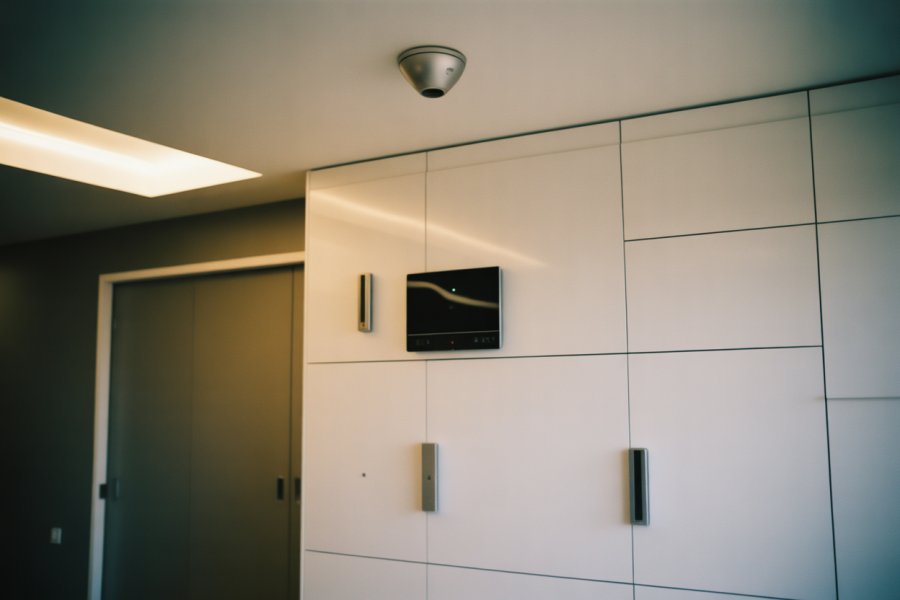
Discover How Modern Home Security Transforms Peace of Mind
In today’s busy world, home security has shifted from simple locks and alarms to smarter, more connected solutions. Families no longer rely solely on traditional methods; instead, they seek systems that can be managed remotely, offering peace of mind no matter where they are. This evolution is driven by the need for proactive protection—monitoring in real time and receiving instant alerts that help prevent problems before they escalate.
Modern threats are more complex and unpredictable, making traditional safeguards less effective. Today’s homes face risks from break-ins, accidents, and emergencies, which require a more integrated approach. Remote-controlled devices like smart cameras, automated alarms, and keyless locks connect to your smartphone or computer, enabling you to keep an eye on your property at all times. Whether you’re at work, traveling, or just running errands, you can check in, respond, or adjust your security settings instantly.
The core of this new security landscape is the interconnectedness of different systems. Cameras with high-definition footage, night vision, and motion detection provide clear views and can be accessed remotely. When paired with alarms and smart locks, these devices form a comprehensive network that responds dynamically to threats. For example, if a camera detects movement, it can trigger alarms, turn on outdoor lights, or notify authorities automatically, creating a seamless security response.
This integration not only enhances safety but also acts as a deterrent. Intruders are less likely to target a home that appears actively monitored and responds swiftly to signs of intrusion. As these technologies become more user-friendly and affordable, they are reshaping how families think about safety—turning a collection of gadgets into a smart, responsive defense system.
Understanding the shifting landscape of home security helps families make smarter choices. Relying solely on traditional methods is no longer enough to address today’s risks. Instead, adopting integrated, remote-controlled solutions offers more control, quicker responses, and greater confidence that loved ones and valuables are protected around the clock. This proactive approach is no longer a luxury but a necessity in a world where threats can emerge at any moment.
Unveiling the Key Components and Technologies Protecting Your Home
Modern home security relies on a suite of advanced components that work together seamlessly to protect your family and valuables. High-definition CCTV systems form the backbone of many setups, offering crisp, clear images along with features like night vision and motion detection. These cameras allow homeowners to monitor their property remotely, providing real-time video feeds accessible via smartphones or computers from anywhere in the world. Some models even include two-way audio, enabling you to communicate with visitors or intruders directly, which acts as both a deterrent and a control tool.
Alarm systems have become more sophisticated and customizable, designed to fit the specific needs of each household. Modern alarms incorporate sensors on doors, windows, and even glassbreak detectors, allowing for rapid detection of unauthorized entry. These systems can be remotely armed or disarmed, and many are monitored 24/7 by professional security providers, ensuring immediate response if an incident occurs. This constant oversight means your home remains protected whether you’re sleeping, at work, or away on vacation.
Smart access controls are transforming the way households manage entry. Digital locks, key fobs, and biometric scanners—like fingerprint or facial recognition—offer secure, keyless entry options. These systems make it easy to grant temporary access to visitors or service personnel while maintaining detailed logs of every entry and exit. When integrated with other smart home devices, they enable automation—such as unlocking doors upon arrival or automatically locking up at set times—adding convenience without sacrificing security.
This perspective is expanded in Lawson Zimmerman‘s article Experience the Future of Home Security with Smart, Integrated Solutions on Pentego.
The power of a truly effective security system lies in its ability to connect these elements into a cohesive network. When integrated through a home automation platform, a motion detected by a camera can trigger outdoor lights, activate alarms, or notify authorities instantly. Conversely, remotely locking or unlocking doors can prompt cameras to record or send alerts, creating a dynamic, responsive security environment. This interconnected approach ensures a swift, coordinated response to any threat.
Such integration not only enhances safety but also acts as a powerful deterrent to intruders. Visible cameras and active alerts signal that a home is actively monitored, making it a less attractive target. The ability to respond quickly—whether by alerting authorities or locking down areas—significantly reduces the risk of incidents escalating. As these technologies become more accessible and user-friendly, they are reshaping the standard for what home security can and should be.
Understanding these core components—CCTV, alarms, and access controls—helps homeowners make informed decisions about their security setups. Choosing reliable, compatible devices and maintaining them properly is essential to building a resilient defense. When combined thoughtfully, these technologies create a flexible, scalable system that adapts to your evolving needs, offering peace of mind in today’s unpredictable environment.
Enhance Your Home Security with F.I.S.T Security in Markham, Ontario
F.I.S.T Security is a proud Canadian owned and operated business serving the Markham Ontario community. With a reputation built on trust and excellence, FIST Security offers comprehensive security solutions including intruder detection, card access, CCTV, intercoms, alarm monitoring, remote video monitoring, lighting, and environmental control. Our team goes the extra mile to meet your specific needs, ensuring your home or business is protected with the latest technology. Whether you’re looking to upgrade your security system or integrate home automation, F.I.S.T Security has the expertise to deliver tailored solutions that enhance safety and convenience. Contact us today at 416.755.4233 or email [email protected] to learn more about our services and how we can help safeguard your property.
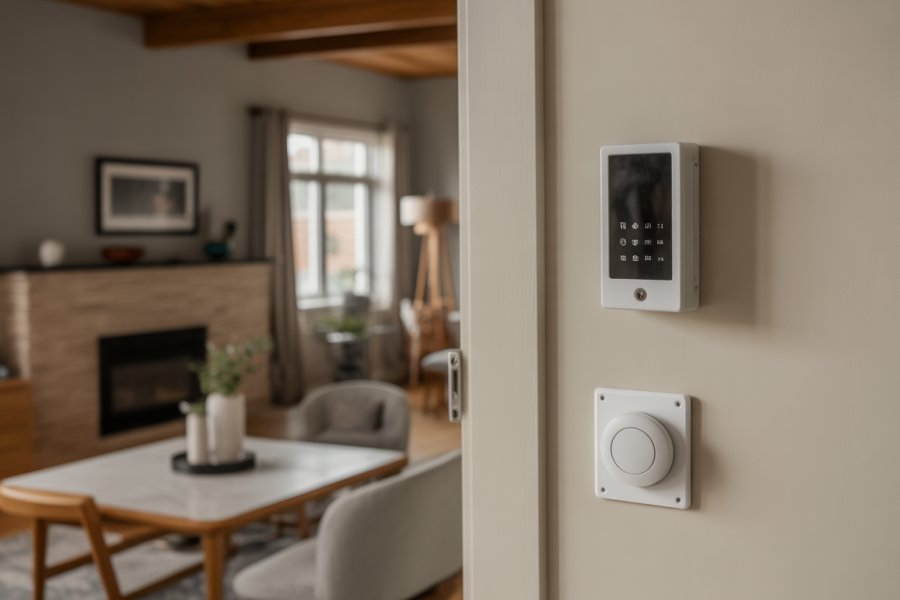
Weighing the Benefits and Challenges of Remote-Controlled Security Systems
Remote-controlled security systems offer undeniable advantages, especially in our hyper-connected world. They enable homeowners to monitor their property in real time, receive instant alerts, and adjust security settings from anywhere—whether at work, on vacation, or running errands. When functioning smoothly, these systems act as powerful deterrents, making it clear that active surveillance and quick responses are in place, which can discourage potential intruders before they even attempt to break in. For busy families, this level of control provides peace of mind, knowing they can keep a watchful eye on loved ones and valuables at all times.
However, depending solely on remote solutions isn’t without its challenges. Technical issues such as internet outages or device malfunctions can temporarily disable access or leave gaps in security, exposing homes to risk during critical moments. These gaps highlight the importance of backup plans, like traditional locks or neighborhood watch routines, to reinforce overall safety. Connectivity problems can also cause false alarms or delays, leading to unnecessary stress or missed responses. Managing these systems requires ongoing attention to ensure they remain reliable and effective.
Cybersecurity remains a significant concern. As homes become more connected, hackers can exploit vulnerabilities if security measures aren’t robust. Unauthorized access to cameras or alarms can allow intruders to disable or manipulate security features remotely, undermining the very protection they’re meant to provide. Strong passwords, regular firmware updates, and encrypted data are essential to defend against cyber threats. Failing to implement these safeguards can turn a helpful tool into a vulnerability, putting your household at risk.
Privacy issues also come into play. Constant surveillance and data sharing, while convenient, raise concerns about data breaches and unauthorized use of personal information. Homeowners must be vigilant about choosing systems with reputable security protocols and controlling who has access to their data. Striking the right balance between safety and privacy is key to ensuring remote-controlled systems serve their protective purpose without creating new risks.
Technology’s rapid evolution introduces new vulnerabilities and complexities. Software glitches, false alarms, or compatibility issues between devices can interfere with system performance. Regular maintenance, updates, and testing are crucial to catching these problems early and maintaining a secure environment. Over-reliance on automation may also lead some to neglect basic safety habits like manual locks or neighborhood vigilance, which remain vital layers of protection.
Despite these limitations, remote-controlled security systems significantly enhance household safety when paired with good cybersecurity practices and regular upkeep. They enable faster responses, better control, and peace of mind but should never replace fundamental safety routines or community engagement. Combining technology with traditional measures creates a layered approach that adapts to different situations and potential vulnerabilities.
In the end, staying informed and proactive is essential. Keep firmware updated, use strong passwords, and regularly review system logs. Understand that no system is infallible; the key is a balanced approach that leverages modern technology without neglecting everyday safety habits. When integrated thoughtfully into a comprehensive security plan, remote-controlled solutions become powerful tools—helping families stay protected in an unpredictable and evolving world.
Expert Insights and Best Practices for Effective Home Security Deployment
Deploying effective remote-controlled home security starts with understanding your household’s unique needs. Security professionals emphasize choosing reliable, well-reviewed devices that integrate smoothly to avoid technical hiccups. A cohesive system reduces the chances of glitches that could compromise safety, so investing in quality components is key. Regular maintenance, including software updates and system checks, keeps everything running smoothly over time. Scheduling routine tests ensures any issues are caught early, maintaining your system’s reliability when it matters most.
Combining technology with good safety habits is essential. Strong, unique passwords and a secure Wi-Fi network form the foundation of your security. Changing default passwords immediately and enabling two-factor authentication where possible significantly tighten your defenses. Monitoring access logs and permissions regularly helps prevent unauthorized use, especially if multiple people have remote access. These small but consistent practices build a more resilient security posture and make hacking or data breaches less likely.
Professional monitoring services add a crucial layer of protection. Trained operators at monitoring stations can evaluate alarms in real time, determine their severity, and coordinate quick responses by contacting emergency services or alerting you directly. This human oversight complements automated features, ensuring that emergencies are assessed promptly and accurately. Many experts agree that integrating professional monitoring enhances your chances of swift, effective action during a crisis, making it a smart investment.
Staying informed about emerging threats and new technologies is vital. Cybercriminals continually develop new tactics, so keeping your firmware and security patches up to date is non-negotiable. Familiarize yourself with industry innovations like AI-driven surveillance and predictive analytics, which can help you adopt proactive defenses. Attending security workshops or consulting with professionals periodically ensures your setup evolves alongside potential risks, maintaining your home’s safety against sophisticated threats.
Maintaining a balanced approach means combining advanced remote systems with traditional safety measures. Relying solely on technology leaves gaps, especially during connectivity issues or system failures. Simple habits like manually locking doors and staying vigilant in your neighborhood remain vital. This layered strategy creates a more resilient defense, allowing your home to adapt to different situations and vulnerabilities, and provides peace of mind knowing all bases are covered.
Ongoing education plays a critical role. Homeowners should understand how their devices work and stay current on best practices for cybersecurity and system management. Many trusted providers offer training and support resources to help maximize system effectiveness. Staying engaged ensures you can troubleshoot issues quickly and make informed updates, keeping your security system reliable and capable of protecting your family in an ever-changing landscape.
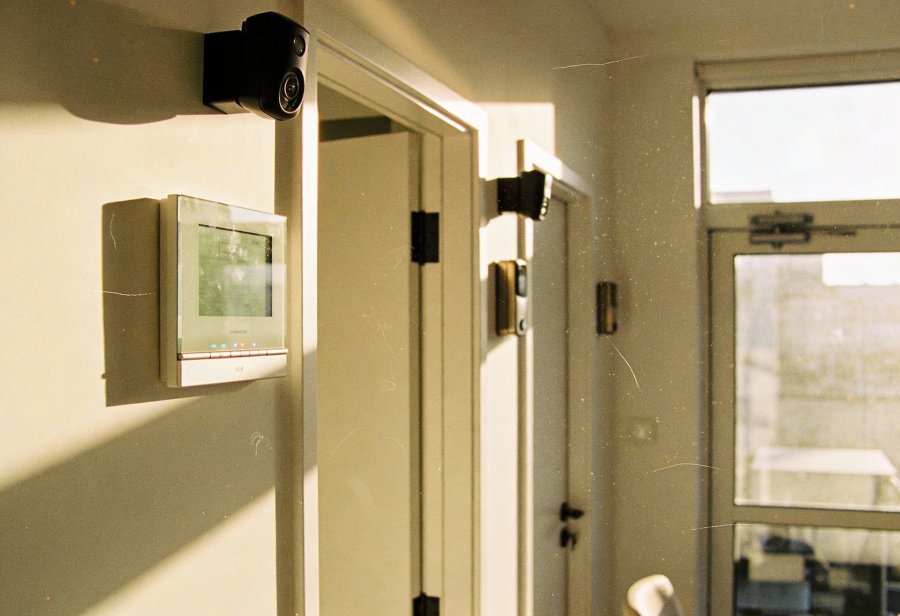
Looking Ahead: The Future of Smart, Proactive Home Security
As technology continues to advance at a rapid pace, the future of home security promises to be more intelligent, proactive, and seamlessly integrated than ever before. AI-driven systems will learn household routines, recognize familiar faces, and identify suspicious behaviors before any incident occurs, shifting the focus from reactive responses to preventative measures. This evolution means families can expect fewer emergencies and greater peace of mind, with security not just responding to threats but actively working to prevent them.
Emerging innovations like autonomous security drones and robotic patrols are on the horizon, capable of monitoring hard-to-reach areas and responding swiftly to unusual activity. Coupled with faster, more reliable 5G networks, remote monitoring will become virtually instantaneous, providing real-time video feeds and alerts even in complex environments. These advancements will make security systems more resilient, allowing homeowners to stay connected and in control no matter where they are.
As these technologies become more accessible and user-friendly, their adoption will grow across diverse households, transforming everyday homes into smart, responsive environments. Simplified setup processes and intuitive interfaces will encourage wider use, helping families customize their security solutions to fit their unique needs and lifestyles. This democratization of smart security will not only elevate individual safety but also contribute to safer neighborhoods and communities.
However, with these advancements come new challenges, especially in cybersecurity. More connected devices mean increased risks of hacking and data breaches, making robust security protocols and regular updates essential. Ensuring privacy remains a key concern, as the line between surveillance and personal freedom continues to be navigated carefully. Staying ahead of potential threats requires ongoing vigilance, proactive cybersecurity practices, and a commitment to informed system management.
Looking ahead, the integration of smarter, more connected, and predictive security solutions will redefine what it means to protect a home. Families will have the tools to anticipate risks, respond faster, and enjoy a level of safety that adapts to the complexities of modern life. Embracing these innovations now sets the stage for homes that are not just safer but smarter—environments where peace of mind is built into the very fabric of everyday living.