The Dodge Charger is more than just a muscle car; it’s a storied symbol of American rebellion, raw power, and unbridled spirit. From its late-‘60s roots to its cutting-edge modern incarnations, each generation embodies a relentless pursuit of dominance on the road. Its aggressive design, thunderous engines, and primal roar evoke an instinctual desire to break free and challenge norms. But what truly ignites the road’s primal instincts? Is it the vintage HEMI’s legendary growl or the supercharged fury of today’s high-performance variants? This vehicle’s enduring legacy lies in its ability to awaken innate instincts of strength and independence, making every drive a statement of rebellion. As technology advances and the landscape evolves, the Charger remains rooted in its rebellious soul—an icon that continues to stir the wild, untamed spirit within us all.
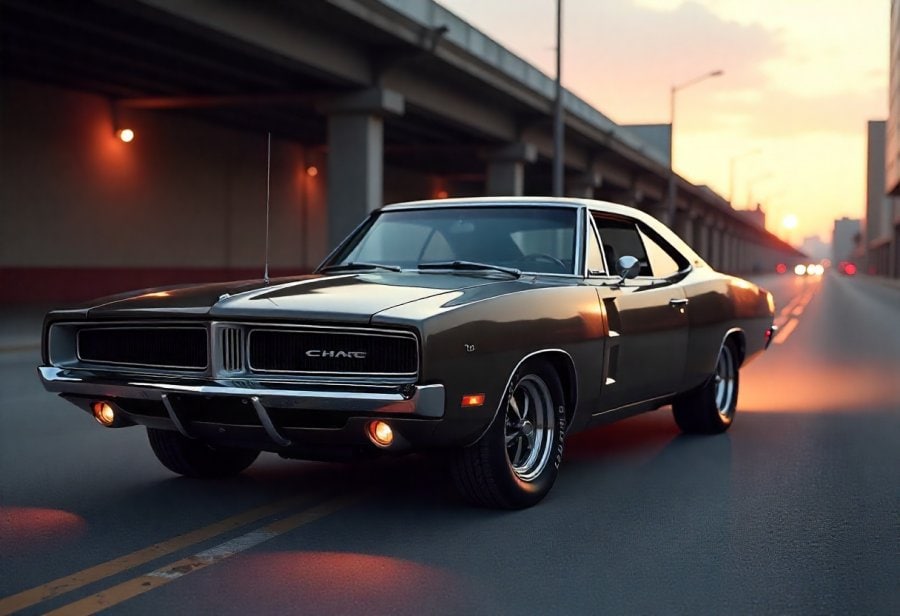
Unleashing American Rebellion: The Dodge Charger’s Primal Power and Iconic Legacy
Few cars in American history have captured the raw spirit of horsepower quite like the Dodge Charger. From its origins in the late 1960s, it quickly became more than just a means of transportation—it’s a symbol of rebellion, power, and street-smart attitude. Its bold, aggressive design and thunderous engine notes evoke a primal response, inspiring a desire to dominate the road and challenge expectations. Over the decades, the Charger’s reputation as a muscle car icon has only grown, solidifying its place as a true American legend.
What sets the Dodge Charger apart is its ability to embody both muscular performance and attitude. It’s a vehicle built for those who want to make a statement, whether tearing up streets in its classic form or roaring into the modern era with cutting-edge technology. Its aggressive stance and distinctive silhouette speak to a deep-seated need for dominance—a visceral urge to be in control. The roar of its engine isn’t just noise; it’s a declaration of untamed energy and freedom.
The Charger’s story is rooted in a rebellious spirit that emerged during the muscle car craze of the late 1960s. Introduced as Dodge’s bold answer to the rising demand for high-performance vehicles, it swiftly gained recognition for its powerful engine options and eye-catching design. The 1969 Charger R/T, with its sleek fastback shape and legendary HEMI engine, became a street racing icon—synonymous with speed, attitude, and defiance. Dodge aimed to create more than a car; they crafted a statement piece that embodied the rebellious, gritty soul of American muscle.
Throughout its history, the Charger has evolved through various generations, each pushing the boundaries of style and engineering. The oil crises and safety regulations of the 1970s slowed muscle car development, but the Charger’s legacy endured through aftermarket tuning and racing communities. Its revival in the early 2000s, blending vintage aesthetics with modern technology, reintroduced the muscle car’s primal appeal to a new generation. Today’s models continue to symbolize raw power, comfort, and street racing dominance.
The Charger’s enduring appeal lies in its ability to connect with something primal within us. It awakens feelings of strength, rebellion, and freedom—emotions that transcend mere performance specs. Every growl and roar reminds us that this isn’t just a machine; it’s a living expression of independence. The Charger invites drivers to unleash their untamed side, making every drive an act of rebellion against conformity. It’s more than a car—it’s a declaration of raw, unfiltered American muscle.
From Bold Beginnings to Enduring Legend: The Evolution of the Dodge Charger
The story of the Dodge Charger begins in the late 1960s, a time when muscle cars were taking over American roads and capturing the imagination of car enthusiasts everywhere. Launched in 1966, the Charger was Dodge’s bold answer to a growing demand for high-performance, eye-catching vehicles. Its sleek, fastback design and muscular stance made it an instant standout, appealing to those seeking more than just transportation—they wanted a statement piece. Early models boasted a range of powerful engines, including the legendary 426 HEMI, which earned the Charger a reputation as a street racing icon.
As the years progressed, the Charger evolved through multiple generations, each pushing the limits of style and engineering. The 1969 Charger R/T, with its distinctive fastback shape and thunderous HEMI engine, became a symbol of muscle car rebellion. Its aggressive lines and raw power made it a favorite among street racers and enthusiasts, embodying the spirit of American muscle. Dodge aimed to craft more than just a car; they created a machine that reflected attitude and dominance on the street.
The 1970s brought significant challenges. The oil crisis and stricter safety and emissions regulations slowed performance development, leading to a dip in the Charger’s popularity. Despite this, the model’s legacy remained strong, kept alive by aftermarket tuning and racing communities. During this period, the Charger became an enduring symbol of rebellion, even if it was less prominent in showrooms.
Fast forward to the early 2000s, when Dodge revived the Charger as part of a broader muscle car comeback. The new models paid homage to their vintage roots while integrating modern technology—improving safety, comfort, and performance. This rebirth introduced a new generation to the Charger’s raw appeal, blending classic muscle car aesthetics with contemporary engineering. The modern Charger quickly regained its status as a street racing beast, appealing to a wider audience.
Technological advances have continuously kept the Charger relevant. Early versions relied on big V8 engines and bold styling, but today’s models feature lightweight materials, aerodynamics, and advanced electronics. Engines like the supercharged 6.2-liter HEMI in the Hellcat variants push horsepower into supercar territory, reaffirming its place at the top of the muscle car hierarchy. This seamless blend of raw power and modern innovation ensures the Charger’s legacy endures.
Throughout its history, the Charger has maintained its core identity: a symbol of raw performance and rebellious attitude. Its design still echoes its roots with muscular lines and aggressive styling, while new features enhance its street presence. Despite changing automotive trends, the Charger’s spirit remains rooted in its primal, untamed energy, making it a true icon of American muscle.
The evolution of the Dodge Charger reflects more than technological progress—it captures the essence of rebellion that defines muscle cars. From the roaring engines of its early days to the high-tech powerhouses of today, each iteration reinforces its role as a street racing legend. The Charger’s story is one of resilience, constantly adapting while staying true to its roots as a symbol of freedom, power, and defiance.
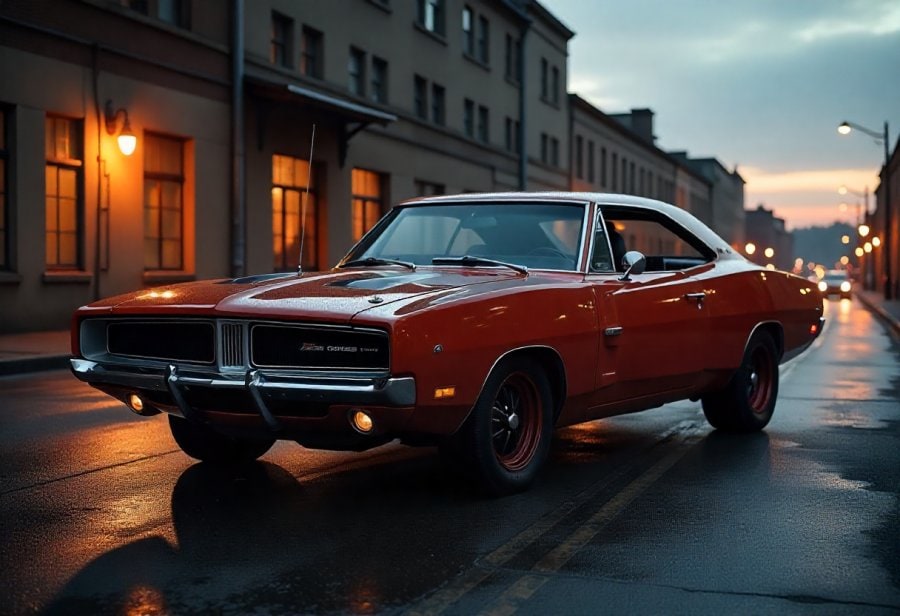
The Modern Muscle Revival: How the Dodge Charger Dominates Today’s High-Performance Scene
Today’s high-performance car scene is experiencing a noticeable revival, and the Dodge Charger remains at its forefront. Modern versions are no longer just muscle cars—they’re sophisticated machines packed with cutting-edge technology that enhances performance while preserving their primal appeal. Features like adaptive suspension, aerodynamics tuned for both street and track, and advanced electronics make these cars a perfect blend of raw power and modern engineering. This evolution keeps the Charger relevant and desirable among new generations of enthusiasts who crave both performance and innovation.
The latest models, such as the SRT Hellcat and Redeye, push horsepower figures into supercar territory. With supercharged 6.2-liter HEMI V8 engines delivering over 700 horsepower, they roar with the same primal energy that made the Charger a legend. This brute strength, combined with refined handling and technological finesse, allows drivers to experience street racing beast capabilities in a more controlled and accessible package. It’s this balance of raw power and modern tech that cements the Charger’s status as an icon of American muscle.
Inside, today’s Chargers focus heavily on driver experience, featuring advanced infotainment systems, customizable displays, and safety tech that make high-performance driving safer and more comfortable. These elements enable drivers to fine-tune their experience, whether on city streets or racing tracks, without sacrificing the visceral connection to the car’s roots. The result is a vehicle that’s as suitable for everyday driving as it is for unleashing street-racing fury, appealing to those who want power with practicality.
Despite all the technological enhancements, the Charger’s core appeal remains rooted in its street racing DNA. The deep growl of its V8 engine, especially in supercharged variants, is a visceral reminder of its primal road power. Accelerating from zero to high speeds unleashes a force that awakens instincts to dominate, making every drive feel like a bold act of rebellion. This raw, unfiltered experience continues to define the modern Charger as more than just a car—it’s a street racing beast that awakens the primal road warrior in all of us.
Design-wise, the modern Charger preserves its muscular silhouette, drawing heavily from its classic roots. Its aggressive stance and bold lines are now complemented by aerodynamic features that improve handling at high speeds. While the bodywork has evolved, the essence remains: a vehicle built for both raw power and commanding presence. This continuity in design ensures that the Charger’s legendary status endures among muscle car fans and newcomers alike.
Looking ahead, the future of the Charger faces challenges like stricter emissions standards and a push toward electrification. Still, the passion for raw performance and street racing spirit runs deep. Manufacturers are exploring hybrid and electric options that aim to preserve the Charger’s rebellious core while embracing greener technologies. No matter the powertrain, the essence of untamed energy and primal road power is likely to remain central. The Charger’s ability to adapt while staying true to its roots keeps it firmly planted as a symbol of American muscle’s resilience and enduring appeal.
Awakening the Wild Within: The Primal Spirit That Defines the Dodge Charger
The primal allure of the Dodge Charger goes far beyond its sleek lines or impressive horsepower figures—it embodies the raw, untamed essence of American muscle. This isn’t just a car; it’s a living symbol of rebellion and freedom, designed to stir instinctual responses and awaken deep-seated desires for power. The thunderous growl of its V8 engine, especially in supercharged variants, resonates like a beast waking from slumber, demanding attention and respect. That roar isn’t just noise; it’s a visceral reminder of unrestrained energy that refuses to be tamed.
Driving a Charger feels like connecting with a fundamental urge to push boundaries and dominate the environment. Its muscular silhouette, broad stance, and aggressive design evoke feelings of strength and defiance. When you press the accelerator, the surge of raw power feels primal—like unleashing a force that has been waiting beneath the surface. Every rev and burst of speed becomes an act of rebellion, a declaration that control and freedom are intertwined.
The Charger’s design and engineering tap into a deep craving for independence. Its bold presence on the street is more than just aesthetic—it’s a rallying cry for those who see driving as an act of resistance. The engine’s growl, fierce and unmistakable, symbolizes a refusal to conform, fueling a primal energy that resonates with street racers and muscle car enthusiasts alike. Its commanding silhouette and unmistakable sound evoke a sense of dominance, awakening instincts that lie at the core of American car culture.
At its heart, the Charger embodies a rebellious attitude rooted in a proud tradition of street racing and muscle car legacy. Its engine note is more than a sound—it’s a call to action, a reminder of an era when raw power and risk-taking defined the roads. The connection to nature’s fiercest predators is palpable in every growl and roar, reinforcing its status as a force of nature rather than merely a machine. This primal energy makes every drive feel like an act of liberation.
The cultural significance of the Charger amplifies its primal appeal. Featured in movies, music, and racing legends, it stands as an icon of resistance and independence. Its presence on the street and screen is a testament to its role as more than just transportation—it’s an extension of the untamed American spirit. Every silhouette, every soundbite, reinforces the idea that this car is an expression of freedom, rebellion, and raw power.
What makes the Dodge Charger truly compelling is its ability to awaken these primal instincts in anyone behind the wheel. It stirs a desire for dominance, control, and liberation that runs deep within us. As the engine roars and the road stretches ahead, drivers tap into a fundamental part of human nature—unleashing their inner wildness and embracing the rebellious energy that defines muscle cars. The Charger doesn’t just move on the road; it awakens the fierce spirit of freedom that lives in all of us.
In the end, the Charger’s primal appeal is undeniable. It’s more than a vehicle—it’s a symbol of unfiltered strength and rebellion. Its presence commands respect, and its roar stirs something primal within every driver. This car invites us to embrace our untamed side, to challenge norms, and to celebrate the raw, unrestrained energy that makes American muscle cars legendary. The Dodge Charger remains a fierce reminder that true power comes from embracing the wild, rebellious core of our nature.

A Testament to Power and Rebellion: The Enduring Legacy of the Dodge Charger
The Dodge Charger stands as a powerful symbol of raw American muscle and rebellious spirit. Its thunderous roar and aggressive stance go beyond mere performance—they evoke a primal urge to dominate the road and challenge norms. This car isn’t just about speed; it’s a living declaration of freedom and defiance, rooted in a tradition of resistance and individuality. Its enduring legacy reminds us that muscle cars are more than machines—they embody a cultural statement of independence and strength.
Since its debut in the 1960s, the Charger has continually pushed the boundaries of design and engineering, blending heritage with innovation. Each generation reflects a relentless pursuit of raw power, ensuring its status as a street racing icon remains intact. Its evolution mirrors a deep connection to the rebellious roots of American muscle, evolving with technology without losing its primal edge. The Charger’s story is one of resilience, embodying the unyielding spirit that keeps it relevant across eras.
What truly sets the Charger apart is its ability to awaken primal instincts. The deep growl of its engine, the commanding silhouette—these elements stir feelings of dominance and liberation. Driving this machine feels like unleashing a force that refuses to be tamed, a visceral reminder that true power lies in unfiltered energy and attitude. It’s an experience that taps into our deepest desires to break free, push limits, and express our independence.
Beyond its technical prowess, the Charger’s cultural impact elevates it to mythic status. Featured in movies, music, and racing legends, it symbolizes more than just transportation—it’s a rebellious icon that inspires a sense of freedom and resistance. Every roar and silhouette reinforces its role as an extension of the untamed American spirit, igniting a sense of wildness that refuses to be subdued.
In the end, the Dodge Charger embodies the core of American muscle and rebellion. It’s a reminder that raw power, attitude, and a fierce desire for freedom are what define true strength. As it continues to evolve, the Charger remains a beacon for those who seek to unleash their primal instincts and live boldly. Its legacy endures because it’s more than a car—it’s a symbol of the unbreakable, rebellious energy that fuels the American identity.

