Learning to ride a bike is a universal rite of passage that encapsulates courage, persistence, and the unbreakable bonds of family. It’s a journey filled with wobbling beginnings, falls, and triumphant moments that teach children resilience and independence. But does the fear of falling outweigh the thrill of discovery? This compelling narrative explores how support, patience, and encouragement transform anxiety into confidence, turning setbacks into stepping stones. Through vivid scenes of families guiding children on safe, grassy terrains, it reveals that the true lesson isn’t just about balance but about embracing mistakes as part of growth. With expert insights emphasizing emotional readiness and gradual milestones, readers are invited to consider whether the greatest achievement in riding is staying upright or learning to fall forward with grace. Ultimately, this story reminds us that every wobble paves the way for lifelong resilience, adventure, and joy.
The Joy and Significance of Learning to Ride: A Family Milestone
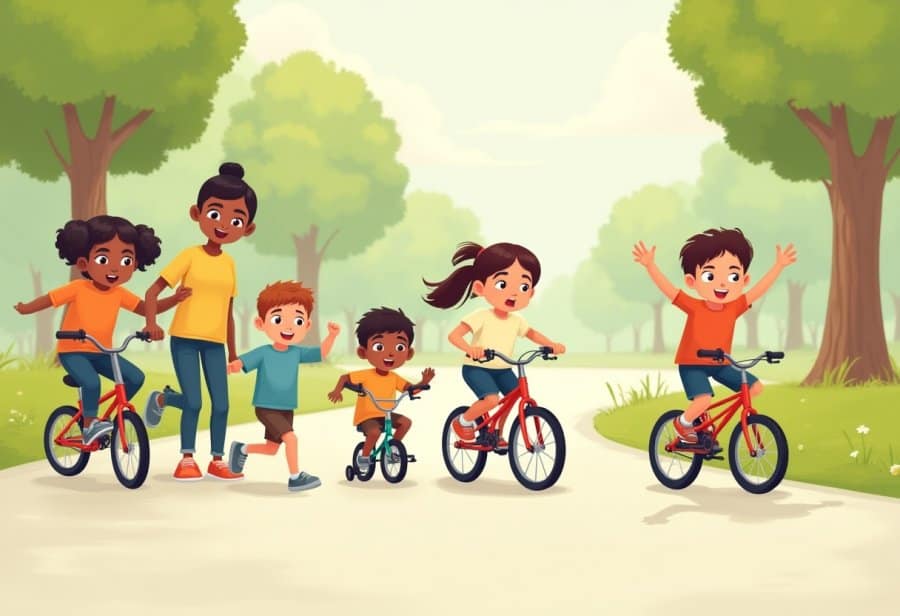
Learning to ride a bike is more than just a childhood milestone; it’s a moment packed with emotion and significance for families. From the nervous wobbling of small legs to the triumphant, solo rides, these experiences become lasting memories that symbolize trust, courage, and independence. Watching a child push past their fears to find their balance can be both nerve-wracking and incredibly rewarding. It’s a shared journey where parents and kids come together, offering support and encouragement every step of the way.
These early lessons extend beyond physical skill—they foster family bonds that grow stronger through patience and teamwork. Whether it’s holding the seat steady or cheering from the sidelines, families create a collective sense of achievement. Each wobble and fall becomes part of a larger story of perseverance, resilience, and joy. Children learn that setbacks are natural, and that with support, they can overcome almost anything, building confidence that will serve them well long after they master riding.
The process of learning to ride also introduces children to a fundamental lesson: that courage involves facing fears and trying again. The first time they pedal without help, there’s a mix of excitement and nervousness. Every effort, every wobble, and every stumble teaches them that falling is just part of learning, not a failure. As they gradually gain control, they discover a sense of independence that opens new doors for exploration and adventure. This feeling of freedom becomes a powerful motivator, fueling their confidence and desire to keep trying.
In this journey, family support is crucial. From choosing the right bike to celebrating small successes, every moment of encouragement helps children see themselves as capable. Supporting a child through their wobbling attempts and inevitable tumbles reassures them that mistakes are part of growth. Creating a safe environment—flat, grassy areas and protective gear—reduces anxiety and helps kids feel confident enough to try again. With patience and consistent support, that initial fear transforms into genuine joy and a love for riding.
Learning to ride is also about teaching resilience. Each wobble, fall, and recovery becomes a lesson in persistence. Children learn that setbacks aren’t failures but stepping stones toward mastery. Over time, these small victories build their confidence and independence. They come to understand that courage isn’t the absence of fear, but the willingness to face it and keep going despite it. Those early rides become a foundation for lifelong resilience and a sense of adventure.
Mastering Balance and Coordination: Navigating the Stages of Learning
Learning to ride a bike involves several key stages that can be both challenging and rewarding for children. Most kids start with a balance bike or training wheels to get comfortable with staying upright, focusing mainly on developing a sense of balance. During this phase, wobbling and stumbling are common, but they are natural steps toward mastering stability. Repeated practice helps build motor skills and confidence, setting the foundation for more advanced riding.
Parents and caregivers play an essential role in guiding their children through these early steps. Using a properly fitted bike or balance bike makes learning smoother, while support from an adult—such as holding the seat lightly or running alongside—encourages independence without risking safety. As children gain confidence, support is gradually phased out, allowing them to pedal and steer on their own. This gradual transition boosts their sense of control and self-trust.
The moment a child pedals independently marks a major milestone. After hours of gentle coaching and encouragement, that first successful ride sparks a feeling of pride and achievement. It’s a clear sign that they’ve developed the balance and coordination needed to move forward. This breakthrough often fuels their motivation to keep practicing and exploring their newfound freedom.
Falling and wobbling are inevitable parts of the process, but they shouldn’t be viewed as setbacks. Instead, they serve as valuable learning moments that teach resilience. Creating a safe environment—flat, grassy areas with protective gear—helps children feel secure enough to take risks. When kids understand that falling is normal, their anxiety decreases, and they become more willing to try again.
Patience remains crucial. Every child learns at their own pace, and rushing can cause frustration or discourage progress. Celebrating small successes, like a steady pedal or a short, smooth ride, reinforces positive feelings and motivates continued effort. Encouragement and praise help children see their efforts as worthwhile, fostering perseverance.
Building confidence also involves teaching kids that mistakes are part of growth. When they wobble or fall, adults can remind them that these moments are temporary and part of the journey. Over time, repeated successes and setbacks strengthen their resilience, making them more eager to practice and improve.
Ultimately, learning to ride a bike is about more than just physical skills. It’s a process that shapes a child’s mindset—instilling persistence, patience, and trust in their abilities. When children experience both the wobbling and the triumphs, they develop a deeper understanding that growth comes through effort and perseverance.
Effective Strategies and Tips for Successful Bike Learning
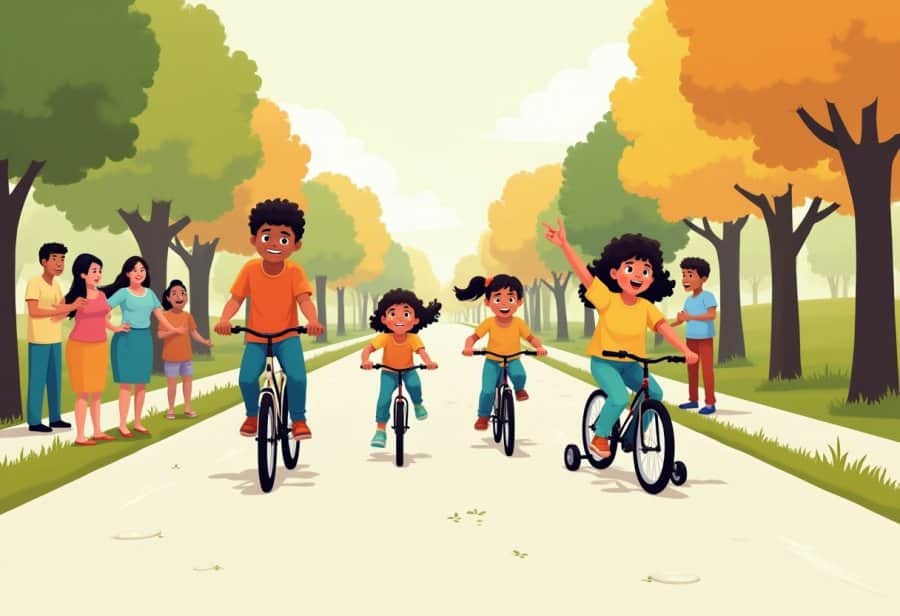
Teaching kids to ride a bike successfully hinges on choosing the right equipment and creating a supportive environment. Starting with a bike that fits comfortably is essential; an ill-fitting bike can make the process frustrating and discourage progress. Balance bikes or bikes with adjustable training wheels help children focus on developing stability before moving on to pedaling and steering. These tools serve as stepping stones, making each small success more attainable and building confidence gradually.
Support should be introduced gently and in manageable steps. Parents can hold the bike lightly or run alongside, encouraging their child to pedal and steer on their own. Gradually reducing support as confidence grows fosters independence and trust. Celebrating small milestones along the way keeps the experience fun and motivating, turning practice into a positive adventure rather than a chore.
Clear, simple instructions make a big difference. Demonstrating correct posture—sitting upright, looking ahead—and proper techniques give children a clear model to imitate. Visual cues, like showing how to steer or balance, help them understand the mechanics of riding. Watching calm, confident riders—whether parents or instructors—reassures kids and reduces fears about falling or losing control.
Sharing stories of other children overcoming wobbling or falling can inspire perseverance. Hearing about sibling or friend successes normalizes the challenges and highlights that setbacks are part of the learning process. Positive reinforcement, such as praise or small rewards, keeps motivation high and makes each practice session rewarding.
Creating a safe, obstacle-free space is key. Flat, grassy areas provide a forgiving surface where children can wobble and fall without serious injury. Equipping kids with protective gear like helmets, knee pads, and elbow pads adds reassurance. When children feel protected, they’re more willing to take risks and try new techniques, which accelerates learning.
Patience is crucial. Every child learns at their own pace, and rushing can cause frustration or heighten fears. Instead, offering gentle encouragement and celebrating progress—even small steps—helps maintain motivation. Recognizing that mistakes are part of growth allows children to stay relaxed and persistent, fostering resilience.
Finally, fostering a positive, relaxed atmosphere transforms learning into a fun experience. Avoid pressure, keep expectations realistic, and focus on progress rather than perfection. When kids feel supported and confident, they’re more likely to embrace the challenges of learning to ride, turning each wobble into a step toward independence and joy.
Expert Insights: Building Confidence and Resilience in Young Riders
Professional insights highlight that teaching a child to ride a bike goes beyond mastering physical mechanics; it’s equally about nurturing emotional readiness. Cycling instructors emphasize patience and positive reinforcement, encouraging parents to view wobbling and falls as natural steps rather than setbacks. When children see mistakes as part of the process, they develop resilience and a growth mindset that makes tackling new challenges less intimidating.
Child psychologists stress that building self-trust is crucial during this phase. When kids understand that falling is normal and part of learning, their anxiety diminishes, and their willingness to try increases. Reassuring them gently and framing falls as opportunities to learn helps foster confidence, making setbacks feel less like failures and more like progress. This mindset encourages children to persist through wobbling and wobbling, turning frustration into motivation.
Experts often recommend breaking down the learning journey into manageable milestones. Focusing first on balance, then pedaling, and finally steering provides clear targets, giving children a sense of steady progress. Celebrating these small wins keeps motivation high and the experience positive, reducing the risk of overwhelm. Consistent support combined with this incremental approach helps children develop confidence at a comfortable, encouraging pace.
Modeling confident, smooth riding is another powerful tool professionals suggest. When adults demonstrate proper posture and controlled movements, children tend to imitate these behaviors. Seeing a parent or instructor riding with calmness reassures kids that riding can be safe and achievable, easing fears of falling or losing control. These visual cues build trust and inspire a more relaxed attitude toward learning.
Stories from families and instructors reinforce that overcoming bike fears involves more than physical skill—it’s about emotional resilience. For example, a parent patient with a hesitant child, celebrating each small step, often witnesses remarkable progress. These narratives emphasize that patience, gentle guidance, and reassurance turn initial fears into confidence and joy. They remind us that fostering a positive environment transforms learning into a rewarding experience.
Most professionals agree that creating a supportive environment is essential. Encouraging words, realistic goals, and gentle guidance help children stay motivated and engaged. When kids feel safe and supported, their enjoyment grows, and they’re more willing to take risks. This emotional foundation not only accelerates learning but also instills lifelong habits of perseverance, confidence, and a love for adventure.

Celebrating Progress and Embracing the Adventure Ahead
Learning to ride a bike is more than just a childhood milestone; it’s a journey that leaves a lasting mark on children and families alike. Each wobble, tumble, and triumphant pedal stroke becomes a building block of confidence, resilience, and independence. Celebrating these small victories helps kids see setbacks not as failures but as essential steps toward mastery, fostering a growth mindset that will serve them well beyond the bike.
As children develop their skills, their sense of freedom and self-trust grows stronger. Mastering balance and pedaling on their own opens new horizons—whether riding through the neighborhood, exploring parks, or simply enjoying outdoor adventures. These moments of independence nurture a positive attitude toward challenges, reinforcing that persistence and patience lead to progress. The confidence gained from each successful ride becomes a foundation for tackling future obstacles with optimism.
Supporting ongoing learning involves creating a safe, encouraging environment tailored to each child’s pace. Flat, open spaces, protective gear, and a relaxed attitude turn practice into a fun, rewarding experience. Recognizing that every child learns differently helps avoid frustration and builds a love for riding that lasts. Small celebrations along the way, like a steady pedal or a short, smooth ride, boost motivation and reinforce a sense of achievement.
Encouraging children to embrace mistakes as part of the process fosters resilience and patience. When they wobble or fall, gentle reassurance helps them see these moments as natural and temporary. This mindset encourages perseverance, teaching that setbacks are simply opportunities to learn and grow. Over time, repeated successes deepen their trust in their abilities and cultivate a mindset that values effort as much as skill.
As children master balancing and pedaling, new adventures become possible. They can visit friends, explore new terrains, or simply enjoy the outdoors with confidence. Each ride not only builds their physical skills but also reinforces their sense of independence and joy in discovery. These experiences create a ripple effect, inspiring a lifelong love for activity, exploration, and resilience.
Remember, patience and support are key. Some children will learn quickly, while others need more time and gentle encouragement. Respecting their pace and celebrating every milestone helps nurture their self-esteem and persistence. When children feel safe and supported, the process of learning to ride transforms from a challenge into a memorable and empowering journey.
In the end, learning to ride teaches far more than how to balance on two wheels. It instills resilience, patience, and confidence—values that shape their approach to life’s many challenges. With continued encouragement, each wobble and fall becomes a stepping stone, guiding children toward independence and lifelong adventure. These lessons, learned early on, prepare them well for the many journeys ahead, both on and off the bike.