As urban flooding becomes an escalating challenge, permeable pavers emerge as a transformative solution that promotes natural water absorption and reduces runoff. These eco-friendly surfaces, designed to mimic natural infiltration, not only prevent street flooding and property damage but also enhance groundwater recharge and water quality. But can cities overcome the initial higher costs and maintenance demands associated with their installation? This innovative approach offers more than flood control; it supports resilient, sustainable communities and greener public spaces. Real-world examples show significant reductions in flood incidents, yet challenges such as durability and clogging remain. Advances in materials and smart monitoring promise to address these issues, paving the way for wider adoption. As climate change intensifies weather unpredictability, will permeable pavers become a standard component of future urban infrastructure? Their ability to balance functionality, environmental benefits, and aesthetic appeal makes them a promising cornerstone for adaptive, sustainable cities worldwide.

Transforming Urban Flood Defense with Permeable Pavers
Urban flooding is an increasingly urgent issue for cities worldwide. Heavy rains, aging stormwater infrastructure, and expanding impervious surfaces like roads and parking lots all contribute to this challenge. When rainwater can’t soak into the ground, it quickly runs off surfaces and overloads drainage systems, leading to street flooding, basement water problems, and disrupted daily life. This not only causes property damage but also hampers transportation and affects local businesses. As urban areas continue to grow and weather patterns become more unpredictable, finding effective solutions to manage rainwater is more important than ever.
Traditional paving materials like concrete and asphalt are part of the problem. These surfaces are durable but impervious, blocking water from passing through. Instead, rain pools on top or rapidly drains into storm systems that are often overwhelmed during heavy storms. This results in increased runoff, pollution, and flooding, which can damage infrastructure and create hazards for residents. To build resilient communities, cities need solutions that work with natural water cycles rather than against them.
That’s where permeable pavers come in. Designed to mimic natural absorption, these surfaces allow rainwater to seep through their porous structures and reach the ground below. Made from materials like concrete, brick, or stone, permeable pavers are laid out with gaps or porous surfaces that promote water movement. Beneath them, a gravel or sand base helps direct water downward, supporting groundwater recharge and reducing surface runoff. By managing rainwater at its source, permeable pavers ease the load on stormwater systems and help prevent streets from flooding during storms.
The benefits extend beyond flood prevention. As rainwater infiltrates through permeable surfaces, it naturally filters pollutants such as dirt, oil, and debris before reaching groundwater. This process supports healthier ecosystems and a more sustainable urban water cycle. Installing permeable pavers isn’t just about stopping floods; it’s about creating smarter, environmentally friendly cities that work with nature instead of fighting it.
As extreme weather events become more common, permeable paving offers a practical, proven approach to urban flood mitigation. These surfaces help cities adapt to climate change, protect infrastructure, and promote greener neighborhoods. Cities that embrace this technology are building resilience, reducing flood risks, and fostering communities that are better prepared for the challenges ahead. Permeable pavers stand out as a key part of modern urban planning—integrating sustainability, aesthetics, and functionality into the fabric of city life.
Mastering the Science of Water Management through Permeable Paving
Permeable pavers are specially designed surfaces that allow water to pass through their structure and seep into the ground below. Made from materials like concrete, brick, or stone, these pavers are laid out in patterns that encourage water movement while providing a durable surface for both foot and vehicle traffic. Beneath them, a base layer of gravel or crushed stone acts as a conduit, guiding water downward and preventing clogging. This setup effectively mimics natural water absorption processes, making permeable pavers a vital component of sustainable water management in urban areas.
When rain falls on permeable paving surfaces, water immediately begins to infiltrate through small gaps, pores, or porous materials within the surface layer. This process significantly reduces runoff volume that would otherwise flow into stormwater systems, helping to manage urban water levels more effectively. The gravel or crushed stone base beneath the pavers facilitates this movement, providing pathways that direct water into the ground while maintaining the system’s integrity.
Proper installation is crucial for the success of permeable pavers. The top layer must be laid out carefully to ensure pores or gaps remain unobstructed, allowing water to pass through freely. Beneath this, a stable gravel or crushed stone base creates drainage pathways, while a bedding layer of sand or fine gravel offers support and prevents shifting over time. Edge restraints and thorough preparation of the subgrade further ensure that the system remains durable and functional for years to come.
These systems support groundwater recharge by allowing rainwater to percolate directly into the soil. As water moves through the surface and base layers, it undergoes natural filtration, removing pollutants such as dirt, oil, and debris. This filtration process not only replenishes underground water sources but also improves overall water quality before it reaches aquifers, contributing to healthier ecosystems and a more sustainable urban water cycle.
Design and material choice are vital for maximizing the benefits of permeable pavers. The surface must be laid out to maintain permeability, with pores kept free of debris. In high-traffic zones or regions with challenging climates, reinforced options or specialized materials can enhance durability. Consistent maintenance, including regular sweeping, prevents clogging and preserves permeability, ensuring the system’s ongoing effectiveness.
The effectiveness of permeable pavers depends heavily on proper maintenance and suitable site conditions. Regular cleaning removes debris and oils that can clog pores, while selecting appropriate materials and installation techniques helps prevent cracking and deterioration. When these factors are managed well, permeable paving can reliably manage stormwater, reduce flooding, and support urban sustainability.
Overall, permeable pavers serve as a practical and eco-friendly solution that combines durability with environmental benefits. Their ability to promote groundwater recharge and water filtration makes them a key part of sustainable urban water management, helping cities handle heavy rainfall and reduce flood risks while enhancing the aesthetic and functional quality of public spaces.
Real-World Success Stories and Evidence of Flood Mitigation Effectiveness
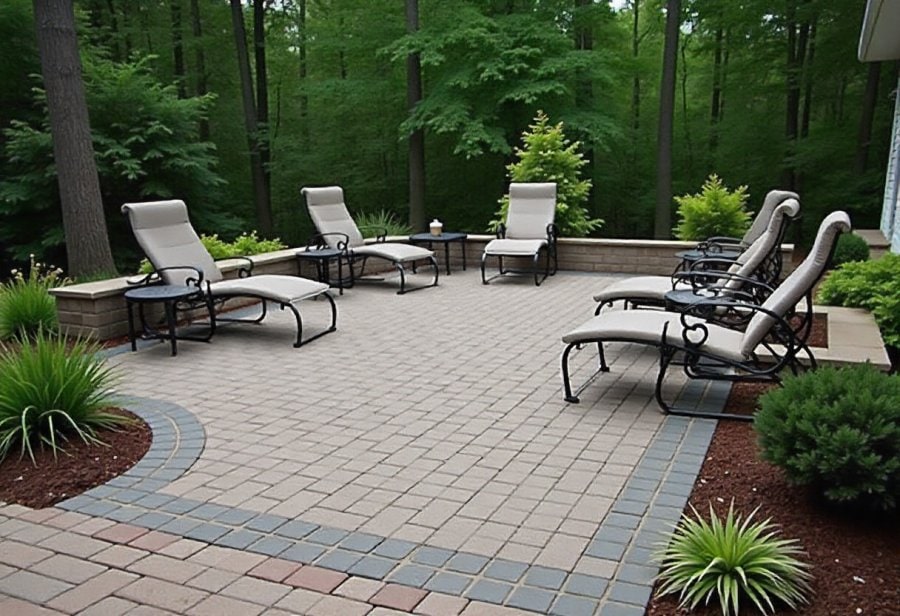
Real-world examples demonstrate the tangible impact permeable pavers have on reducing urban flooding. Cities across the globe have adopted these systems in parking lots, sidewalks, and public plazas, often reporting noticeable improvements during heavy rainstorms. For instance, a commercial district replaced traditional asphalt with permeable paving and experienced a substantial drop in surface runoff. This shift minimized water pooling on streets, prevented localized flooding, and enhanced safety for pedestrians and vehicles alike. Studies from these projects often show runoff volume reductions of up to 80%, underscoring the effectiveness of permeable pavers in flood mitigation.
The success of these systems hinges on careful design and proper installation. The surface layer, made from materials like concrete or stone, features pores or gaps that facilitate water passage. Beneath it, a gravel or crushed stone base channels water downward, preventing clogging and ensuring consistent infiltration. When installed correctly, these systems manage stormwater on-site, relieving pressure on overwhelmed stormwater infrastructure during heavy rains. Proper edge restraints and thorough subgrade preparation are essential to maintain system integrity over time and maximize performance.
Supporting evidence from diverse case studies highlights how permeable paving not only curtails flooding but also extends the lifespan of stormwater systems. In flood-prone neighborhoods, replacing traditional pavements with permeable options led to a 60% decrease in localized flooding incidents over two years. Similarly, projects that incorporate permeable sidewalks and parking areas absorb stormwater effectively, keeping streets clear even during intense storms. These examples confirm that permeable pavers are a practical, reliable solution that addresses both immediate flooding concerns and long-term infrastructure resilience.
However, implementing permeable pavers involves some challenges. The higher initial costs compared to asphalt or concrete can be a barrier for many municipalities, despite long-term savings from reduced flood-related damages. Maintenance remains critical; regular sweeping is necessary to remove debris, dirt, and oils that can clog pores and diminish permeability. In areas with heavy traffic or extreme weather, such as freeze-thaw cycles, the durability of permeable pavers can be tested. Reinforced options or specific design modifications often become necessary to ensure longevity and consistent performance.
Despite these hurdles, many cities are finding that the benefits outweigh the costs. Properly designed and maintained permeable paving systems effectively manage stormwater, reduce runoff, and protect infrastructure from flood damage. Advances in materials—such as clog-resistant surfaces—and innovations like embedded sensors for monitoring water flow are improving durability and ease of maintenance. These technological improvements make permeable pavers increasingly viable for diverse environments, from residential streets to commercial zones.
Looking ahead, ongoing innovations promise to expand the role of permeable pavers in urban flood prevention. Smart systems that monitor water flow and system health can optimize maintenance schedules and prevent clogging before issues arise. As awareness grows and policies favor sustainable infrastructure, permeable paving is poised to become a standard feature in resilient cities. Its proven ability to reduce flooding while supporting groundwater recharge and water quality makes it a cornerstone of future urban planning efforts, helping communities adapt to climate change and create greener, more sustainable neighborhoods.
As cities continue to explore sustainable solutions, the role of permeable pavers in promoting groundwater recharge becomes increasingly important. Implementing these systems not only helps manage floodwaters but also supports the natural replenishment of aquifers, contributing to overall water security. For more insights on how permeable pavers promote groundwater recharge and water filtration, you can visit Permeable pavers promote groundwater recharge and water filtration.
Applying Permeable Pavers in Cities: Opportunities and Obstacles
Cities worldwide are increasingly adopting permeable pavers as a practical solution to urban flooding. These porous surfaces are commonly used in parking lots, sidewalks, and public plazas, where their ability to absorb rainwater significantly reduces runoff. During heavy storms, areas paved with permeable materials often experience less water pooling and street flooding, making streets safer and more accessible. Their versatility allows communities to transform functional spaces into resilient, environmentally friendly zones that support sustainable urban development.
However, implementing permeable pavers presents some notable challenges. The initial cost tends to be higher than traditional asphalt or concrete, which can be a hurdle for city budgets. Despite this, many municipalities recognize the long-term savings from reduced flood damage and infrastructure strain, making the investment worthwhile. Maintenance is another critical factor; regular sweeping and debris removal are essential to prevent pores from clogging with dirt, oils, and debris, which can diminish permeability over time and compromise performance.
Durability also warrants attention, especially in areas with high traffic volumes or heavy machinery. While permeable pavers are designed to withstand regular use, they can wear faster or sustain damage under extreme loads. Reinforced options and thoughtful design modifications are often necessary to extend their lifespan and ensure they continue functioning effectively. Climate considerations, particularly regions prone to freeze-thaw cycles, can further impact durability. Proper material selection and installation techniques are vital to prevent cracking or deterioration caused by temperature fluctuations.
Successful deployment starts with careful planning. Site assessments should evaluate traffic patterns, soil conditions, and climate to determine suitability. Precise installation—laying a stable base, selecting clog-resistant materials, and installing edge restraints—ensures the system remains intact and effective over time. Educating maintenance crews about routine care, like regular sweeping, helps preserve permeability and system integrity, especially in urban settings where pollution and debris are common.
Despite these hurdles, many cities find that the benefits of permeable paving outweigh the costs. Properly designed and maintained systems effectively manage stormwater, reducing runoff and easing pressure on stormwater infrastructure. Advances in materials, such as clog-resistant surfaces, and innovations like embedded sensors for monitoring water flow, are addressing durability and maintenance concerns. These developments make permeable pavers increasingly adaptable to different environments, from residential streets to commercial zones.
Looking ahead, technological innovations promise to expand permeable paving’s role in urban flood prevention. Smart monitoring systems can optimize maintenance schedules, identify clogging before it becomes problematic, and extend the lifespan of these installations. As awareness and policy support grow, permeable paving is poised to become a standard feature of resilient, sustainable cities. Its proven ability to reduce flooding, support groundwater recharge, and improve urban water quality makes it a critical tool for communities aiming to adapt to climate change and create greener, more livable neighborhoods.
Transform Your Toronto Outdoors with Expert Landscape Design
Discover how Toronto Landscape & Design can elevate your outdoor space with their award-winning designers who take everything into consideration. Whether you’re looking to create a stunning natural stone feature, install water gardens, or design efficient irrigation systems, their team specializes in crafting beautiful retreats right in Toronto. By choosing professional landscaping, you can also effectively reduce backyard flooding and build durable retaining walls that stand the test of time. Trust the experts at Toronto Landscpe to bring your vision to life with tailored solutions that enhance your property’s beauty and functionality. Contact us at https://TorontoLandscapeDesign.com or call 1.416.644.0499 to start transforming your outdoor space today.
Shaping the Future of Urban Resilience with Smarter, Sustainable Paving Solutions
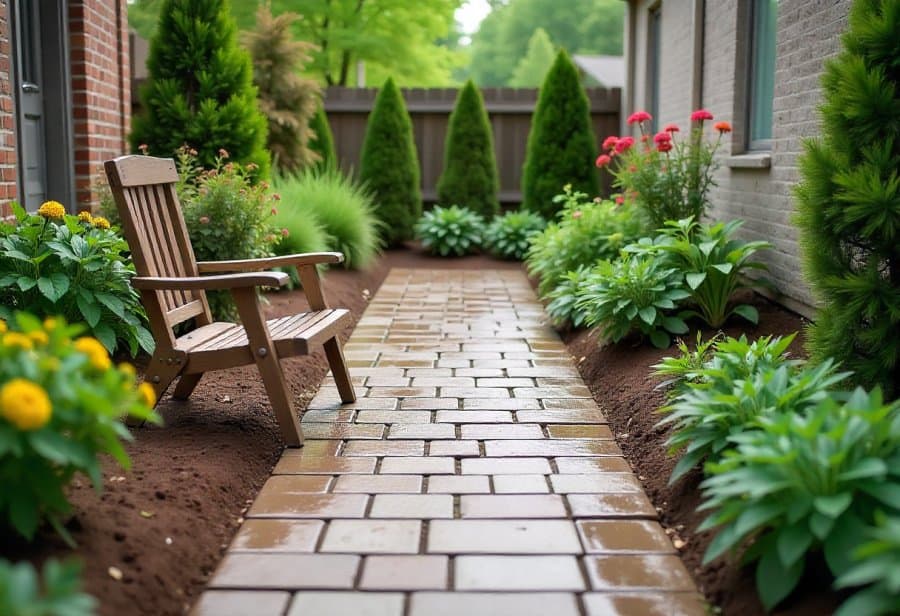
As urban areas confront increasingly unpredictable weather patterns and heavier rainfall, permeable paving’s role in flood management becomes even more vital. Advances in materials and design are making these surfaces more durable and easier to maintain, broadening their applicability across diverse environments. Future trends point toward greater integration of permeable pavers with smart city technologies, enabling real-time monitoring of water flow and system health. Such innovations allow for proactive maintenance, preventing clogging and deterioration before issues arise and ensuring consistent performance during storms.
Cities and urban planners are recognizing the importance of sustainable infrastructure as a core element of resilience. Supportive policies and incentives are encouraging the widespread adoption of permeable paving, transforming how communities manage stormwater and adapt to climate change. These systems do more than reduce flooding—they support groundwater recharge, improve water quality, and help mitigate urban heat islands. Growing evidence from existing projects highlights their effectiveness, encouraging broader implementation and fostering a shift toward greener, more resilient neighborhoods.
Technological innovations continue to improve permeable paver durability and ease of maintenance. Clog-resistant surfaces and embedded sensors for water flow monitoring address previous concerns about longevity and upkeep. These enhancements extend the lifespan of permeable systems and ensure reliable operation during extreme weather events. As these advancements become more accessible, permeable paving will become the standard in urban infrastructure, especially in zones with high traffic or challenging climates.
Raising awareness and educating communities about the benefits of permeable paving will further accelerate its integration into urban design. When cities experience tangible results—such as reduced flooding, healthier ecosystems, and improved public spaces—the support for these solutions grows. Policy incentives, combined with technological progress, will help embed permeable paving into mainstream planning, making sustainable water management a routine part of urban development.
Looking ahead, the potential for smart, climate-ready cities hinges on embracing these eco-friendly surfaces. Permeable pavers not only address immediate flooding concerns but also contribute to long-term ecological health and urban resilience. As innovation and policy align, permeable paving is poised to become a cornerstone of sustainable urban water management. Its proven ability to reduce runoff, support groundwater recharge, and enhance community well-being makes it an essential tool for cities committed to building a greener, more adaptable future.