The final mission of Space Shuttle Atlantis in 2011 marked a historic turning point in human space exploration, closing a chapter that spanned nearly three decades of innovation, discovery, and international collaboration. As millions watched its ascent from Kennedy Space Center, it symbolized both a farewell to the shuttle era and a launchpad for future ambitions—fueled by technological advancements and a renewed focus on partnerships with private industry. This iconic flight not only supported vital scientific research aboard the International Space Station but also ignited conversations about humanity’s next giant leaps to the Moon, Mars, and beyond. The legacy of Atlantis’s journey continues to inspire resilience, technological progress, and global unity in space endeavors. As we reflect on its influence, one wonders: how will this historic launch propel us into the next era of exploration and discovery?

Atlantis’s Final Mission: A Historic Milestone in Space Exploration
In 2011, the launch of Space Shuttle Atlantis marked a historic milestone in human space exploration. After nearly 30 years of pioneering missions, Atlantis’s final flight symbolized both the closing of a significant chapter and a stepping stone toward future endeavors. Its ascent from Kennedy Space Center was watched worldwide with pride, nostalgia, and a sense of collective achievement, as millions understood that this mission carried more than just scientific cargo—it carried the legacy of three decades of innovation and discovery.
This mission was not merely a farewell to the shuttle fleet but a testament to the resilience and ingenuity that defined NASA’s approach to spaceflight. Atlantis’s last journey was packed with vital supplies, scientific instruments, and equipment destined for the International Space Station. It underscored the shuttle’s critical role in supporting international collaboration and scientific progress, serving as a logistical backbone for ongoing research that benefits life on Earth.
Beyond its logistical importance, Atlantis’s final flight carried profound symbolic weight. It represented the culmination of countless technological advancements—upgrades to docking systems, thermal protection, and onboard diagnostics—all designed to improve safety and efficiency. These innovations reflected decades of lessons learned, pushing the boundaries of what was possible in human spaceflight and setting the stage for future exploration.
The mission also marked the end of an era but sparked conversations about what’s next. As the shuttle program concluded, NASA shifted its focus toward partnerships with private industry and ambitious plans for lunar and Martian exploration. Atlantis’s last flight became a rallying point for a new exploration paradigm—one rooted in innovation, international cooperation, and a shared vision for humanity’s future beyond Earth.
In essence, Atlantis’s final mission was more than a technical achievement; it was a powerful reminder of human curiosity and perseverance. It celebrated the collaborative effort of thousands of engineers, scientists, and astronauts who believed in exploration’s transformative potential. As the shuttle’s legacy continues to influence space policy and technology, its last flight remains a defining moment—an inspiring testament to our collective drive to reach further into the cosmos.
Impact and Legacy of Atlantis’s Last Flight: Shaping NASA’s Future
The end of Atlantis’s final flight marked a pivotal turning point for NASA and the broader landscape of space exploration. Without the shuttle’s reusable technology, NASA shifted its focus toward fostering partnerships with private space companies and planning ambitious missions beyond low Earth orbit. This transition opened doors for innovation, making space access more flexible and cost-effective, while encouraging a new era of commercial involvement in human spaceflight. The legacy of Atlantis’s last journey also prompted policymakers to rethink space priorities, balancing scientific research with the goals of lunar return and eventual Mars exploration.
The conclusion of the shuttle era wasn’t just about retiring a spacecraft; it represented a fundamental change in how humanity approaches its reach into space. NASA invested more heavily in collaborations with companies like SpaceX and Boeing, which have since revolutionized launch capabilities and expanded possibilities for crewed missions. These partnerships have reduced costs and increased mission adaptability, laying a stronger foundation for future exploration efforts. International cooperation also gained prominence, with the International Space Station continuing to serve as a hub for scientific discovery and shared progress, built on the shuttle’s legacy of collaboration.
Since Atlantis’s retirement, the focus has shifted toward building a resilient and diverse space program. The development of commercial crew programs now transports astronauts to the station, freeing NASA to prioritize long-term exploration initiatives like the Artemis program. Aiming to return humans to the Moon and establish a sustainable presence there, Artemis builds directly on the technological and operational lessons learned during the shuttle era. These efforts represent a strategic evolution, emphasizing sustainability, international partnerships, and technological innovation—principles embodied by Atlantis’s legacy.
The technological advancements demonstrated during Atlantis’s final missions continue to influence spacecraft design today. Upgrades to docking systems, thermal protection, and onboard diagnostics, developed through years of operational experience, are now standard in next-generation systems. These improvements are vital for the safety and success of upcoming missions to Mars and beyond. Atlantis’s example reminds us that continuous innovation is essential for overcoming the challenges of deep space exploration, ensuring that each step forward is safer and more efficient.
Looking ahead, the lessons from Atlantis’s journey foster a cultural shift within NASA and the broader space community. Emphasizing international cooperation, safety, and technological progress, these principles are guiding current strategies and inspiring new generations. The shuttle’s legacy fuels a vision of exploration rooted in resilience and shared human curiosity. As humanity prepares to venture further into the cosmos, Atlantis’s impact remains a guiding force, reminding us that the pursuit of discovery is a collective, ever-evolving effort.
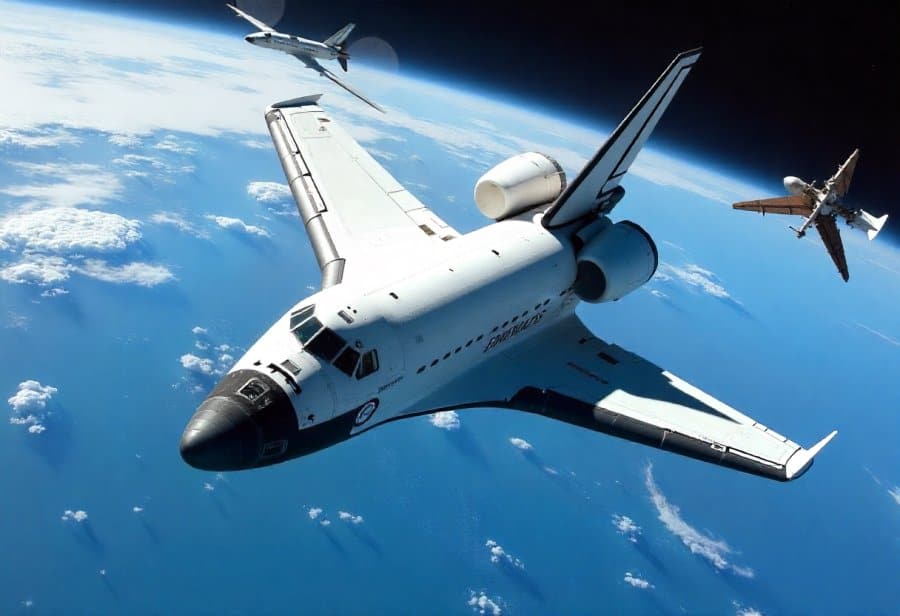
Global Reactions: How the World Celebrated Atlantis’s Farewell
The final shuttle flight of Atlantis sparked a wave of reactions that resonated both in the United States and around the world. For many Americans, it was a moment of pride and nostalgia, a bittersweet recognition of an era’s end. Media coverage was extensive, highlighting the mission’s significance as the culmination of nearly three decades of space exploration. Iconic images of Atlantis’s launch and splashdown became symbols of human perseverance and ingenuity, inspiring stories that celebrated exploration’s transformative power.
International responses mirrored this sentiment, with countries involved in the International Space Station partnership emphasizing Atlantis’s crucial role in advancing global scientific collaboration. News outlets across Europe, Asia, and beyond praised the shuttle’s contributions to international cooperation, showcasing how collective effort can push the boundaries of discovery. Many saw Atlantis’s final flight as a reminder that space exploration is a shared human endeavor, uniting nations in pursuit of common goals.
Public sentiment was a mixture of pride, reflection, and hope. People of all ages watched the launch with excitement, many feeling a sense of closure for the shuttle program while also looking forward to future possibilities. Social media buzzed with heartfelt messages, photos, and stories celebrating Atlantis’s legacy, fueling conversations about what’s next for human spaceflight. The emotional resonance of the event underscored the shuttle’s place in the collective imagination as a symbol of human curiosity and resilience.
Media coverage also focused on the technological advancements showcased during the final journey. Experts highlighted improvements in docking procedures, thermal protection, and onboard systems that made the last missions safer and more reliable. These innovations underscored the shuttle’s role not just as an explorer but as a platform for technological progress that would influence future spacecraft design. The event became a moment to reflect on how far space technology had come and what that meant for upcoming missions.
Overall, the global response demonstrated how Atlantis’s final flight transcended its technical achievements. It embodied the spirit of international unity, human curiosity, and perseverance. The shared pride and admiration across borders reinforced the idea that space exploration remains a collective effort—one that inspires generations to look beyond Earth and dream of what’s possible. Atlantis’s last mission left a lasting impression, igniting renewed passion for discovery and reminding us that the quest to explore the cosmos is a universal human pursuit.
As discussions about future space endeavors continue, many recognize the importance of understanding Atlantis’s role within NASA’s broader history. Exploring the legacy of Atlantis within NASA’s shuttle program history provides valuable insights into how these missions shaped modern space exploration and inspired subsequent initiatives. For those interested in the broader story of Atlantis’s contributions, examining its legacy within NASA’s shuttle program history can offer a deeper appreciation of its enduring impact.
From Atlantis to Mars: Connecting Past Achievements with Future Goals
Atlantis’s final flight marked more than just the end of NASA’s shuttle program; it became a pivotal moment shaping the future of human space exploration. The lessons learned from its many missions—particularly in spacecraft reliability and safety—continue to serve as the foundation for upcoming endeavors. These insights inform the development of new technologies and protocols, ensuring that future missions are safer, more efficient, and better equipped to handle the challenges of deep space travel.
As we look beyond Atlantis’s retirement, its legacy strongly influences initiatives like NASA’s Artemis program. Building on the operational experience gained during the shuttle era, Artemis aims to return humans to the Moon and establish a sustainable presence there. This effort acts as a stepping stone for future missions to Mars, demonstrating how Atlantis’s journey laid the groundwork for more ambitious exploration goals and technological advancements.
The shift toward partnerships with private companies such as SpaceX and Boeing has been a direct response to the lessons from Atlantis. These collaborations have made space travel more adaptable and cost-effective, broadening the scope of crewed missions beyond low Earth orbit. Commercial crew programs now ferry astronauts to the International Space Station, freeing NASA to focus on long-term exploration plans and deep space missions. This evolution underscores how the shuttle’s legacy of innovation and resilience continues to propel human spaceflight forward.
Technological advancements pioneered during Atlantis’s missions—like improved docking procedures, thermal protection systems, and onboard diagnostics—are now standard in next-generation spacecraft. These improvements, born from years of operational experience, are vital for ensuring safety and success on missions to Mars and beyond. Atlantis’s example reminds us that continuous innovation is essential, with each step building on the last to overcome the hurdles of exploring the cosmos.
Beyond hardware, Atlantis’s legacy fosters a cultural shift within NASA and the global space community. It emphasizes international cooperation, safety, and technological progress—principles that guide current strategies and inspire new generations of scientists and explorers. The lessons from Atlantis about teamwork and perseverance are embedded in the ongoing development of a resilient, collaborative exploration ecosystem.
Looking ahead, the focus on sustainability and global partnerships reflects the pioneering spirit Atlantis embodied. Its contributions to science and technology continue to inspire efforts to establish a human presence beyond Earth. The lessons learned during its operational life fuel ambitions to explore further and dream bigger, ensuring that each new chapter in space exploration carries the torch of resilience and curiosity.
Ultimately, Atlantis’s journey serves as a beacon for what humanity can achieve through perseverance, innovation, and collaboration. Its legacy isn’t just about the spacecraft itself but about the collective human drive to reach beyond our limits. As we stand on the threshold of new frontiers, the lessons of Atlantis remind us that exploration is a shared journey—one fueled by curiosity, courage, and the unwavering belief that the stars are within our grasp.

Remembering Atlantis: The Enduring Legacy of a Space Shuttle Icon
The final flight of Atlantis stands as a powerful symbol of human resilience and the relentless pursuit of discovery. After nearly three decades of pioneering missions, this moment marked both the closing of a chapter and the foundation for future exploration. Its ascent from Kennedy Space Center was watched worldwide with pride and nostalgia, reminding us of the many breakthroughs and innovations carried into space over the years.
Atlantis’s journey exemplifies the importance of continuous improvement. Each mission pushed the boundaries of spacecraft design, safety, and reliability—advancements that continue to influence how we approach space travel today. Its role in deploying and servicing the Hubble Space Telescope revolutionized astronomy and expanded our understanding of the universe, showcasing the shuttle’s capacity to unlock new frontiers of knowledge.
Beyond its technical achievements, Atlantis became a cultural icon—embodying human curiosity, perseverance, and international cooperation. As the last orbiter built, it represented the collective effort of thousands of engineers, scientists, and astronauts committed to pushing beyond our limits. Its legacy is woven into the fabric of space exploration, inspiring future generations to dream bigger and reach further.
The shuttle’s retirement signaled a shift toward a more sustainable and collaborative approach to space exploration. It sparked new partnerships with private industry and laid the groundwork for missions beyond low Earth orbit. The lessons learned from Atlantis continue to shape the development of safer, more efficient spacecraft—paving the way for missions to the Moon, Mars, and beyond.
What makes Atlantis’s story enduring is its ability to inspire hope and curiosity. It reminds us that exploration is a collective effort driven by resilience, innovation, and shared human ambition. Its legacy fuels the ongoing quest to explore the unknown, encouraging us to look to the stars with confidence and wonder.
In the end, Atlantis’s final flight wasn’t just an end—it was a celebration of what humanity can achieve when perseverance meets ingenuity. Its legacy endures in every technological advance, every international partnership, and every new step into space. As we continue to reach for new horizons, the spirit of Atlantis reminds us that the pursuit of discovery is a journey without end, fueled by curiosity and the unbreakable human drive to explore.