Explore the fascinating evolution of heroism through the contrasting lenses of Odysseus and Batman, two iconic figures separated by millennia yet united by enduring traits of resilience, cunning, and moral complexity. Odysseus embodies the Greek ideals of wisdom and perseverance, navigating divine wrath and mortal threats with strategic brilliance and steadfast loyalty. In stark contrast, Batman reflects modern anxieties—moral ambiguity, societal chaos, and personal trauma—requiring resilience and adaptability to restore justice. This analysis reveals how each culture’s fears and hopes shape their heroes, emphasizing that heroism is more than physical strength—it involves mental agility, moral resolve, and adaptability. As societal priorities shift, so too do the qualities we celebrate in our heroes, yet the core human drive to confront adversity and seek meaning remains constant. What do these differences tell us about the societies that created them—and what will future hero archetypes look like?
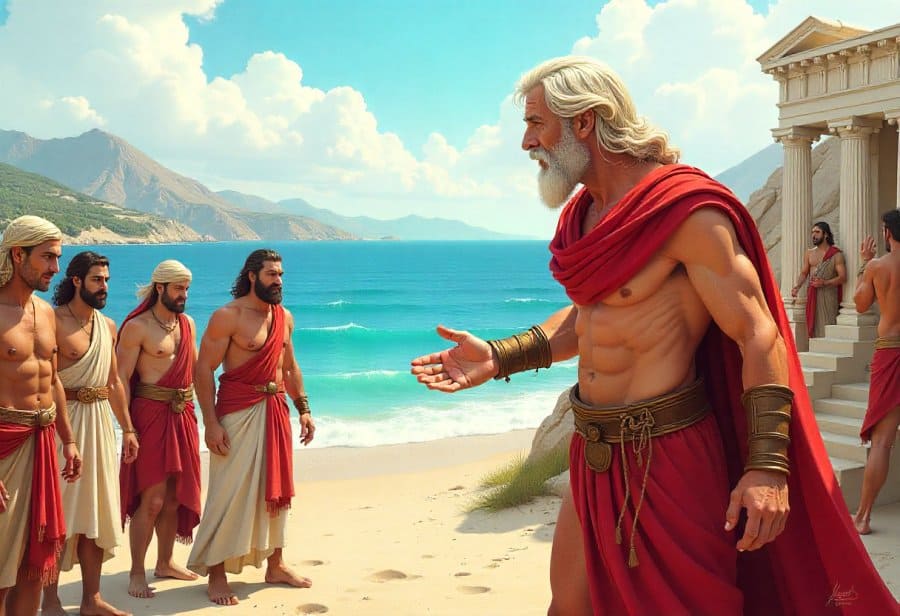
Heroic Archetypes as Mirrors of Society: Odysseus and Batman
Heroic archetypes like Odysseus and Batman offer more than just compelling stories—they serve as mirrors to the values, fears, and aspirations of their respective cultures. Odysseus, from Homer’s ancient Greek epics, exemplifies traits such as cunning, resilience, and unwavering loyalty. These qualities reflect a society that prized wisdom, strategic thinking, and perseverance as keys to overcoming divine and mortal challenges. His cleverness in devising plans like the Trojan Horse and his endurance through divine wrath highlight a culture that celebrated mental agility and steadfastness.
In contrast, Batman, a modern creation rooted in comic books, embodies a different set of ideals. His story is shaped by themes of moral complexity, personal trauma, and societal disorder. Batman’s vigilante approach mirrors contemporary concerns about crime, corruption, and the limits of law enforcement. His moral ambiguity and resilience reflect a society that questions clear-cut virtues and recognizes that heroism often involves navigating gray areas to restore order. These differences reveal how each culture’s unique fears and hopes influence the kind of hero it admires.
Exploring these two figures underscores how heroism evolves over time, shaped by societal priorities. Odysseus’s resourcefulness and loyalty echo a culture concerned with divine favor and social cohesion, emphasizing virtues that uphold stability. Batman’s resilience and moral flexibility, meanwhile, speak to a world grappling with urban chaos and moral uncertainty. Their stories demonstrate that heroism is not static but adapts to the collective fears and ambitions of each era, making these characters enduring symbols of human aspiration.
Both archetypes also highlight that heroism involves more than physical prowess. Odysseus’s cunning and resilience show the importance of mental strength and strategic thinking. Batman’s ability to bounce back from setbacks underscores resilience as a core trait. Together, they illustrate that true heroism requires adaptability, perseverance, and moral resolve—qualities that remain relevant, regardless of the time period.
These heroes serve as cultural lenses, revealing what each society values most. Odysseus’s cleverness and endurance mirror a civilization that prizes wisdom and perseverance. Batman’s moral resilience and adaptability reflect a society concerned with justice amid chaos. Their stories remind us that the fundamental human drive to confront adversity and seek meaning transcends eras, with each culture shaping its heroes to embody its deepest hopes and fears.
From Divine Favor to Moral Gray Areas: The Evolution of Hero Archetypes
Hero archetypes have deep roots in human history, shaping stories of greatness across civilizations. In ancient Greece, heroes like Odysseus emerged from a culture that celebrated traits such as cunning, resilience, and loyalty—qualities that reflected their societal ideals of strategic thinking, endurance, and moral virtue. These stories were intertwined with religious beliefs, emphasizing divine favor and the importance of honor. Odysseus’s clever plans, like the Trojan Horse, showcase Greek admiration for intelligence and resourcefulness, while his endurance through storms, monsters, and divine wrath highlights resilience as a key heroic trait.
As societies grew more complex, their ideas about heroism evolved accordingly. The Greeks valued heroes who demonstrated both mental agility and moral strength, using their stories to reinforce social bonds and divine order. These tales often became part of religious rituals, elevating heroes to near-divine status and emphasizing divine blessing and moral integrity. Over time, hero stories served as moral guides, illustrating virtues like loyalty, bravery, and wisdom that upheld social cohesion and stability.
Moving into modern society, the conception of heroism shifted dramatically. Today’s heroes often grapple with moral ambiguity, personal trauma, and societal disorder—elements vividly captured in characters like Batman. Unlike Odysseus, whose cleverness was rooted in outsmarting divine and mortal enemies, modern heroes navigate issues of justice, corruption, and lawlessness. Their stories reflect contemporary fears and hopes, emphasizing resilience and adaptability in a world where clear virtues are often challenged and moral gray areas are the norm.
This shift reveals how cultural contexts shape what traits are celebrated in heroes. Ancient stories highlighted divine favor, wisdom, and perseverance—values that maintained social order and reinforced divine harmony. In contrast, contemporary narratives focus more on resilience, moral complexity, and the ability to adapt, illustrating a society preoccupied with chaos and moral uncertainty. Despite these differences, both types of stories express a universal human drive: the desire to confront adversity and find meaning amid hardship.
The evolution of hero archetypes demonstrates that heroism is not static but responds to societal needs and fears. The Greek hero embodied divine approval and social cohesion, while modern heroes reflect a world that values moral resilience and ingenuity. These stories serve as cultural mirrors, revealing what each society considers admirable and worth striving for. They also show that, across time, the core human qualities of perseverance, intelligence, and moral strength remain central to our understanding of heroism.
Looking ahead, hero archetypes will continue to evolve alongside societal changes and technological advances. Future heroes may be virtual or AI-based, embodying innovations and ethical dilemmas unique to our era. Yet, the fundamental traits—resilience, strategic thinking, and moral resolve—are likely to endure, reflecting our persistent human ambition to face challenges head-on. These stories remind us that while the form may change, the essence of heroism remains rooted in the timeless drive to overcome adversity and seek a better future.

Resilience and Strategy: The Twin Pillars of Heroic Greatness
Odysseus and Batman both show that true heroism is rooted in resilience and strategic thinking. Odysseus’s epic journey home is a masterclass in endurance; despite storms, monsters, and divine interference, he never gives up. His ability to adapt—by devising clever plans or exercising patience through setbacks—demonstrates a mental toughness that surpasses brute strength. Resilience, for him, is about persisting against overwhelming odds, embodying the Greek ideal that perseverance defines greatness.
Similarly, Batman’s resilience is central to his effectiveness. Haunted by the trauma of losing his parents, he channels that pain into relentless pursuit of justice. Whether recovering from a failed plan, injury, or emotional blow, his capacity to bounce back keeps him fighting. Resilience isn’t just about physical endurance; it’s about maintaining moral resolve amid chaos, showing that heroes must withstand both external threats and internal struggles.
Strategic thinking plays a crucial role in both stories. Odysseus’s reputation as a cunning tactician is legendary—his Trojan Horse plan is a prime example of turning obstacles into opportunities. His resourcefulness allows him to outwit gods and enemies alike, proving that mental agility is vital for overcoming adversity. Instead of relying solely on force, he demonstrates that thinking several steps ahead can change the course of events.
Batman’s tactical brilliance is equally impressive. He employs technology, psychological insights, and improvisation to stay ahead of Gotham’s criminals. His plans are often complex, requiring quick adjustments when circumstances shift. This flexibility highlights that heroism demands not just cleverness but the ability to adapt strategies in real time, especially when facing unpredictable threats.
These qualities of resilience and strategy are deeply interconnected. Odysseus’s endurance is supported by his cleverness; his ability to adapt keeps him moving forward. Batman’s resilience is fueled by his strategic mindset—his quick thinking helps him recover from setbacks and outmaneuver foes. Together, these traits form a cycle of mental toughness and adaptability that define what it means to be a hero.
Cultural contexts shape how these traits are expressed. Odysseus’s resilience and cunning reflect a society that values perseverance and intelligence as keys to divine favor and social stability. Batman’s resilience and moral flexibility mirror a modern world filled with chaos, moral gray areas, and the need for quick thinking. Both heroes exemplify that enduring adversity requires more than strength—it demands a flexible, strategic mind.
In both stories, resilience and strategic thinking are not just traits but essential tools for navigating life’s challenges. Odysseus’s patience and cleverness enable him to survive divine wrath and mortal threats. Batman’s ability to recover from setbacks and think on his feet sustains his fight against crime and corruption. These qualities show that heroism involves ongoing adaptation, mental agility, and unwavering perseverance.
Ultimately, resilience and strategy are what distinguish true heroes. They highlight that overcoming adversity is a dynamic process—one that requires resilience to withstand setbacks and strategic thinking to find new paths forward. Whether through Odysseus’s clever plans or Batman’s improvisation, both characters demonstrate that heroism is as much about the mind as it is about the muscle. These qualities remain timeless, guiding heroes across eras and cultures.
Understanding how resilience and strategic thinking shape heroism can also be enriched by exploring how ancient Greek values are reflected in Odysseus’s character. These cultural ideals continue to influence modern storytelling, illustrating that core virtues like perseverance and ingenuity transcend time. For a deeper analysis of these parallels, see the article on how ancient Greek values are reflected in odysseus’s character.
Tracing the Transformation of Heroes: From Myths to Modern Comics
Hero archetypes have evolved dramatically from ancient myths to today’s comics and movies, reflecting shifting societal fears and values. In ancient Greece, heroes like Odysseus were celebrated for traits such as cunning, resilience, and loyalty—qualities that emphasized wisdom, perseverance, and social cohesion. Their stories often intertwined with religious beliefs, portraying heroes as figures blessed by divine favor or embodying moral virtues that reinforced societal stability. Odysseus’s clever plans, like the Trojan Horse, showcased Greek admiration for intelligence and resourcefulness, while his endurance through divine wrath and monstrous threats highlighted resilience as a core heroic trait.
As societies grew more complex, so did their ideas about heroism. Greek heroes were seen as moral exemplars who maintained social bonds and divine order, reinforcing values like loyalty and bravery. Over time, these stories became part of religious rituals, elevating heroes to near-divine status and emphasizing divine blessing and moral virtue as essential qualities. Moving into modern times, heroism shifted to reflect contemporary fears and hopes. Today’s heroes often grapple with moral ambiguity, personal trauma, and societal disorder—elements vividly captured in characters like Batman, who operate in morally gray urban landscapes.
Unlike Odysseus, whose cleverness was rooted in outsmarting divine and mortal enemies, modern heroes navigate issues of justice, corruption, and lawlessness. Their stories mirror a society grappling with chaos and moral uncertainty, emphasizing resilience and adaptability. Despite the differences, both types of heroes serve as mirrors of their cultures’ collective ambitions and anxieties. While ancient stories reinforced divine approval and social harmony, modern tales highlight moral resilience and the necessity to adapt in a world filled with unpredictable threats.
This evolution shows how cultural contexts shape the traits celebrated in heroes. Ancient stories focused on divine favor, wisdom, and perseverance—values that upheld social order and reinforced divine harmony. Today’s narratives emphasize resilience, moral complexity, and flexibility, reflecting a society preoccupied with chaos and moral gray areas. Yet, beneath these differences lies a shared core: the human drive to confront adversity and find meaning through struggle. Hero stories are a reflection of evolving societal priorities, but their fundamental message remains constant.
Looking ahead, hero archetypes will continue to adapt alongside technological advances and shifting moral landscapes. Future heroes may be virtual or AI characters, embodying innovations and ethical dilemmas unique to our era. Despite these changes, the essential qualities—resilience, strategic thinking, and moral resolve—are likely to endure, echoing our persistent human ambition to face challenges head-on. These stories remind us that, no matter the form, the core of heroism is rooted in our universal desire to confront adversity and pursue a better future.
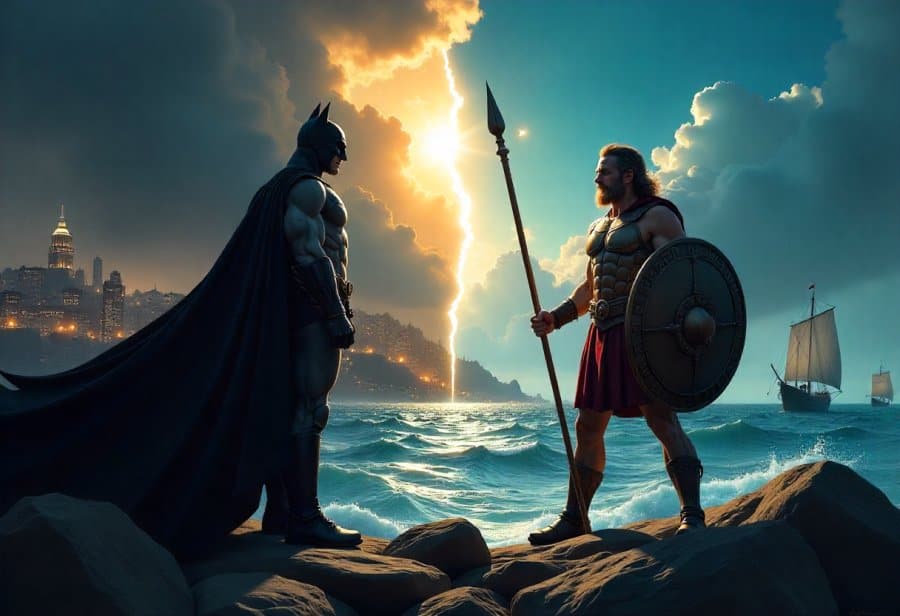
Reflections on Heroism: What Odysseus and Batman Reveal About Human Ambition and Society
Odysseus and Batman serve as powerful mirrors to human ambition and the values societies hold dear. Odysseus’s cleverness, resilience, and loyalty reflect ancient Greek ideals—traits that emphasized wisdom, perseverance, and social harmony. His stories highlight a culture that prized mental agility and steadfastness as essential for overcoming divine and mortal challenges. In contrast, Batman embodies modern concerns about justice, moral ambiguity, and resilience amid urban chaos. His vigilante approach reveals a society grappling with crime, corruption, and the limits of law enforcement, emphasizing that heroism today often involves navigating complex ethical gray areas.
These figures also reveal contrasting visions of success and admirable qualities. Odysseus’s journey underscores the importance of strategic thinking and endurance—traits that foster perseverance and moral strength. Batman’s relentless fight against crime, despite personal trauma and moral complexity, reflects a desire for resilience and integrity in a fractured world. Both heroes demonstrate that human ambition drives us to confront adversity, whether through wit and endurance or moral resilience and adaptability.
At their core, Odysseus and Batman show that resilience and strategic thinking are vital in facing life’s challenges. Odysseus’s endurance through divine wrath and monstrous threats exemplifies mental toughness. Batman’s ability to recover from setbacks and stay committed to his mission highlights resilience as a defining trait. Their strategic minds—Odysseus’s cunning plans and Batman’s improvisation—illustrate that heroism requires quick thinking and adaptability, especially in morally complex situations.
These archetypes also teach us that heroism is rooted in moral choices. Odysseus’s morally ambiguous decisions—deceiving enemies and manipulating divine forces—highlight a culture that valued cleverness and strategic thinking. Batman’s operating outside traditional laws reflects a recognition that heroism often involves navigating gray ethical areas. Both figures remind us that true heroism isn’t about perfection but about moral courage and integrity amid difficult dilemmas.
Cultural contexts shape how these qualities are expressed. Odysseus’s resilience and cunning mirror a society that valued perseverance and divine favor as keys to greatness. Meanwhile, Batman’s moral resilience and adaptability speak to a modern world concerned with chaos, moral uncertainty, and the need for flexibility. Despite their differences, both heroes embody universal human qualities—ingenuity, perseverance, and moral strength—that transcend eras, reminding us that confronting adversity is a fundamental part of the human experience.
Their stories reveal that heroism evolves alongside societal fears and hopes. Ancient myths reinforced divine approval and social harmony, while modern tales emphasize resilience and moral complexity. Yet, beneath these shifts lies a shared core: the drive to overcome hardship and seek meaning. Both archetypes demonstrate that heroism is a dynamic reflection of human ambition—adaptable, enduring, and driven by the desire to leave a lasting impact.
In a world constantly changing, these legends continue to inspire. Whether through Odysseus’s cunning or Batman’s moral resilience, their stories remind us that the essential qualities of a hero—adaptability, perseverance, and moral resolve—remain timeless. They encourage us to face our own challenges with ingenuity and strength, reaffirming that the pursuit of greatness is a universal endeavor rooted in our deepest human nature.