What if true leadership isn’t measured by external victories but by inner discipline and moral resilience? Marcus Aurelius’s life exemplifies that genuine strength comes not from conquests or power, but from mastery over oneself. In an era flooded with distractions and rapid change, cultivating virtues like patience, humility, and emotional regulation becomes vital for enduring influence. This timeless insight from Stoic philosophy reveals that leaders who develop a well-grounded inner core can navigate chaos with calm clarity and inspire lasting trust. As society faces increasing uncertainties—political upheavals, technological shifts—the question remains: are we investing enough in our internal virtues to shape resilient, authentic leaders? The journey toward self-awareness and moral clarity isn’t a fleeting effort but a continual quest, one that ultimately defines the legacy of those who choose to lead with character first, power second.
Article Contents
Inner Discipline as the True Foundation of Leadership
Leadership is often measured by external achievements—victories won, territories expanded, or displays of power. Yet, beneath these outward signs lies a less obvious truth: genuine strength in leadership originates from within. Inner discipline, self-control, and moral clarity form the bedrock that allows leaders to stay steady amid chaos and make thoughtful decisions. When leaders focus on cultivating virtues like patience and humility, they develop an inner resilience that inspires trust and provides stability, even during turbulent times. This internal strength isn’t about suppressing emotions; it’s about building a solid character that guides calm, deliberate responses rather than reactive impulses.
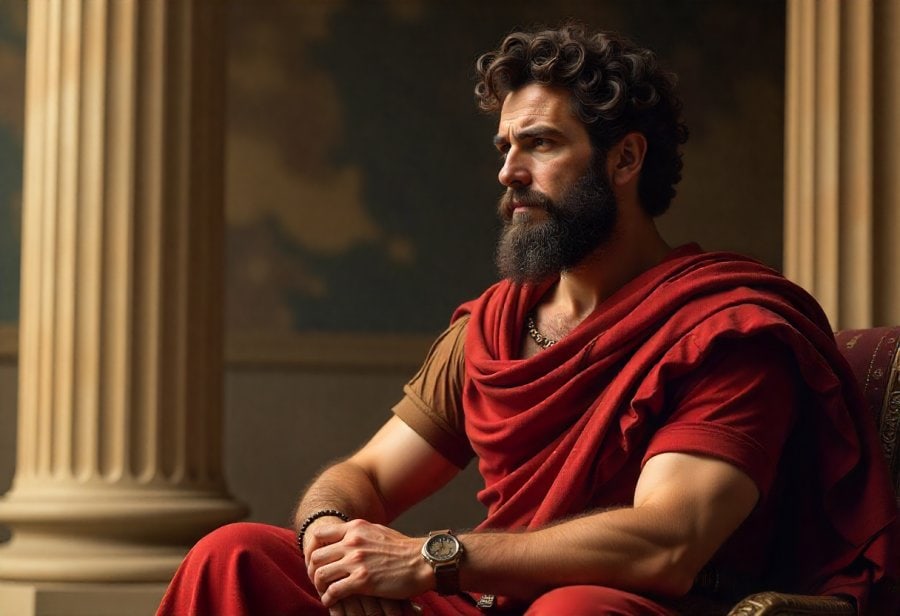
Marcus Aurelius exemplifies this idea perfectly. As a philosopher-king, he believed that true power wasn’t in external conquest but in mastery over oneself. His writings in *Meditations* reveal a leader committed to self-awareness and moral integrity—traits that helped him govern with dignity through wars, plagues, and political upheaval. His life demonstrates that real strength isn’t about dominating others but about controlling one’s impulses and maintaining clarity of purpose. This perspective shifts our focus from external victories to internal mastery, emphasizing that lasting leadership depends on the strength of character behind the achievements.
Inner discipline isn’t just about remaining calm; it’s about developing virtues like patience, humility, and resilience that enable leaders to respond thoughtfully instead of reacting impulsively, especially in crises. Self-control keeps destructive impulses in check, while wisdom guides better decision-making. Resilience ensures setbacks don’t break a leader’s resolve but become opportunities for growth. When leaders nurture these qualities, they create a stable core that remains steadfast regardless of external circumstances—forming the true backbone of effective leadership.
Recognizing that true strength begins within aligns with centuries of philosophical thought. Stoic philosophers, including Seneca and Epictetus, emphasized that external events are beyond our control, but our internal responses are entirely within our power. Marcus Aurelius’s life embodies this belief—facing wars, political intrigue, and personal hardships, he maintained calm and moral clarity. His ability to govern with equanimity under pressure shows that internal discipline is essential for leadership that endures beyond fleeting external successes. It’s this inner fortress that truly sets exceptional leaders apart and leaves a lasting legacy.
Historical Roots and Practical Foundations of Inner Mastery
Inner discipline has long stood as the cornerstone of effective leadership. Its roots trace back to ancient philosophies like Stoicism, which emphasized that true strength comes from mastering oneself—controlling passions, managing emotions, and cultivating virtues such as patience and humility. Thinkers like Socrates, Seneca, Epictetus, and Marcus Aurelius believed that external circumstances are often beyond our control, but our internal responses are entirely within our power. This mindset encourages leaders to develop resilience and moral clarity, equipping them to navigate complex challenges with calm and purpose.
The Stoics offered practical methods to strengthen inner discipline. Daily routines such as reflection, journaling, and mental rehearsals serve as mental fortresses, preparing the mind to face adversity with steadiness. These habits reinforce resilience and moral integrity, making internal strength a default response rather than a rare achievement. Leaders who incorporate such practices cultivate a consistent inner resilience that supports wise decision-making and calm leadership, even amidst chaos.
Historical examples underscore the importance of inner discipline. Marcus Aurelius’s writings in *Meditations* reveal a ruler committed to self-awareness and moral integrity, maintaining composure through wars, plagues, and political upheaval. His ability to govern with humility and clarity illustrates how internal mastery can sustain effective leadership during turbulent times. These figures demonstrate that external power or conquest pale in comparison to the influence of a resilient, disciplined mind.
Modern research echoes these ancient insights. Emotional regulation, self-awareness, and moral clarity are linked to better decision-making and stronger relationships. Leaders who actively develop these qualities—through mindfulness, reflection, or value-based routines—tend to handle crises more effectively. Their internal resilience fosters trust and steadiness, proving that inner discipline isn’t just philosophical fluff but a practical tool for navigating today’s complex environment.
Building inner discipline isn’t without challenges. Distractions are everywhere, and societal pressures often tempt leaders to chase superficial success or react impulsively. Crises amplify these risks, testing even the most disciplined. Recognizing these hurdles is key. Success depends on persistent effort—sticking to routines like reflection and mindfulness, especially when it’s tough. Leaders who see inner discipline as a lifelong journey will be better prepared to grow stronger through setbacks.
Creating space for self-awareness and emotional control should be a daily priority. Whether through journaling, meditation, or reaffirming core values, these routines develop mental toughness. Over time, they transform resilience from a fleeting trait into a stable foundation, enabling leaders to respond thoughtfully rather than impulsively. This ongoing effort shapes an inner core capable of withstanding external upheavals and inspiring confidence in others.
In today’s fast-paced world, cultivating inner discipline is more crucial than ever. Leaders face constant distractions—social media, news cycles, and the pressure for immediate reactions. Developing habits that foster self-awareness and emotional regulation helps anchor them amid this chaos. When these routines become second nature, leaders can prioritize long-term vision over short-term impulses, guiding their teams with clarity and moral steadiness.
Ultimately, inner discipline is a continuous journey, not a one-time achievement. It requires deliberate effort—daily reflection, mindfulness, and value affirmation. Recognizing setbacks as opportunities for growth keeps leaders humble and resilient. Those who commit to this path will find that their internal strength becomes a powerful, lasting asset—one that not only sustains effective leadership but also leaves a lasting legacy.
Proven Impact: How Inner Discipline Shapes Leaders Through History and Evidence
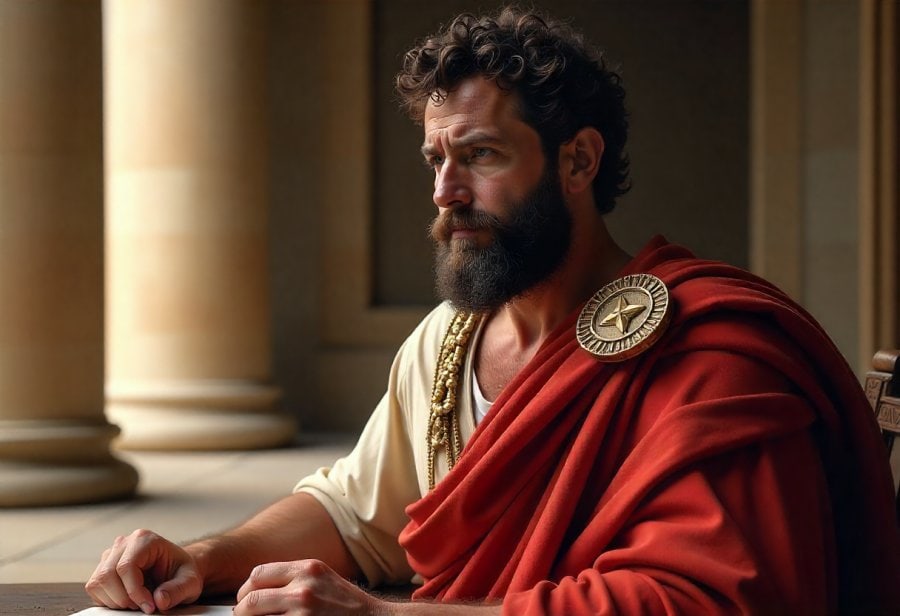
Throughout history, leaders who prioritized inner discipline have demonstrated a profound impact on their effectiveness and legacy. Marcus Aurelius exemplifies this perfectly; his writings in *Meditations* reveal a leader committed to self-mastery amid chaos. Despite facing relentless external pressures—wars along the Danube, devastating plagues, and political intrigue—he maintained a steady, composed demeanor rooted in resilience. His ability to govern with humility and moral clarity helped stabilize an empire in turmoil, illustrating that internal strength often outweighs external conquest.
Philosophers like Epictetus emphasized that what lies within us—our thoughts, choices, and reactions—is entirely within our control. His teachings advocate daily routines such as reflection and mental rehearsal, which serve as mental armor against adversity. These practices prepare the mind to face external hardships with calm and clarity, transforming internal virtues into practical tools for leadership. Leaders who adopt such habits develop an inner resilience that fosters thoughtful decision-making and inspires trust, even during crises.
Real-world examples extend beyond philosophy. Nelson Mandela’s unwavering commitment to forgiveness and moral integrity guided South Africa through its transition from apartheid. Despite personal sacrifices and intense external opposition, his resilience and calm focus kept him aligned with his principles, demonstrating that inner discipline can shape a nation’s destiny. Similarly, contemporary figures like Satya Nadella foster cultures of humility and emotional intelligence, which have driven innovation and loyalty within their organizations. These leaders show that virtues such as patience, humility, and self-control are not just ideals—they’re essential assets for lasting influence.
Maintaining this inner discipline isn’t always straightforward. External distractions, societal pressures, and personal setbacks test even the most committed leaders. Moments of vulnerability reveal that resilience requires ongoing effort and self-awareness. Marcus Aurelius’s example reminds us that setbacks are part of growth; true strength lies in the willingness to continually refine oneself. Leaders who accept this ongoing journey build a resilient core that withstands external upheavals and sustains their influence over time.
Psychological research supports these observations, linking emotional regulation, self-awareness, and moral clarity to better decision-making and stronger relationships. Leaders who actively cultivate these qualities—through mindfulness, reflection, or core-value routines—navigate uncertainty more effectively. Their internal resilience becomes a stabilizing force, fostering trust and loyalty in their teams. This evidence confirms that inner discipline isn’t just philosophical fluff—it’s a practical, measurable asset in today’s complex world.
In sum, history and modern science converge on one truth: inner discipline shapes leadership outcomes. Whether in ancient Rome or today’s corporate boardrooms, those who focus on developing resilience and virtues stand out. Marcus Aurelius’s life reminds us that external conquest offers fleeting power, while internal mastery creates a lasting legacy. Leaders who invest in their inner virtues forge a foundation capable of enduring turbulence and inspiring others to follow a path rooted in character and integrity.
Cultivating Inner Strength: Applying Discipline for Modern Leadership Success
In today’s fast-paced, distraction-filled world, embodying inner discipline is more crucial than ever for effective leadership. Leaders are pulled in countless directions—social media alerts, constant news updates, and the pressure to respond instantly can easily divert attention from core values and long-term vision. Developing daily habits like reflection, mindfulness, and purpose-driven routines helps anchor leaders amid this chaos. These practices foster self-awareness and emotional regulation, enabling leaders to choose thoughtful responses instead of reacting impulsively. Building this inner resilience creates a mental foundation that withstands external turbulence and inspires confidence within teams.
Successful leaders often adopt intentional routines that reinforce their inner discipline. Regular journaling or quiet reflection clarifies priorities and reaffirms their guiding principles. Mindfulness exercises, such as meditation or deep breathing, improve emotional control, especially during stressful moments. Setting aside time for self-assessment keeps leaders aligned with their values, even when under pressure. These routines aren’t about perfection but serve as anchors that turn calmness and moral clarity into default responses. Over time, consistent effort in these areas strengthens inner resilience, making it easier to navigate uncertainty with confidence and integrity.
Examining modern examples reveals how inner discipline translates into tangible leadership impact. Nelson Mandela’s unwavering commitment to forgiveness and moral integrity helped guide South Africa through its transition from apartheid. Despite immense personal sacrifice and external opposition, his resilience and calm focus kept him aligned with his principles. Similarly, Satya Nadella’s emphasis on empathy and humility at Microsoft fostered a culture of trust and innovation. These leaders demonstrate that virtues like patience, humility, and self-control aren’t abstract ideals—they’re practical assets that sustain influence and foster loyalty over time.
However, maintaining inner discipline isn’t always straightforward. External distractions are relentless, and societal pressures often tempt leaders to chase superficial success or act impulsively. Crises test even the most disciplined, risking reactive decisions driven by ego or fear. Recognizing these challenges as part of the growth process is key. Persistence—sticking to routines of reflection, mindfulness, and value reaffirmation—builds resilience that endures setbacks. Leaders who see inner discipline as a continuous journey, rather than a fixed achievement, are better equipped to grow stronger through adversity.
Developing inner discipline today requires deliberate, ongoing effort. Leaders should prioritize creating space for self-awareness and emotional control, integrating these practices into everyday life. Whether through journaling, meditation, or reaffirming core values, these routines cultivate mental toughness and moral steadiness. Over time, they turn resilience into a reliable foundation—one that enables leaders to respond thoughtfully rather than impulsively. This continuous commitment shapes an inner core capable of weathering external upheavals and inspiring trust, loyalty, and authentic influence.
In an era marked by rapid change and complexity, those who invest in their inner virtues will stand out. Leaders who cultivate patience, wisdom, and resilience create a ripple effect, inspiring others to follow a path rooted in character rather than superficial success. Their inner discipline becomes a guiding light, fostering cultures of trust and stability. By focusing on self-mastery and moral clarity, they set a new standard for authentic leadership—one that endures beyond fleeting trends and external wins. Ultimately, the most impactful leaders are those who nurture their inner strength every day, recognizing that true authority begins where ego ends and self-control begins.

The Future of Leadership: Embracing Inner Discipline for Lasting Influence
As we look ahead, the role of inner discipline in leadership becomes clearer than ever. The wisdom of Marcus Aurelius and the Stoic tradition reminds us that true strength isn’t rooted in external displays of power, but in the steadiness of the mind, moral clarity, and resilience within. Leaders who cultivate these qualities will be better equipped to navigate the complexities of today’s world, build genuine trust, and inspire lasting change. External achievements may fade over time, but the virtues developed from within form a foundation that endures through turbulence.
The future of leadership will increasingly depend on how well individuals develop and prioritize inner discipline. As societal challenges grow more unpredictable—political upheaval, economic shifts, technological disruptions—those who rely on their internal strength will stand out. Leaders committed to self-awareness, emotional regulation, and moral integrity will be more adaptable, resilient, and capable of guiding their teams through uncertainty. This shift suggests a move away from superficial success driven by ego toward a deeper, more sustainable influence rooted in character.
Advances in neuroscience and psychology are providing new insights into how training the mind can strengthen inner resilience. Practices like mindfulness, reflection, and value-based routines aren’t just philosophical ideals—they’re practical tools that can be learned and refined. Leaders who embrace these methods will cultivate mental fortitude that enhances decision-making, fosters innovation, and models integrity. Inner discipline becomes not just a personal virtue but a measurable asset that supports sustainable leadership in an increasingly complex environment.
Building this inner strength requires continuous effort. It’s about making deliberate choices—daily routines of self-awareness, emotional regulation, and reaffirming core values. Recognizing setbacks and vulnerabilities as part of growth helps leaders stay humble and committed to self-improvement. Those who view inner discipline as a lifelong journey will be better prepared to face adversity, grow through challenges, and leave a lasting legacy rooted in authentic character.
Leaders who invest in developing patience, wisdom, and resilience will foster cultures of trust and stability. Their inner discipline becomes a guiding light, inspiring others to follow not out of fear but respect and shared purpose. This ripple effect can shape organizations and societies that are more adaptable, ethical, and enduring—built on foundations that no external storm can easily shake.
In embracing these principles, future leaders will discover that their greatest power lies within. Mastering oneself first paves the way for lasting influence and meaningful impact. External successes may be fleeting, but the virtues honed through inner discipline create a legacy that withstands any turbulence. The path forward demands a renewed focus on character—on patience over impulse, wisdom over conquest—and a recognition that true authority begins where ego ends and self-control begins.
The journey toward authentic, resilient leadership starts within. Investing in self-awareness, moral clarity, and emotional resilience isn’t just a personal choice; it’s a collective imperative. As the world continues to change at an unprecedented pace, those who prioritize inner discipline will be the ones shaping a more stable, ethical, and enduring future. Their inner strength will serve as a beacon, guiding others through uncertainty and setting new standards for what it means to lead with integrity.