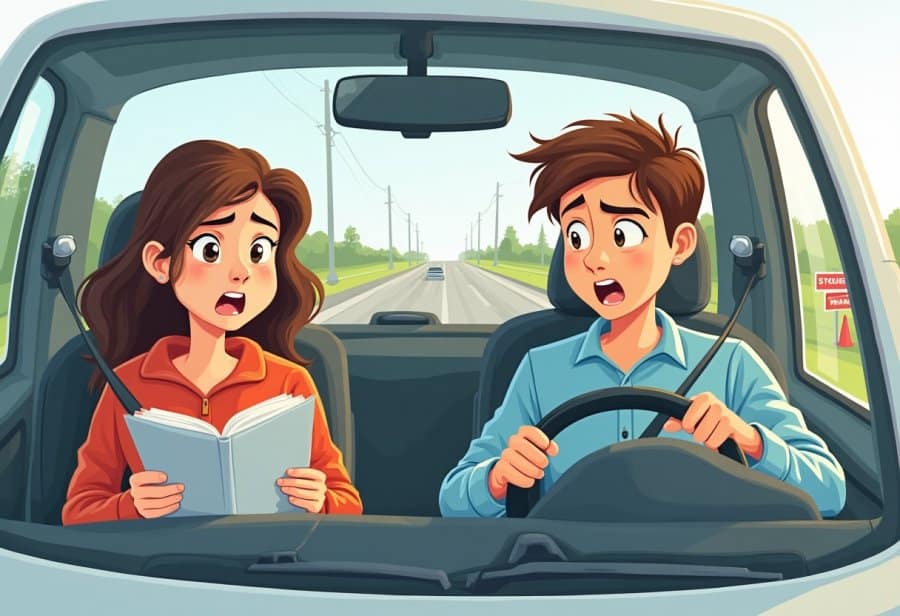
Learning to drive marks a pivotal moment in a teen’s journey toward independence, blending excitement with overwhelming nerves. Behind the wheel, fears of mistakes and unfamiliar situations can threaten confidence, yet these challenges also serve as vital growth opportunities. Does the road to self-assuredness become easier with support and practice, or do internal struggles persist despite progress? The process involves more than mastering controls—it’s about managing emotions, building resilience, and trusting oneself in complex scenarios. Practical strategies like phased learning, positive reinforcement, and emotional resilience training transform anxiety into confidence, gradually turning nerves into self-reliance. Emerging technologies such as virtual reality and personalized programs promise to reshape driver education, fostering safer, more confident drivers. But can these innovations truly replace patience and emotional support? Ultimately, guiding teens through this emotional rollercoaster creates not only skilled drivers but resilient individuals prepared for life’s many roads.

Embark on the Emotional Journey to Teen Driving Confidence
Learning to drive is a major milestone for teenagers, marking their first step toward independence. But behind the excitement often lies a swirl of nerves and self-doubt. For many teens, sitting behind the wheel for the first time feels like stepping into uncharted territory. The thrill of freedom is quickly balanced by worries—about making mistakes, handling traffic, or simply feeling unsure of their skills. These feelings are natural and shared across generations, reflecting the universal challenge of facing something new and demanding.
As teens begin their driving journey, they often grapple with internal fears that can hold them back. The car becomes more than just a machine; it’s a symbol of responsibility and self-reliance. Yet, that symbolism can also create pressure. Many teens experience self-doubt when navigating unfamiliar roads or complex traffic situations. This internal struggle can lead to hesitation or second-guessing, which might slow their progress and shake their confidence.
Learning to drive isn’t just about mastering controls—it’s about managing emotions. The nerves and doubts can feel overwhelming, but they also serve as opportunities for growth. Recognizing these feelings as normal helps normalize the experience and reduces the stigma around setbacks. With patience and reassurance from parents and instructors, teens can learn to see mistakes as part of the process and use them to build resilience.
The process of gaining confidence on the road is deeply personal. It involves facing fears, managing expectations, and gradually developing trust in oneself. When teens are supported and their efforts are celebrated, they begin to see their progress, which fuels their motivation. Each small success becomes a building block toward greater self-assurance behind the wheel.
This emotional journey mirrors broader life lessons about patience, perseverance, and self-awareness. Navigating nerves and setbacks teaches skills that extend beyond driving—resilience, problem-solving, and emotional regulation. These qualities prepare teens not just for the road, but for many of life’s challenges ahead. Understanding the emotional landscape of learning to drive underscores how transformative this milestone truly is, shaping confident, responsible young adults ready to face the road ahead.
Building a Solid Foundation to Overcome Driving Anxiety
Overcoming driving anxiety begins with building a solid foundation of knowledge and practical techniques that make teens feel more in control behind the wheel. When young drivers understand how their car works — from signaling correctly to maintaining safe following distances — they gain a sense of mastery that can significantly reduce feelings of uncertainty. Familiarity with these basics turns the unfamiliar into manageable steps, easing nerves and making each new driving situation less intimidating.
Practicing simple strategies like deep breathing or visualization can help calm nerves before and during driving sessions. These techniques help teens stay focused and composed when they encounter stressful moments, such as merging onto a busy highway or navigating tricky intersections. Breaking the learning process into small, achievable steps—starting in quiet neighborhoods and gradually progressing to busier roads—allows teens to build confidence steadily. This staged approach prevents overwhelm and fuels a sense of accomplishment with each new milestone.
Support from parents and instructors is key in this phase. When teens receive consistent praise for efforts like smooth steering or proper signaling, they reinforce positive habits and boost self-trust. Celebrating small wins helps them recognize progress and stay motivated, encouraging continued practice. Repetition in familiar environments also helps develop muscle memory, making driving feel more natural and less stressful over time.
Addressing common fears directly makes a big difference. Many teens worry about causing accidents or making mistakes, which can lead to hesitation or avoidance. Open conversations that normalize these concerns and frame errors as part of learning shift their mindset. Understanding that even experienced drivers make mistakes fosters resilience and helps teens see setbacks as stepping stones rather than failures. This perspective encourages a growth mindset that promotes confidence and persistence.
Confidence is rooted not only in technical skills but also in mindset. Encouragement plays a vital role; reminding teens that nerves are normal and that confidence grows with practice can motivate them to push through initial discomfort. Setting small, clear goals—like mastering parking or merging smoothly—creates tangible signs of progress that reinforce their belief in their abilities and diminish anxiety.
Creating a supportive environment and managing expectations set the stage for success. Patience from parents and instructors, combined with celebrating every effort, keeps teens motivated. Teaching them to stay calm and focused in challenging situations prepares them to handle real-world driving with greater confidence. These foundational strategies lay the groundwork for turning initial nerves into lasting self-assurance behind the wheel.

Supporting Evidence and Techniques that Boost Teen Drivers’ Confidence
Research and real-world case studies consistently demonstrate that a structured, supportive approach significantly boosts teenage driving confidence. Programs that start teens in low-stress environments, such as empty parking lots, then gradually introduce city streets and highways, help desensitize their fears. This step-by-step method allows teens to build skills and confidence at their own pace, reducing feelings of being overwhelmed and helping them recognize tangible progress along the way.
Positive reinforcement plays a key role supported by numerous studies. Praising small successes—like a smooth lane change or correct signaling—not only reinforces good habits but also fosters a sense of accomplishment. For example, a driving school that emphasizes celebrating each milestone reported a noticeable decrease in anxiety and a boost in self-reported confidence among students. This shows how focusing on progress rather than perfection encourages teens to stay motivated and resilient.
Consistent, encouraging feedback also enhances risk assessment and emotional resilience. Data from the National Highway Traffic Safety Administration indicates that teens who receive regular positive reinforcement tend to respond more calmly during unexpected or challenging situations. Confidence, in this context, isn’t just about mastering the mechanics; it’s about feeling emotionally prepared to handle real-world stressors, which is crucial for safe driving.
Scenario-based training offers an additional layer of support by simulating complex driving situations in a controlled setting. Practicing maneuvers like highway merging or navigating busy intersections without real-world consequences helps teens develop problem-solving skills and reduces anxiety. When they encounter these scenarios on actual roads, they’re more likely to respond with calmness and confidence, making stressful moments more manageable.
Repetition and familiarity in low-pressure environments are vital for developing mastery. When teens repeatedly succeed in simple settings, their belief in their abilities grows, and this confidence transfers to more complex situations. A 2021 study found that teens practicing regularly in safe, predictable environments reported less anxiety and higher confidence levels overall, reinforcing that confidence is built through deliberate, supported experiences.
In essence, confidence-building in teen drivers relies on a mix of technical skill development and emotional resilience. Supportive environments that celebrate progress, normalize setbacks, and provide consistent positive reinforcement foster growth. These methods not only help teens become safer drivers but also lay the foundation for lifelong confidence and responsible decision-making behind the wheel.
Applying Confidence Strategies in Real-Life Driving Scenarios
Applying confidence-building strategies in real-world driving situations means creating lessons that gradually increase in complexity. Starting in quiet neighborhoods or empty parking lots allows teens to focus on fundamental skills like steering, braking, and lane positioning without feeling overwhelmed. As they become more comfortable, instructors and parents can introduce busier scenarios, such as navigating through intersections or merging onto highways. This step-by-step approach helps teens develop a sense of mastery, transforming nerves into confidence behind the wheel.
Support from parents and instructors plays a crucial role during this process. Providing specific, positive feedback—like praising a smooth turn or proper signaling—reinforces good habits and builds trust in their abilities. Celebrating small successes encourages teens to see their progress and motivates them to take on more challenging situations. Using mock exercises or scenario-based discussions prepares teens mentally for real-world challenges, making them more confident and less anxious when they encounter similar situations on actual roads.
Structured programs that focus on phased learning also show promising results. Many driving schools tailor lessons to start with basic skills in low-pressure environments before gradually progressing to city driving and highway traffic. When parents are involved, practicing together reinforces skills and provides reassurance. These combined efforts help teens approach driving with a calmer, more confident mindset, reducing nerves even in unfamiliar or stressful conditions.
However, obstacles like peer pressure or limited practice time can hinder progress. Teens might feel tempted to take unnecessary risks or rush into complex driving environments before they’re ready. Overcoming these barriers requires patience, ongoing support, and emphasizing the importance of steady, deliberate practice. Encouraging teens to view mistakes as part of learning keeps them motivated and resilient, while consistent, positive reinforcement fosters a growth mindset that cultivates genuine confidence.
The key to translating skills into real-world confidence lies in blending technical mastery with emotional resilience. When teens experience success in controlled settings, their belief in their abilities grows stronger. This confidence naturally transfers to more demanding situations, like highway driving or navigating tricky traffic, where calmness and focus are essential. Creating a safe, supportive environment ensures that each experience, whether a small achievement or a setback, becomes a building block toward lasting self-assurance.
By applying these confidence-building techniques in everyday practice, teens learn to handle the realities of driving more effectively. Each successful encounter—whether merging onto a busy road or making a tricky turn—reinforces their skills and trust in themselves. Over time, these experiences help turn driving from a source of nerves into an opportunity for growth and independence. This steady process of support and practice prepares teens not just to be competent drivers but to approach the road with confidence and responsibility.

Shaping the Future of Teen Driver Education with Innovation and Resilience
As teen driver education continues to evolve, innovative tools and approaches are making the journey from nerves to confidence more effective and engaging. Virtual reality simulations are increasingly used to create safe, realistic environments where teens can practice handling challenging scenarios without the risks of actual driving. These immersive experiences help reduce anxiety by familiarizing young drivers with difficult situations, gradually building their skills and self-assurance. At the same time, adaptive learning platforms are personalizing lessons to fit each teen’s pace and specific needs, ensuring they focus on areas where they feel less confident. This tailored approach not only improves technical competence but also nurtures emotional resilience, which is crucial for transforming apprehension into genuine confidence behind the wheel.
Alongside technological advances, there’s a growing emphasis on integrating emotional resilience into driver education. Programs that include mindset training—covering stress management, self-awareness, and confidence-building exercises—are gaining traction. Recognizing that attitude and emotional preparedness are just as important as driving skills helps create more well-rounded learners. Many educators now advocate for curricula that blend technical mastery with emotional intelligence, aiming to produce responsible drivers who can handle stress and setbacks with maturity. This holistic approach prepares teens not only for safe driving but also for the broader challenges of independence.
Looking ahead, fostering patience, ongoing learning, and self-reflection remains key. Confidence doesn’t develop overnight, and setbacks are part of the process. Encouraging teens to view mistakes as opportunities for growth, rather than failures, builds resilience and persistence. Strong support networks—whether through family, peers, or community programs—play a vital role in maintaining motivation and reassurance. As new methods and resources emerge, the focus should stay on creating supportive environments where teens feel safe to experiment, learn from errors, and gradually build their independence with confidence.
Policymakers and educational institutions also have a role in expanding access to these innovative tools. Investing in advanced training resources, broadening driver education programs, and promoting policies that prioritize emotional resilience can significantly enhance how effectively teens transition from hesitant beginners to confident drivers. Incorporating these elements into standard curricula helps prepare young drivers for real-world challenges, turning initial anxiety into a foundation for lifelong skills. This comprehensive approach ensures that the road ahead is not only safer but also more empowering for young adults.
As we embrace these emerging trends, the goal remains clear: to support teens in transforming nervousness into self-assurance. Mastering driving skills is just one part of the equation; nurturing a growth mindset, patience, and resilience is equally vital. When young drivers feel supported and capable, they approach the road with calmness and purpose, making their journey toward independence smoother and more rewarding. This shift from apprehension to confidence doesn’t just benefit individual teens—it contributes to a safer, more responsible generation of drivers.
By fostering environments that value gradual progress and emotional growth, we lay the groundwork for confident, responsible young adults. Each experience—whether a small success or a setback—becomes an opportunity to learn and strengthen their skills. As confidence builds, teens become more equipped to handle the unpredictable nature of real-world driving, turning what once seemed daunting into a stepping stone for personal growth. This ongoing process of support, innovation, and reflection is shaping a future where nerves are replaced by genuine self-belief.
In the end, the future of teen driver education hinges on our ability to combine technology, emotional intelligence, and supportive communities. When these elements work together, they create a comprehensive pathway from initial nerves to lasting confidence. This not only enhances safety on the roads but also helps young adults develop vital life skills like patience, problem-solving, and resilience. The result is a generation better prepared to face both the challenges of driving and the broader journey into independence with strength and assurance.