Underground street racing is more than just a high-speed chase; it’s a vibrant culture woven with adrenaline, rebellion, and unbreakable brotherhood. From shadowy urban nights to meticulously customized cars, racers forge bonds rooted in trust, loyalty, and shared risks. These clandestine gatherings symbolize defiance against societal norms, transforming anonymous streets into arenas of kinship and identity. As the scene evolves amid police crackdowns and safety concerns, it adapts through innovation and community-led initiatives, emphasizing responsibility without losing its raw energy. The bonds built through late-night tuning, victories, and collective support forge lifelong connections that surpass the thrill of speed—creating a resilient brotherhood that endures external pressures. Will this relentless pursuit of kinship and adrenaline withstand the inevitable challenges of legality and safety, or will innovation and unity redefine the future of this rebellious subculture? One thing is certain: in the shadows, the spirit of brotherhood continues to burn brightly.
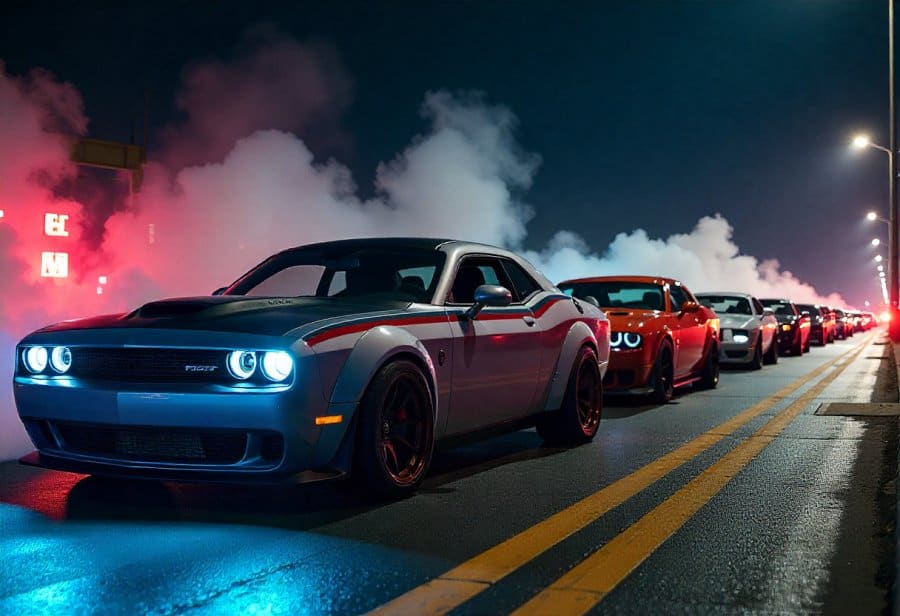
Underground Street Racing: A Nighttime Culture of Rebellion and Community
Underground street racing isn’t just about hitting top speeds; it’s a vibrant subculture that pulses beneath the surface of city life. It’s a scene driven by adrenaline, rebellion, and a genuine sense of community. Drivers gather late at night in deserted alleys, abandoned lots, or quiet industrial zones, transforming everyday streets into makeshift racetracks. The thrill lies not only in racing but in the daring act of defying norms and avoiding the watchful eyes of law enforcement.
What makes this scene so compelling is the strong bonds it creates among participants. These aren’t just racers—they’re part of a brotherhood built on shared risks and mutual respect. Modifying cars is a core part of this culture, with enthusiasts tuning engines, customizing aesthetics, and upgrading parts to stand out and perform better. Each vehicle becomes a personal statement, reflecting identity and pride, which in turn deepens connections within the community.
This underground scene has deep roots in urban environments where secrecy and adventure naturally intertwine. Dimly lit streets, abandoned warehouses, and quiet backstreets serve as the perfect backdrop for clandestine races, often feeling like acts of rebellion against societal constraints. These settings foster a sense of independence and self-expression, especially among young people seeking belonging and a way to showcase their skills outside mainstream channels.
Over the years, street racing has evolved from spontaneous gatherings into a defined subculture with its own rituals and rivalries. Early meets were informal, but as the scene grew, so did loyalty among crews who shared knowledge, techniques, and traditions. Legendary races in cities like Los Angeles and Tokyo added to the mystique—fueling stories of danger, glamour, and defiance that spread through social media and word of mouth, reinforcing the scene’s underground allure.
At its core, underground street racing is about more than just speed. It’s about creating a sense of family forged through long nights of tuning cars, sharing victories, and supporting each other through setbacks and police crackdowns. Darkness and secrecy strip away superficial differences, leaving only trust, loyalty, and shared passion. For many, this brotherhood becomes more valuable than the races themselves, shaping a community rooted in kinship and mutual support.
From Spontaneous Meets to a Renowned Subculture: The Evolution of Street Racing
Street racing’s roots go back decades, starting as spontaneous meets where car enthusiasts pushed their machines beyond everyday limits. In those early days, races took place in quiet neighborhoods, abandoned parking lots, or industrial zones—places where speed could be tested without attracting too much attention. The energy was raw and unpolished, driven by a simple thrill: going faster than anyone else, fueled by a shared love of speed and skill.
As these gatherings grew in size and frequency, a sense of community started to form. Small crews or groups emerged, exchanging tips on engine tuning, driving techniques, and racing etiquette. These bonds were reinforced through secret midnight meetups and rituals like handshakes, turning casual encounters into tightly knit circles. Loyalty and trust became the backbone of these groups, supporting each other with repairs, advice, and protection from law enforcement.
The scene gained momentum through the 1980s and 1990s, with legendary races and rivalries that became local legends. Events like Los Angeles’ “Midnight Run” or Tokyo’s street racing scenes gained notoriety, blending danger with glamour. These races often ended in crashes or police chases, adding to their mythic allure and drawing more young enthusiasts into the rebellious culture. Social media later amplified these stories, turning local meets into viral sensations and spreading the underground reputation even further.
Throughout this evolution, car modification and personalization remained central. Enthusiasts transformed standard vehicles into unique machines capable of extraordinary speeds—installing aftermarket parts, fine-tuning engines, and customizing aesthetics. Certain brands and styles became symbols within the scene, creating a visual language that racers proudly displayed. These modifications represented more than performance; they signified loyalty, identity, and pride, strengthening the bonds within the community.
Despite its growth, street racing faced ongoing challenges. Law enforcement crackdowns, legal penalties, and safety concerns threatened to dismantle the scene. Many racers operated in secrecy, constantly shifting locations to avoid detection. Yet, these risks only deepened the loyalty among members, who saw their community as worth defending. The shared risks, the rituals, and the support systems helped preserve the culture’s core spirit amid external pressures.
Over time, the scene became a powerful symbol of rebellion, technical mastery, and kinship. It’s a culture rooted in tradition, passed down through generations, with rituals that reinforce trust and loyalty. Each race isn’t just about speed but about asserting identity and forging lifelong bonds. As technology advances and external threats evolve, this underground culture continues to adapt, driven by the unbreakable spirit of brotherhood that has kept it alive for decades.
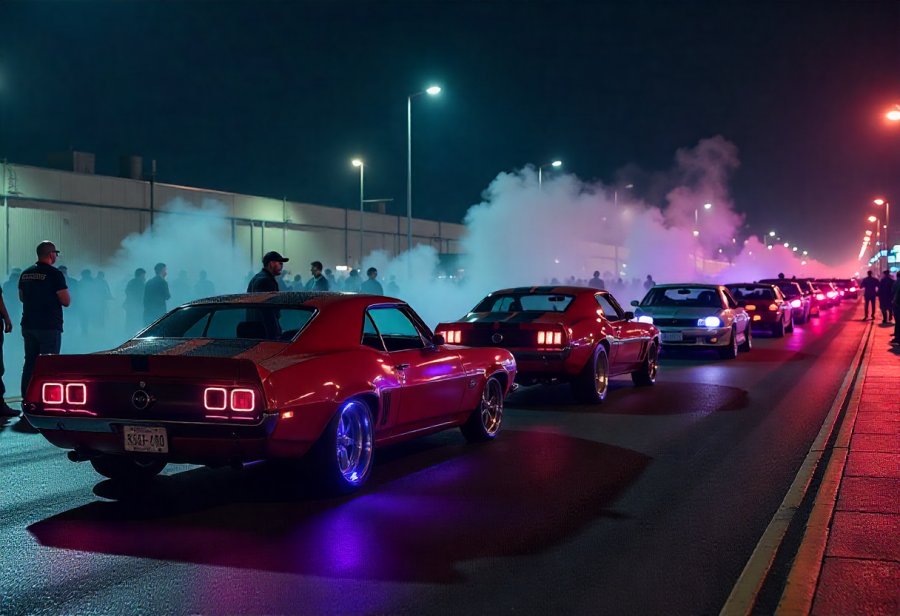
Brotherhood Under the Streetlights: The Loyalty that Fuels the Scene
The environment of underground street racing naturally creates bonds that go well beyond the thrill of speed. These racers often form a brotherhood rooted in shared risks, mutual trust, and a deep sense of loyalty. Every night spent tuning cars, strategizing for races, or celebrating victories helps forge connections that feel more like family ties than casual friendships. It’s in these moments—under the cover of darkness, away from prying eyes—that trust is built and loyalty is tested.
Long nights working on engines or preparing for a race are more than just routines—they’re rituals that deepen these bonds. Helping a teammate troubleshoot an engine issue or standing by them during police crackdowns reinforces a sense of unity that’s unbreakable. These acts of support are acts of loyalty, creating a social fabric woven with shared experiences, sacrifices, and common goals. Every gesture, from sharing advice to passing down parts, signals that they’re in this together, no matter what.
Night racing isn’t just about the competition; it’s a shared experience that cements lifelong friendships. The darkness strips away superficial differences, revealing a core connection built on adrenaline, respect, and trust. Crews gather in secret spots, exchanging stories and preparing their cars with a collective purpose. These moments of preparation and anticipation aren’t just about racing—they’re about belonging and mutual commitment, reinforcing that the brotherhood extends far beyond the asphalt.
Within this culture, loyalty manifests in countless small acts. Sharing tuning tips, trading parts, or helping repair a damaged vehicle all serve to strengthen bonds. Each act of generosity or dependability confirms that these relationships are rooted in genuine trust. This mutual reliance turns casual acquaintances into lifelong allies, bound by shared passions and the understanding that they’re part of something bigger than themselves.
The high-octane moments of a race—launching off the line or narrowly avoiding disaster—intensify these feelings of unity. Racers experience a primal sense of kinship, knowing they’ve trusted each other in high-stakes situations. These shared moments of adrenaline become rites of passage, elevating their connection from simple camaraderie to lifelong loyalty. Each victory, each close call, reinforces their collective strength and unbreakable bond.
This sense of brotherhood isn’t limited to the race itself. It’s woven into the fabric of everyday life within the scene. Whether it’s supporting a teammate through legal troubles or helping each other upgrade cars, these acts of loyalty create a resilient community. It’s a culture built on trust, where members look out for one another even in the face of external threats or societal disapproval.
Car modifications serve as more than just aesthetic choices—they symbolize allegiance and pride. Investing in personalized machines and sharing technical knowledge solidifies the sense of belonging. These machines become symbols of identity within the brotherhood, each one telling a story of loyalty, craftsmanship, and shared values. The act of building and maintaining these cars is a collective effort that binds members even tighter.
Despite external pressures and risks, the core of this underground culture remains intact—trust and loyalty. It’s these values that keep the brotherhood alive, fueling a sense of kinship that endures beyond the races and into everyday life. In this world, loyalty isn’t just a word; it’s the foundation that sustains their community amid challenges, ensuring that the spirit of brotherhood continues to thrive in the shadows.
Speed, Risk, and Resilience: The Impact and Practical Realities of Underground Racing
Underground street racing leaves a deep imprint on both its participants and the communities around them. For racers, this scene offers more than just the thrill of pushing their cars to the limit; it provides a sense of identity and belonging that’s hard to find elsewhere. Sharing long nights tuning engines, strategizing for races, and celebrating victories fosters bonds rooted in mutual trust and loyalty. These relationships often feel like family ties, built through shared risks and collective experiences that go beyond the asphalt.
Despite the adrenaline-fueled camaraderie, external pressures constantly threaten the scene’s sustainability. Police crackdowns, hefty fines, and vehicle impoundments are common hurdles that can dismantle crews and fracture trust within the community. The inherent dangers of reckless driving, injuries, or even fatalities also cast a shadow, prompting ongoing debates about safety and responsibility. Local residents sometimes express frustration over noise, property damage, and safety hazards, which leads to increased law enforcement efforts and further pushes activities into secrecy.
Yet, the culture adapts. Many crews advocate for safer practices, organizing races at private tracks or community events that emphasize responsible driving. Sharing knowledge about safer modifications and driving techniques helps shift the scene toward sustainability. This collective effort demonstrates a recognition that their passion must coexist with safety and legality if the brotherhood is to endure. Loyalty among racers extends beyond the races themselves, manifesting in acts of support during police raids, assisting with repairs, or passing down traditions, which deepen their bonds.
Car modifications play a central role in expressing allegiance and pride within the community. Enthusiasts invest time and resources into transforming their vehicles—installing aftermarket parts, fine-tuning engines, and customizing aesthetics. These personalized machines serve as symbols of identity, loyalty, and craftsmanship, reinforcing a shared visual language that unites members. The act of building and maintaining these cars becomes a collective ritual, embedding a sense of purpose and belonging that strengthens the social fabric.
Despite external threats, the core values of trust, loyalty, and brotherhood keep the scene resilient. Members see their community as more than just a group of racers—they are guardians of a culture that values kinship and mutual support. This unwavering sense of loyalty and shared passion ensures that underground street racing continues to thrive in the shadows, driven by bonds that are stronger than any law or risk. In this way, the scene endures, fueling a culture where speed and kinship go hand in hand.
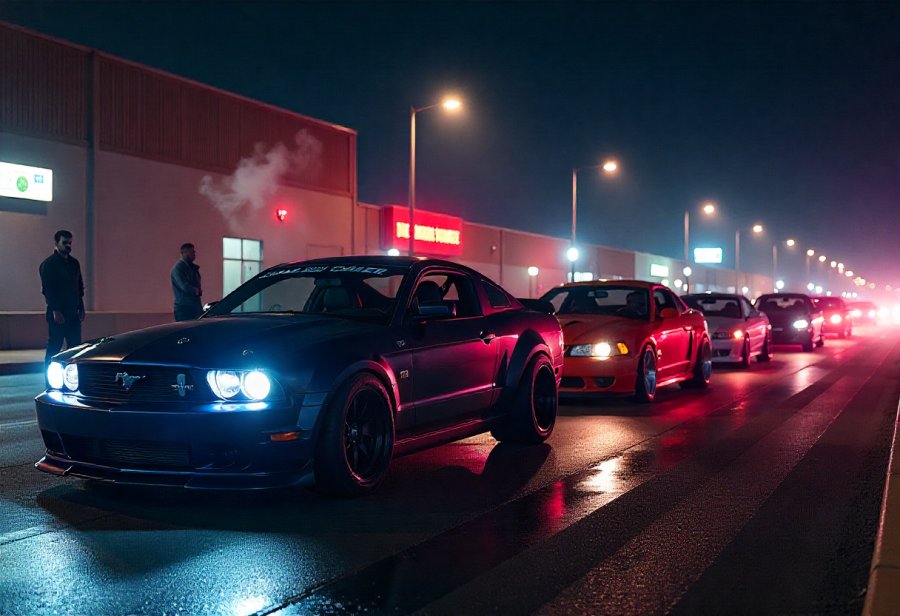
Enduring Bonds and the Road Ahead: The Future of Street Racing and Its Brotherhood
The future of underground street racing and its brotherhood will hinge on both resilience and adaptability. Despite ongoing law enforcement crackdowns and safety concerns, the core values of loyalty, trust, and shared passion continue to drive this underground scene forward. As technology advances, we might see more organized and safer events, such as sanctioned races at private tracks or community-led initiatives that prioritize responsibility. These developments could help preserve the brotherhood while reducing risks, offering a sustainable path for the culture to thrive.
New generations of racers bring fresh energy and innovative ideas, blending traditional values with modern technology. Electric cars and sophisticated tuning software are beginning to reshape how modifications are approached, making the scene more technologically advanced and environmentally conscious. However, these changes may also draw increased scrutiny from authorities, who view illegal racing as a growing threat. Balancing the thrill of speed with safety and legality will be essential to ensure the scene’s long-term survival and relevance.
The bonds forged through countless nights tuning, racing, and supporting each other are unlikely to fade. Many in the scene see their community as more than just a hobby—they’re a family that extends beyond the asphalt. This sense of kinship, rooted in shared risks and mutual loyalty, is what keeps the culture alive despite external pressures. It’s this deep connection that transforms a scene of reckless rebellion into a resilient movement, capable of weathering societal changes and legal challenges.
Looking ahead, the scene might become more inclusive, welcoming newcomers who respect its traditions and values. Efforts to promote safer, more responsible racing—like organized events or mentorship programs—could help legitimize parts of the culture without sacrificing its core spirit. Finding a way to honor tradition while embracing change might be the key to sustaining this brotherhood in a rapidly evolving landscape.
No matter what the future holds, the essence of underground street racing remains rooted in adrenaline and brotherhood. The bonds formed in the heat of night races—built on trust, loyalty, and shared passion—are stronger than any law or obstacle. As long as there are racers committed to their community, this culture will continue to burn brightly in the shadows, driven by unbreakable kinship and the relentless pursuit of speed.