In a digital age where connection often feels superficial, could tending a garden together unlock deeper bonds and promote healing? This exploration reveals how shared outdoor activities can transform relationships, fostering trust, patience, and empathy. Gardening becomes more than a hobby; it’s a powerful metaphor for growth and resilience, offering tangible rewards like blooming flowers and ripe vegetables that symbolize collective achievement. Engaging physically with nature reduces stress, enhances mindfulness, and creates sacred spaces for honest conversations and emotional vulnerability. Can working side-by-side in the soil truly rebuild trust and intimacy in modern life? The answer lies in the quiet, patient effort of nurturing life—both in the garden and within ourselves—reminding us that genuine connection flourishes where care, presence, and shared purpose intersect.
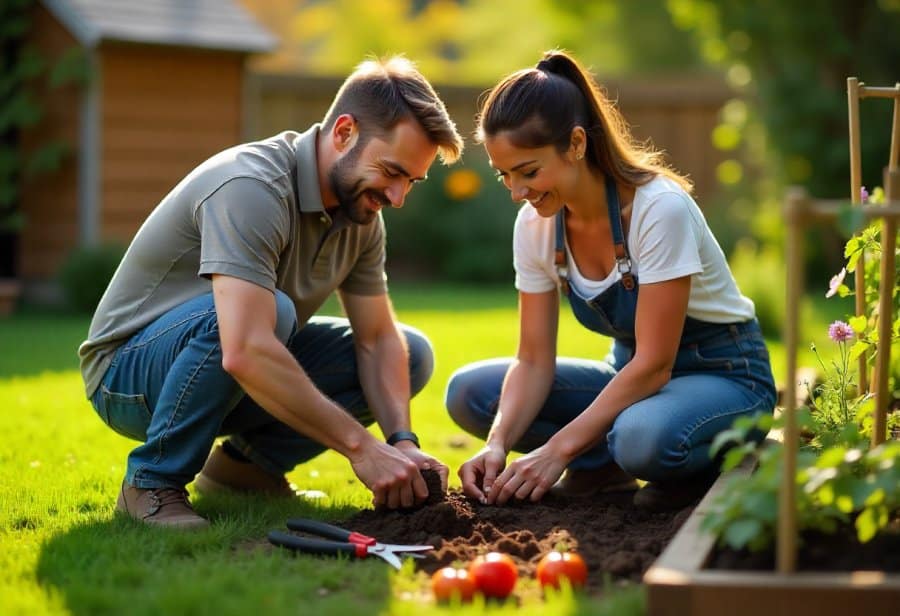
Cultivating Bonds: How Gardening Fosters Deep Connections in a Digital World
In today’s fast-paced, digital world, it’s easy to forget how powerful simple, offline activities can be for building genuine connections. We often rely on quick messages, social media updates, and virtual chats to stay in touch, but these exchanges rarely substitute for real, face-to-face moments. Gardening together offers a gentle reminder that true bonds are cultivated through shared effort and presence, not just virtual interactions.
When two or more people work side by side in a garden, something shifts. The act of planting seeds, watering rows, or harvesting vegetables creates a natural rhythm that encourages cooperation and conversation. These moments are unhurried and rooted in the physical world, free from screens and distractions. Over time, they foster trust and understanding in ways that words alone often can’t achieve.
Gardening isn’t just about tending plants; it’s about nurturing relationships. As people care for something living, they learn patience, cooperation, and empathy—qualities that deepen emotional ties. Working together in the dirt helps break down barriers and opens the door for honest, meaningful dialogue. It’s a quiet space where vulnerability can emerge naturally, strengthening bonds without pressure or pretense.
The physical act of gardening also provides a restorative break from the noise of digital life. Feeling soil between your fingers, smelling fresh flowers, or watching a seed sprout grounds you in the present moment. Sharing these experiences amplifies their healing effect, creating a sense of collective achievement and pride. Watching a garden flourish through teamwork becomes a powerful symbol of what can happen when people invest time and care into each other.
In a world that often feels disconnected, outdoor activities like gardening stand out as accessible, meaningful ways to reconnect. They remind us that genuine connection requires patience, effort, and presence—qualities that grow naturally in the soil. By stepping outside and tending to life together, we can rebuild trust, deepen emotional intimacy, and turn simple outdoor work into a pathway for healing and stronger bonds.
Healing Through Nature: The Therapeutic Power of Gardening
Spending time in nature has long been recognized for its healing effects, and gardening takes these benefits a step further by engaging us in a tactile, mindful way. When you dig into the soil, plant seeds, or tend to your garden, you give your body and mind a break from everyday stressors. The physical activity involved in working with plants can lower cortisol levels, which are linked to stress and anxiety, helping you feel calmer and more centered. Watching growth and change in your garden fosters a sense of accomplishment and hope, reinforcing a positive connection with the natural world.
Gardening isn’t just about the plants; it’s a practice rooted in centuries of therapeutic use across cultures. Ancient civilizations like Egypt and China believed that connecting with nature could restore balance to the mind and body. Gardens were seen as spaces of healing—places for spiritual and physical renewal. Even in more recent history, monastic and Zen gardens were designed to promote mindfulness and emotional clarity, showing that tending plants has always been linked to well-being.
Modern science supports these ideas, demonstrating that exposure to green spaces can significantly reduce stress hormones and improve mood. Just a few minutes outdoors in a garden can boost feelings of happiness and relaxation. The sensory experience—touching soil, smelling flowers, hearing birds—heightens mindfulness and helps people stay present in the moment. Sharing these experiences with others transforms gardening into a powerful tool for emotional healing, turning a simple activity into a shared journey of renewal.
Beyond individual benefits, gardening naturally fosters emotional connection and mutual growth. As you plant, water, and harvest together, you nurture trust and patience. Watching the fruits of your labor—whether vibrant flowers or ripe vegetables—builds pride and a sense of shared achievement. These collective moments of effort create bonds that are resilient and meaningful, especially when reinforced through routines like watering or tending to the garden regularly.
The act of caring for a garden also offers a gentle path for emotional processing. Creating a quiet space for reflection, or simply sitting in the garden’s calm, allows individuals to unwind and process feelings. These peaceful moments reinforce that gardening isn’t just about tending plants, but about nurturing emotional well-being. Small gestures—like exchanging plants or sharing stories about growth—transform the garden into a sanctuary for emotional support and connection.
Ultimately, gardening provides a natural, accessible way to heal and reconnect. It shifts focus from digital distractions to something tangible and alive, encouraging genuine interaction and mindfulness. The physical act of working in nature helps break down emotional barriers, fostering trust and openness. As the garden flourishes, so too does the emotional resilience of those who nurture it, reminding us that healing often begins with tending to life—and ourselves—through the simple act of caring for the earth.
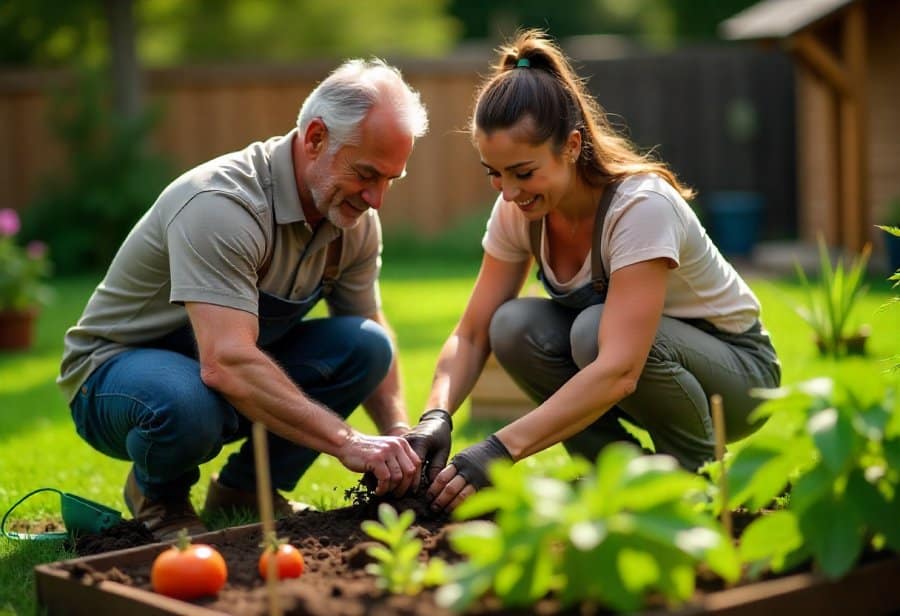
From Disconnect to Connection: Reclaiming Presence Through Outdoor Activities
In today’s world, it’s easy to feel more connected online than in person. We send quick messages, scroll endlessly through social feeds, and share snippets of our lives with just a few taps. But these digital exchanges often lack the depth and nuance of real-world interactions. The warmth of a genuine smile, the subtle cues in body language, and the comfort of shared silence can’t be captured behind screens. As a result, many of us find ourselves feeling more isolated despite being “connected” around the clock.
Gardening offers a natural antidote to this digital disconnect. When we step outside and dig into the soil, we reconnect with a tangible, physical world that’s alive and immediate. Working side by side with someone in a garden involves more than just physical effort—it’s about sharing a space and a purpose that demands presence and attentiveness. The rhythm of planting, watering, and tending to plants creates a mindfulness that screens simply can’t replicate, fostering genuine interactions rooted in the here and now.
Unlike the fleeting nature of digital communication, outdoor activities like gardening require patience and cooperation. These shared efforts cultivate trust and understanding, encouraging conversations that flow more naturally in the quiet, focused environment of a garden. Touching soil and handling plants heightens sensory awareness, grounding your attention in the present moment and making it easier to forget about notifications and distractions.
Nature’s calming influence plays a crucial role here. Being outdoors reduces stress, making it easier to be open and authentic with others. The slower pace of gardening invites meaningful dialogue—moments of shared reflection that deepen emotional bonds. As you work together, you create routines and rituals that reinforce a sense of connection, turning the garden into a space where trust and mutual support flourish.
Spending time in green spaces has proven mental health benefits—lower stress, improved mood, and increased feelings of well-being. When these experiences are shared, they become powerful tools for emotional healing. The act of caring for plants together fosters patience and resilience, creating a bond that’s rooted in shared effort and success. Watching a garden thrive because of teamwork reminds us that genuine connection grows best with attention and care.
Gardening also helps break down the barriers that screens can erect. In a physical, outdoor setting, there’s no need for filters or curated personas. People tend to open up more easily when engaged in a common task, and the shared experience of nurturing life encourages honest conversation and empathy. These moments of genuine connection can be surprisingly intimate, helping to rebuild trust and emotional closeness.
Ultimately, gardening transforms disconnection into presence. It shifts focus from digital distractions to something real, tangible, and alive. Working in the soil together creates space for authentic communication, mindfulness, and vulnerability. As relationships are nurtured through shared effort, the garden becomes a symbol of resilience—proof that the most meaningful bonds are cultivated through patience, presence, and care.
Grounded in Care: Practical Strategies to Strengthen Relationships Through Gardening
To build a strong connection through gardening, start with simple, collaborative activities that encourage teamwork and open dialogue. Planting seeds together creates a positive beginning, giving each person a role—watering, weeding, or transplanting—that fosters cooperation. These small, shared tasks set a routine that keeps everyone engaged and involved, making conversations flow more naturally around the plants and progress. Establishing regular routines, like watering at the same time each day, adds a sense of familiarity and comfort that deepens emotional bonds over time.
Harvesting the fruits of your labor offers another meaningful moment to connect. Gathering vegetables or flowers together not only celebrates your shared effort but also sparks pride and joy in what you’ve cultivated. Creating rituals—such as checking on the garden daily or celebrating a successful bloom—fosters consistency and a sense of teamwork. These routines help turn gardening into a comforting shared experience that naturally strengthens your relationship.
Physical touch and joint effort in gardening open the door for emotional exchanges. Tasks like pruning or watering require patience and cooperation, often leading to conversations about hopes, challenges, or memories. The garden becomes a safe space where feelings surface organically, without pressure. Over time, this shared rhythm nurtures trust and partnership beyond the activity itself, making every moment in the garden more meaningful.
Gardening also provides opportunities for quiet reflection and emotional healing. Setting aside moments to sit and observe or meditate in the garden nurtures calm and mindfulness. These peaceful pauses reinforce that gardening isn’t solely about plants, but also about caring for emotional well-being. Small gestures—exchanging plants, sharing stories, or simply sitting together—further deepen the connection and foster mutual support, turning the garden into a sanctuary for emotional growth.
Pay attention to how shared gardening influences your relationships. Notice increased patience, more open conversations, or a greater willingness to work through frustrations together. Reflecting on these moments, whether through journaling or simple discussion, highlights how tending to the soil also cultivates trust and understanding. Approaching gardening as a shared act of care plants the seeds for a deeper, lasting bond that can flourish beyond the garden bed.
By embracing these practical strategies, gardening becomes more than a hobby—it transforms into a powerful tool for building emotional resilience and connection. The effort you put into nurturing plants mirrors the patience and attention needed in relationships. These small acts of care and cooperation create a strong foundation, turning shared outdoor work into a meaningful ritual that enriches your bonds and promotes mutual growth. For more on this topic, the Mayo Clinic highlights how gardening can support health, reduce stress, and connect us with nature. Click here to read the full article.
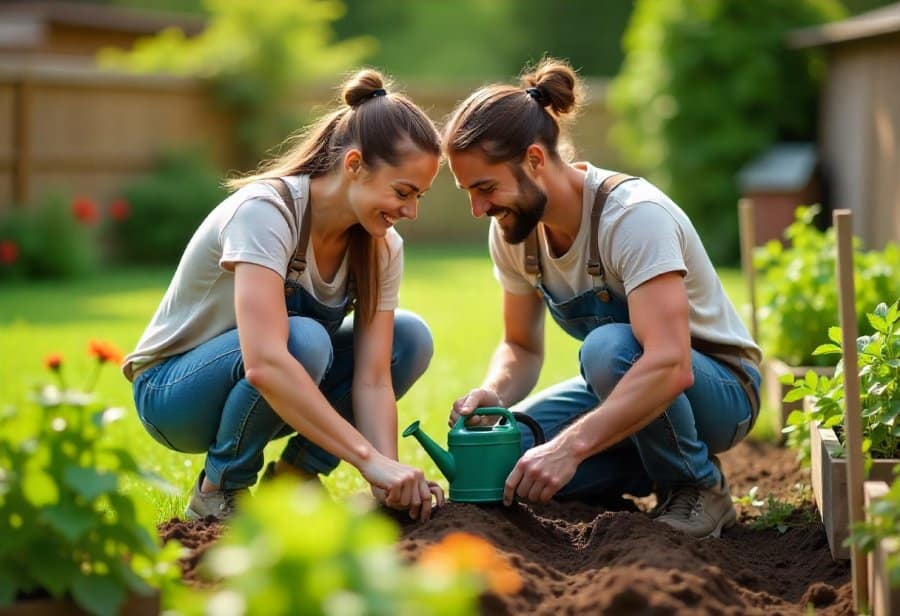
Reaping Emotional Fruits: How Gardening Together Builds Resilience and Trust
Tending a garden together does more than grow plants; it creates a space where emotional bonds can flourish. Working side by side in the dirt teaches patience, cooperation, and trust—key ingredients for strengthening relationships. As you nurture life with someone else, barriers tend to fall away, and honest, meaningful conversations emerge more naturally. Watching the results of your shared effort—whether it’s a colorful bloom or a basket of fresh vegetables—kindles a sense of pride and collective achievement that words alone can’t fully capture.
The act of caring for a garden also instills a sense of purpose and calm, offering a restorative experience that benefits emotional well-being. When engaged in the quiet rhythm of planting, watering, or harvesting, your mind relaxes and your focus sharpens on the present moment. Doing this with someone else turns those moments into opportunities for connection—moments where vulnerability can surface and trust deepen. Over time, these small daily interactions become the foundation of a resilient, supportive bond rooted in shared effort.
Just like a garden needs consistent care to thrive, relationships grow stronger when nurtured over time. Celebrating small victories, such as a healthy sprout or a vibrant flower, reinforces the idea that mutual effort pays off. These moments of success serve as reminders that patience and teamwork are essential, not just for the garden’s health but for the health of your relationship. As you watch things flourish because of your joint care, it’s hard not to see the parallels to the growth possible in your connection with others.
Gardening also acts as a metaphor for relationships, illustrating that growth often takes time and that setbacks are part of the process. The tangible results—flowers blooming or vegetables ripening—are proof that nurturing something together makes a difference. These shared achievements boost confidence and foster trust, making your bond more resilient against future challenges. The simple act of working in the soil becomes a powerful reminder that patience, care, and persistence are key to lasting connection.
In a world increasingly pulled in different directions, gardening offers a quiet, intentional way to reconnect. It shifts focus from screens and distractions to something real, tangible, and alive. The physical act of working together in nature encourages genuine communication and authentic presence. These shared outdoor experiences develop trust and emotional closeness that can carry over into other areas of life, strengthening your relationships far beyond the garden bed.
Making gardening a regular ritual plants the seeds for deeper emotional resilience. The effort you invest mirrors the care needed in relationships—both require patience, attention, and a willingness to grow together. Watching your garden thrive because of your shared effort becomes a symbol of what’s possible when love and connection are nurtured with intention. These moments of growth and shared success remind us that, sometimes, the most profound bonds are cultivated in the quiet, persistent work of tending to life side by side.