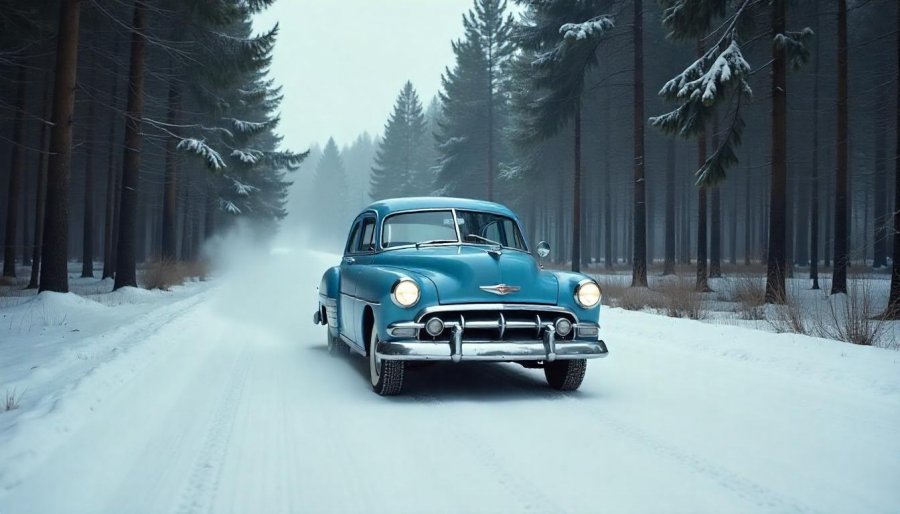
Step into the roaring heart of the muscle car era with the iconic 1970s Chevrolet SS, a symbol of raw power and rebellious style. These machines weren’t just vehicles—they were expressions of daring attitude, combining aggressive design with thunderous V8 engines that defined American performance. From the legendary Chevelle SS 454 to the bold aesthetics of period-specific colors and racing stripes, each car encapsulates a moment when horsepower reigned supreme. But beyond their technical prowess, these cars became cultural icons, fueling a community of enthusiasts passionate about restoration, shows, and shared stories. Today, their legacy continues to inspire, blending vintage nostalgia with modern innovation and sustainability efforts. As enthusiasts preserve and celebrate these symbols of independence and ingenuity, one must ask: will the roaring spirit of the muscle car era endure, or will it evolve into something even more extraordinary?
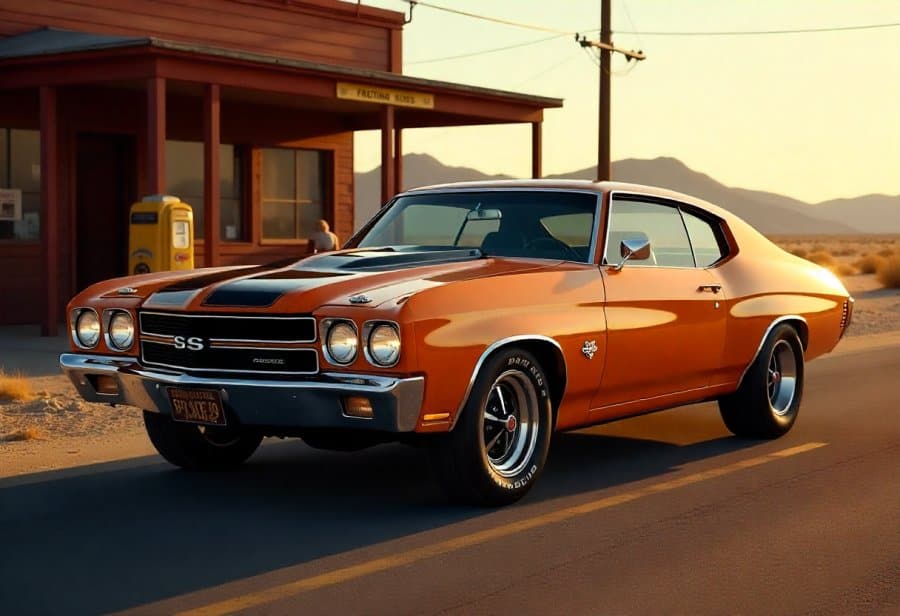
Unleashing the Iconic Power of the 1970s Chevrolet SS
The 1970s Chevrolet SS stands out as a quintessential symbol of the muscle car era, capturing the bold spirit and raw power that defined American performance cars of the time. These vehicles weren’t just transportation; they were rolling expressions of attitude, rebellion, and unrestrained speed. Whether in the form of the Chevelle SS 454 or the Camaro SS, they commanded attention with their aggressive styling and commanding presence on the road.
This period was marked by a surge of innovation in automotive performance. Car manufacturers pushed engine boundaries, creating vehicles that combined eye-catching aesthetics with staggering power. The Chevrolet SS models embodied this trend, with the Chevelle SS 454 boasting a massive 7.4-liter V8 engine capable of producing up to 450 horsepower. These cars weren’t just about speed—they made a statement, embodying the daring attitude of a generation eager to break free.
Design played a crucial role in defining their legendary status. Wide, muscular bodies with low profiles and aggressive lines became signature features, complemented by period-specific details like racing stripes, chrome accents, and rally wheels. Bright colors such as Hugger Orange and Rallye Green showcased their fierce personalities, while every curve and detail evoked energy and speed.
Beyond their technical prowess and bold aesthetics, muscle cars like the Chevrolet SS became cultural icons. They appeared in movies, music, and advertisements, reinforcing their image as symbols of American grit and independence. Enthusiasts didn’t just see them as vehicles—they saw them as embodiments of a daring, adventurous spirit that could hardly be contained.
The deep, resonant engine sounds—especially the iconic roar of the Chevelle SS 454—became a defining feature, resonating with fans long after the engine had stopped. These sounds weren’t just noise; they were a visceral declaration of power, a rallying cry for those who valued performance and attitude above all.
The legacy of these cars endures because they encapsulate a moment when horsepower reigned supreme and design was about making an impact. They represent more than vintage vehicles; they are symbols of a daring, innovative era that continues to inspire enthusiasts and collectors alike. The Chevrolet SS and its peers remain powerful reminders of America’s golden age of muscle cars.
Setting the Stage: The Birth of Muscle Cars in the 1960s and 70s
The development of muscle cars in the 1960s and early 1970s marked a pivotal chapter in American automotive history. Automakers began pushing engine boundaries to meet a rising demand for more power and bolder styling, transforming ordinary cars into high-performance machines. The era saw the rise of legendary models like the Pontiac GTO, Ford Mustang, and Dodge Charger, which became symbols of youthful rebellion and individualism. These cars weren’t just about getting from point A to B—they were about making a statement on wheels.
Technological innovation fueled this muscle car revolution. Manufacturers experimented with larger, more potent engines—particularly big-block V8s—that could deliver staggering horsepower and torque. These engines gave the cars their thunderous growl, a sound that still echoes in enthusiasts’ memories today. Performance was only part of the story; aesthetics played an equally vital role. Wide, muscular bodies, low stances, and aggressive lines created an unmistakable presence, complemented by racing stripes, chrome accents, and rally wheels that underscored their high-performance identity.
Cultural shifts of the 1960s and early 1970s also helped shape this automotive arms race. Amid social upheaval and a desire for freedom, muscle cars became more than just transportation—they became symbols of daring independence. Car companies competed fiercely, each trying to outdo the others with more horsepower and eye-catching designs. Chevrolet’s response was the introduction of models like the Chevelle SS 454, which embodied the era’s bold spirit with its massive 7.4-liter V8 engine capable of producing up to 450 horsepower.
Design details contributed heavily to their legendary status. Period-specific touches like racing stripes, rally wheels, and bright colors—such as Hugger Orange and Rallye Green—made these cars stand out even when parked. Every curve and contour was crafted to evoke energy, speed, and attitude, transforming these vehicles into rolling expressions of rebellion. The deep, resonant exhaust note, especially from models like the Chevelle SS 454, became a visceral hallmark, announcing their power long before they even reached full speed.
The influence of this era extends well beyond nostalgia. The design cues, engineering feats, and performance ideals established during the golden age of muscle cars continue to inspire modern vehicles. Today, enthusiasts and restorers keep the legacy alive through preservation and innovation, ensuring that the daring spirit of the 1960s and 1970s remains a vital part of American automotive culture. These cars aren’t just relics—they are timeless symbols of boldness, freedom, and raw power.
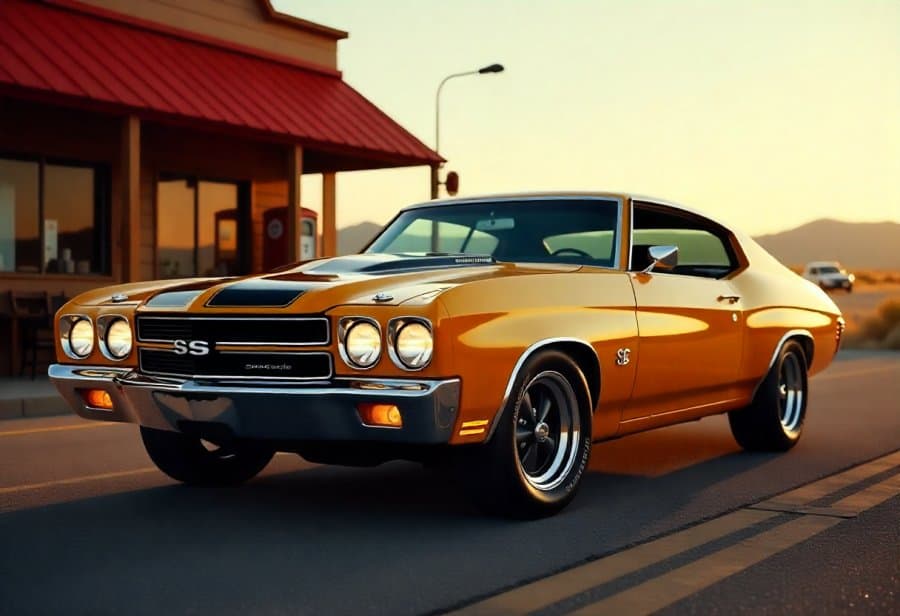
The Peak of Power: How Muscle Cars Defined an Era of Rebellion
The late 1960s and early 1970s marked the apex of the muscle car era, a period when American automakers competed fiercely to produce the most impressive machines on the road. Vehicles like the Pontiac GTO, Dodge Charger, and Ford Mustang didn’t just serve as transportation—they became symbols of rebellion, freedom, and daring individualism. Their roaring engines and aggressive styling turned heads and captured imaginations, fueling a cultural movement that celebrated power and performance.
The sound of these cars was unmistakable. The deep, guttural growl of big-block V8s, especially during acceleration, announced their presence with authority. Visually, they featured bold, muscular lines, low stances, and signature details such as racing stripes, chrome accents, and rally wheels. Engine options often exceeded 400 horsepower, with some reaching around 450, giving these cars an almost mythical reputation for raw speed and dominance. They weren’t just fast—they commanded respect and attention wherever they went.
More than just machines, these muscle cars became cultural icons deeply embedded in American life. They appeared in blockbuster movies, album covers, and advertisements, reinforcing their status as symbols of grit and independence. Enthusiasts formed tight-knit communities, restoring, customizing, and showcasing these vehicles at car shows and gatherings. This shared passion kept the muscle car spirit alive and thriving, turning these cars into more than just transportation—they became a way of life.
Design also played a crucial role in their legendary status. Wide, muscular bodies with low profiles and aggressive contours made them visually striking. Bright colors like Hugger Orange and Rallye Green shouted their bold personalities, while period-correct details such as racing stripes and rally wheels underscored their high-performance roots. Every line and curve was crafted to evoke energy, speed, and attitude, transforming each car into a rolling symbol of rebellion and daring.
This golden age wasn’t solely about aesthetics and horsepower—it was about capturing a zeitgeist of daring innovation and fearless expression. The roar of these cars, the visual impact of their design, and their cultural presence created a legacy that endures today. They set the standard for what a muscle car could be—powerful, stylish, and unapologetically bold—leaving an indelible mark on American automotive history.
Today, the influence of this peak period continues to resonate. Modern muscle cars draw inspiration from these legendary models, blending vintage aesthetics with cutting-edge technology. Enthusiasts and restorers keep the spirit alive through ongoing projects and community events, ensuring that the daring, adventurous attitude of the golden age remains vibrant. These iconic vehicles are more than relics—they are enduring symbols of American ingenuity and the relentless pursuit of performance.
Connecting with the Heartbeat of Muscle Car Culture
Connecting with muscle car nostalgia goes beyond owning a vintage vehicle; it’s about immersing yourself in a community that celebrates the daring spirit of the golden age of muscle cars. Joining local car clubs or online forums dedicated to classic muscle cars offers a space to share restoration tips, swap stories, and showcase your projects. These communities foster camaraderie among enthusiasts who understand the pride in bringing a Chevrolet SS or other iconic models back to life. Attending car shows and muscle car events keeps the culture vibrant, allowing you to see firsthand the passion that fuels this ongoing legacy.
Restoring a muscle car like the Chevrolet SS requires patience, research, and practical skills. Starting with a clear budget helps manage expectations, since restoration often involves ongoing costs beyond the initial purchase. Seek out well-documented cars with minimal rust and solid engines—originality often adds value and authenticity. Connecting with experienced restorers through online communities or local clubs can provide invaluable advice on sourcing parts, troubleshooting issues, and maintaining the vehicle’s character. These relationships not only make the process smoother but also deepen your appreciation for the craftsmanship behind these machines.
Showcasing a vintage muscle car today involves more than just the vehicle itself; it’s about creating an engaging display that highlights its history and personality. Car shows remain popular venues for presenting bold paint jobs, period-correct accessories, and custom touches that reflect the model’s era. Social media platforms amplify this effort, enabling you to share high-quality photos and detailed stories with a global audience. Using hashtags related to muscle car nostalgia or vintage Chevrolet models connects your project with others who share your passion, broadening your reach and inspiring fellow enthusiasts.
Building a connection with muscle car culture also means continuous learning. Understanding the original specifications and engineering behind models like the Chevelle SS 454 deepens your appreciation and guides authentic restoration. Attending specialized events, joining online discussions, and exchanging tips with seasoned restorers expand your knowledge and skills. Documenting your progress and sharing updates—whether through social media or local meet-ups—keeps your enthusiasm alive and encourages others to join the community.
Engagement with muscle car culture creates a sense of belonging that sustains the passion for these vehicles. Participating in community events, restoration projects, and online forums helps preserve the legacy of the muscle car era. Every story shared and every car restored contributes to a collective effort that keeps the rebellious, energetic spirit of these machines alive. Your involvement not only fuels your personal enthusiasm but also ensures that future generations understand the daring attitude and craftsmanship that made these cars iconic.
Being part of this community also offers opportunities for mentorship and skill sharing. Experienced restorers often welcome newcomers, offering guidance on everything from engine tuning to paint finishing. These exchanges foster a tradition of knowledge transfer, ensuring that the craftsmanship and passion for muscle cars are passed down. By mentoring others or seeking mentorship yourself, you help keep the culture vibrant and rooted in a shared love for American horsepower legends.
Participation in muscle car events and online groups transforms solitary restoration into a shared experience. Showcasing your project at local meets or on social media not only celebrates your hard work but also inspires others to pursue their own restoration dreams. The collective enthusiasm creates a dynamic environment where stories, tips, and admiration flow freely, reinforcing the idea that muscle car culture is about community as much as it is about cars.
Ultimately, engaging with muscle car nostalgia is about more than admiration—it’s about active participation. Whether through restoring a vintage Chevrolet SS, attending shows, or sharing your journey online, each effort contributes to a legacy rooted in daring innovation and rebellious spirit. As this community continues to grow, so does the vibrancy of the culture, ensuring that the roar of these legendary machines remains alive and inspiring for generations to come.
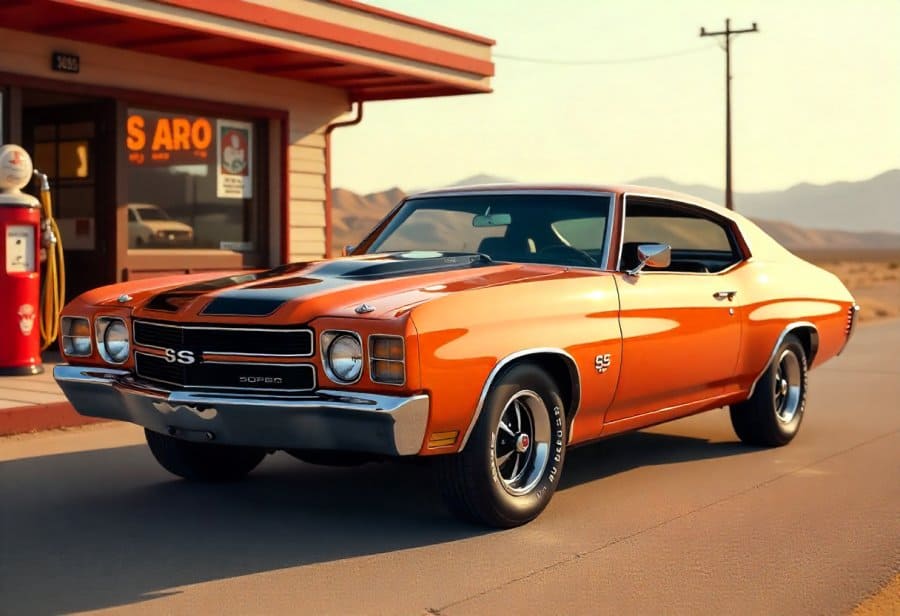
Legacy and Future: The Enduring Spirit of Muscle Cars
The legacy of the 1970s Chevrolet SS reminds us that muscle cars are more than just powerful machines—they are symbols of a bold, rebellious spirit that defined an entire era. Today, this nostalgia continues to inspire modern automotive design, with manufacturers drawing on the classic cues of the golden age to craft vehicles that evoke the same sense of freedom and performance. From aggressive styling to roaring engines, the influence of these iconic cars is evident in today’s high-performance models that merge vintage appeal with cutting-edge technology.
Enthusiast communities and collectors play a vital role in keeping this history alive. Restorations of models like the Chevelle SS 454 demonstrate how deeply these vehicles are woven into American culture. Each restored car not only preserves a piece of automotive history but also celebrates craftsmanship and daring innovation. As more enthusiasts dedicate time and resources to these projects, they reinforce the enduring spirit of rebellion and performance that made muscle cars legendary. Their passion ensures that the stories of these machines are passed down and continue to inspire new generations.
The lessons from the muscle car era extend beyond design and horsepower—they highlight the importance of pushing boundaries and challenging norms. During that time, automakers weren’t just building cars; they created cultural symbols that communicated strength, independence, and daring. These ideals still resonate today, reminding us that taking risks and thinking differently can lead to lasting impact. The boldness that defined the golden age encourages both designers and drivers to embrace innovation with confidence.
Looking ahead, the future of muscle cars seems poised to blend heritage with innovation. Modern manufacturers are drawing inspiration from vintage models while integrating advanced engineering and eco-friendly powertrains. Electric and hybrid muscle cars aim to deliver the same adrenaline and style without compromising environmental responsibility, ensuring the spirit of performance remains relevant. This evolution respects the past while paving the way for a new chapter, where sustainability and power coexist.
Restoration projects and car shows continue to fuel excitement and engagement. As more enthusiasts invest in preserving and recreating these vehicles, they help sustain the vibrant culture that surrounds muscle cars. Social media platforms further amplify this passion, allowing fans worldwide to share stories, projects, and admiration. This digital community keeps the energy alive, ensuring the roar of these legendary machines continues to inspire both old and new fans.
Beyond technical innovation, muscle cars embody a mindset—one that celebrates daring creativity, individualism, and resilience. Their story is a testament to how challenging conventions can produce legends that endure far beyond their initial debut. The ongoing dialogue between past achievements and future possibilities guarantees that the spirit of the 1970s Chevrolet SS—and all muscle cars—will continue to motivate and captivate for generations. Their roar is more than nostalgic; it’s a call to keep pushing boundaries, dreaming big, and never losing sight of the bold attitude that made these cars icons.