Few moments capture the pure joy of life better than a dog’s outdoor walk, where curiosity, trust, and happiness intertwine amidst nature’s beauty. These outings are more than physical exercise—they’re vital rituals that deepen the bond between dogs and their owners, fostering emotional wellbeing, confidence, and mental stimulation. But what is it about these simple activities that so profoundly impact a dog’s happiness? From the primal thrill of scent exploration to the calming effects of sunlight and fresh air, outdoor walks awaken a dog’s natural instincts and promote overall health. As the landscape of dog activities evolves—hiking, agility, off-leash adventures—so too does our understanding of how crucial these shared experiences are. Could incorporating more outdoor time into daily routines unlock even greater joy and harmony? Ultimately, these moments in nature serve as gentle reminders that happiness often resides in the simplest acts of discovery and connection.
Discover How Outdoor Walks Ignite Canine Joy and Strengthen Bonds
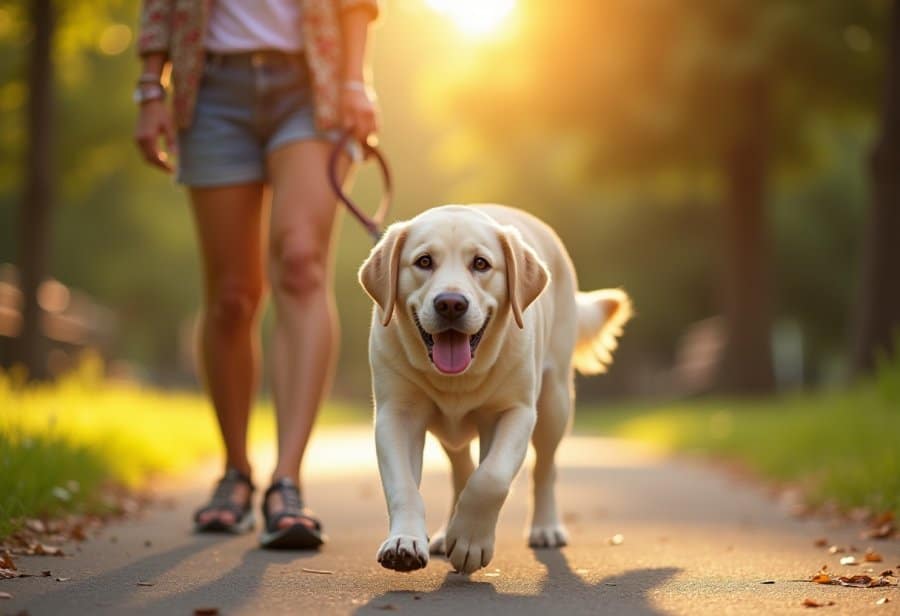
Few moments in a dog’s life bring as much pure joy as a sunny walk in the outdoors. It’s not just about moving from one place to another; it’s about the simple pleasure of exploring new scents, sights, and sounds that awaken their senses. These outings are more than exercise—they’re celebrations of life and connection, where a wagging tail and bright eyes reveal genuine happiness. When a dog is outdoors, every sniff and stride reinforces their natural instincts and curiosity, making each walk a source of mental and emotional fulfillment.
Outdoor walks also deepen the bond between dogs and their owners. Sharing these experiences creates trust and mutual affection, transforming routine outings into meaningful moments of companionship. Small interactions like a gentle pat or an encouraging word during a walk help build a foundation of love and understanding that lasts a lifetime. For dogs, their owner’s presence turns a simple walk into a comforting adventure, reinforcing feelings of security and belonging.
The sensory stimulation during outdoor walks is especially significant. Bright sunlight filtering through trees, the rustling of leaves, and a trail of new scents awaken a dog’s natural curiosity. These experiences tap into their ancestral instincts, reminding them of a time when exploring was crucial for survival. Engaging with the outdoors provides mental enrichment, helping to reduce boredom and stress. It’s no wonder that dogs often emerge from these walks calmer, more confident, and happier.
Beyond the physical benefits, these outings support emotional well-being. Regular walks help control weight, strengthen muscles, and promote cardiovascular health. Equally important, they offer a mental escape that reduces anxiety and behavioral issues. Sharing these moments in nature allows dogs and owners to reconnect, breathe fresh air, and enjoy a peaceful break from daily stresses. In this way, outdoor walks become vital routines that nurture both body and mind.
Ultimately, outdoor walks are at the heart of a dog’s happiness. They foster a sense of freedom, exploration, and trust, turning everyday routines into treasured rituals. These simple moments in nature remind us that happiness often resides in the small, shared experiences—those quiet joys of being together, discovering the world side by side. Prioritizing outdoor time enriches the bond and helps ensure a joyful, balanced life for both pets and their owners.
Unveiling the Biological and Psychological Roots of Dog Happiness in Nature
Dogs are naturally wired to thrive outdoors, thanks to their evolutionary past as explorers and hunters. When they hit the trail, their brains respond in ways that boost happiness and overall well-being. Central to this is their extraordinary sense of smell; with olfactory systems far more powerful than ours, every outdoor walk becomes a fragrant adventure. As dogs sniff the grass, flowers, or traces left by other animals, they activate neural pathways that release feel-good chemicals like dopamine and serotonin. This sensory stimulation not only sharpens their minds but also significantly reduces stress, making each walk deeply rewarding.
The roots of a dog’s love for outdoor environments trace back to their wild ancestors, who spent much of their lives exploring vast terrains, hunting, and marking territory. Many of these behaviors still drive their instincts today. When outside, dogs instinctively seek out new scents, investigate their surroundings, and engage in territorial behaviors like sniffing and marking. These activities fulfill primal drives, giving them a powerful sense of purpose. It’s as if they’re reconnecting with their ancestral lifestyle in a routine that keeps their minds engaged and their spirits fulfilled.
Scent exploration is perhaps the most distinctive reason dogs find outdoor walks so fulfilling. Their sense of smell is estimated to be thousands of times more sensitive than ours, turning every outing into a fragrant feast. Sniffing allows them to gather vital information—tracking other animals, recognizing familiar spots, or simply indulging in discovery. This activity activates their olfactory bulbs and triggers neurochemical responses that foster happiness and curiosity. The act of scent marking, where dogs deposit their scent, also stimulates their brain and reinforces positive feelings, creating a cycle of exploration and reward that keeps their minds active and emotionally balanced.
Physical activity during walks isn’t just about movement; it triggers biological responses that elevate mood. Running, jumping, or walking briskly releases endorphins—the body’s natural feel-good chemicals. This biological boost is similar to the rush humans experience after exercise. Regular movement helps keep muscles strong, supports cardiovascular health, and maintains a healthy weight. But beyond the physical perks, these moments of activity boost confidence and help diminish anxiety, leaving dogs with a calm, happy demeanor that’s evident in their relaxed body language and wagging tails.
Beyond immediate benefits, consistent outdoor activity supports overall health—mentally, physically, and emotionally. Exploring new scents and environments keeps their minds sharp and resilient, while physical exercise prevents boredom and behavioral issues. These routines also build trust and security, strengthening the bond with their owner. Over time, this ongoing engagement helps dogs develop into confident, well-rounded companions who find joy in the simple act of being outdoors, making each walk a vital source of happiness rooted in their primal nature.

Exploring Modern Trends and Diverse Outdoor Activities for Dogs and Their Owners
In recent years, outdoor activities for dogs have grown far beyond simple park walks. Today’s pet owners are eager to find engaging ways to keep their dogs active, mentally stimulated, and connected to nature. Hiking has become a popular choice, offering dogs the chance to explore diverse terrains, scents, and sights while getting a good workout. These adventures not only promote physical health but also create shared experiences that strengthen the bond between owner and pet.
Alongside hiking, agility training has gained traction, especially in urban settings where space can be limited. Setting up obstacle courses at local parks or dedicated training centers challenges dogs’ coordination and confidence. These activities are both physically demanding and mentally rewarding, making them ideal for energetic breeds or dogs that need extra stimulation. They also reinforce good behavior and deepen trust, contributing to overall canine happiness.
Playful pursuits like fetch or frisbee remain favorites, but owners now often take these games to open fields or specialized dog parks designed for off-leash fun. Such spaces allow dogs to run freely, chase, and indulge in natural instincts like scent marking and chasing. Off-leash play reduces boredom, prevents behavioral issues, and encourages dogs to express themselves fully in a safe environment. These options make outdoor fun more dynamic and fulfilling for dogs of all ages.
Regional differences influence outdoor activity choices as well. Rural or suburban areas often provide vast open spaces where dogs can roam freely and explore extensively. City dwellers, meanwhile, rely on nearby parks, community events, or organized social outings. Despite the variations, the goal remains the same: enriching a dog’s outdoor experience to promote happiness, mental engagement, and physical health. Responsible owners prioritize safety by choosing designated off-leash areas or well-maintained trails, ensuring their dogs can enjoy freedom without unnecessary risks.
Technology is also shaping outdoor practices. GPS collars and fitness trackers help owners monitor activity levels and health, while innovations like sensory toys and virtual environments add variety to outdoor outings. These tools enable tailored experiences that cater to each dog’s preferences and needs, making outdoor activities more engaging and accessible. Organized events, fun runs, and community meetups further promote active lifestyles, fostering socialization and shared joy. Overall, the landscape of outdoor activities continues to evolve, offering endless ways for dogs and their owners to enjoy nature’s benefits together.
Transforming Daily Life: The Practical Power of Outdoor Walks for Well-Being
Outdoor walks do more than keep dogs physically active; they weave naturally into daily routines, offering a simple yet powerful way to enhance overall well-being. Regular outings provide dogs with a sense of structure and predictability, which can help reduce anxiety and curb behavioral issues caused by boredom or pent-up energy. For owners, these walks transform everyday chores into meaningful moments of connection, turning routine into an opportunity for mindfulness and shared calm.
These outdoor routines also serve as valuable training opportunities. In real-world environments, dogs learn to respond to commands like “heel,” “sit,” or “leave it” amidst distractions. This ongoing practice not only improves obedience but also builds confidence and trust. Over time, these shared experiences deepen the bond, making daily interactions smoother and more enjoyable for both owner and pet.
Beyond obedience, outdoor walks significantly boost emotional health. Exploring new sights and smells stimulates a dog’s mind, keeping it sharp and engaged. For owners, stepping outside offers a welcome break from screens and daily stresses, providing a peaceful space to breathe, reflect, and reconnect with their pets. These routines foster a sense of stability and calm, benefiting everyone’s mental clarity and mood.
Incorporating outdoor walks into daily life also promotes a healthier lifestyle overall. Regular exercise helps dogs maintain a healthy weight, supports cardiovascular health, and prevents long-term issues. For owners, walking is a low-impact activity that encourages physical activity and mental refreshment. Sharing these moments can spark joy and motivation, turning routine outings into small adventures that enrich daily life.
Finally, these shared outdoor experiences deepen the emotional bond between dogs and their owners. They foster trust, affection, and mutual understanding, transforming routine walks into treasured rituals. Whether it’s a quick stroll or a longer hike, each outing reinforces the relationship, making every day a little brighter. These simple acts of outdoor exploration truly become vital ingredients in a balanced, joyful life for both dogs and humans alike.

Final Reflections: Embracing Outdoor Adventures to Enhance Canine Happiness and Human Connection
Outdoor walks are more than just routines—they are the heartbeat of a happy, balanced life for dogs. These moments in nature nourish both body and mind, blending physical activity, mental stimulation, and emotional connection into one simple experience. Each sniff, each stride, and every peaceful pause in sunlight reinforces a dog’s sense of trust, contentment, and belonging. These small yet profound interactions in the outdoors remind us why shared moments of exploration are so vital to their well-being.
The benefits of outdoor walks extend far beyond physical health. They help curb boredom, reduce anxiety, and foster confidence by engaging a dog’s natural instincts. When dogs explore new scents and environments, their minds stay sharp and resilient. For owners, these walks offer a break from screens and daily stresses, creating a peaceful space for reflection and connection. The routine of stepping outside becomes a calming ritual that nurtures mental clarity and emotional balance for both.
Sharing these outdoor experiences deepens the bond between dogs and their owners. Trust and affection grow through consistent, positive encounters with nature. These walks transform everyday routines into cherished rituals, reinforcing a relationship rooted in understanding and joy. It’s in these quiet, shared moments that mutual love flourishes, making the connection more meaningful with each outing.
Looking at the bigger picture, outdoor walks lay the foundation for a healthier, happier life. They support long-term well-being by helping maintain a healthy weight, improving cardiovascular health, and fostering mental agility. These routines teach dogs adaptability and confidence, making them more comfortable in various environments. Over time, this ongoing engagement shapes resilient, well-rounded companions who find joy in simple outdoor pleasures.
For owners, the value lies in the small acts of daily connection. These walks provide a chance to breathe fresh air, step away from daily chaos, and truly be present with their pets. They turn routine moments into opportunities for mindfulness and joy, strengthening the emotional bond that makes pet ownership so rewarding. In essence, outdoor walks serve as gentle anchors—reminders to pause, explore, and enjoy life’s uncomplicated pleasures.
In the end, the happiness dogs find in outdoor walks is rooted in their primal drives and the special bond they share with their humans. These moments remind us that life’s most meaningful joys are often simple—found in a wagging tail, a curious nose, and the quiet comfort of being together in nature. Prioritizing these experiences enriches both pet and owner, creating lasting memories and a shared sense of well-being that endures through every season.