Imagine transforming lifelong fears into newfound confidence—at any age, this is entirely possible through learning to swim. But what if the biggest obstacle is simply taking that first courageous step? This compelling journey begins with gentle, supportive steps designed to dismantle emotional barriers and build trust in your own body. As you progress from hesitant dips to confident strokes, you’ll discover water not as a source of anxiety but as a space for empowerment, health, and joy. The practice of adult swimming has evolved dramatically, embracing innovative techniques, inclusive community programs, and technological advancements that make overcoming water fears more approachable than ever. Could the future of water confidence be more accessible and inspiring? With ongoing efforts to foster safety, mindfulness, and connection, adults worldwide are redefining what it means to learn to swim—turning water from a challenge into a lifelong source of strength, resilience, and adventure. Are you ready to take the plunge?
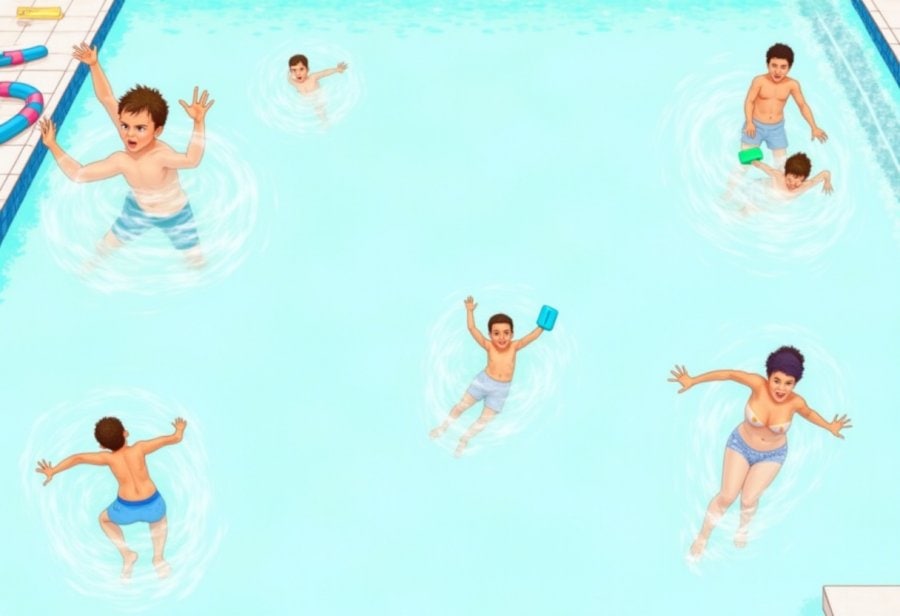
Transforming Water Fears into Confidence at Any Age
Learning to swim isn’t just about mastering strokes or floating—it’s a deeply personal journey that can turn water-related fears into confidence, no matter your age. Many adults carry lifelong anxieties about water—whether it’s a fear of drowning, feeling out of control, or simply feeling uncomfortable in the water. These fears can hold you back from enjoying water activities or feeling safe around pools, lakes, or oceans. The good news is, anyone can learn to swim, and it’s never too late to start.
Taking that first step into the water can be intimidating, especially if negative experiences or childhood fears have left a mark. But each small move—dipping your toes, floating for a moment, or standing at the pool’s edge—becomes a victory. These initial steps are about building trust in your body and creating positive associations with water, rather than rushing to master everything at once. Progress might be slow, but every small success adds up and helps reshape your relationship with water.
Many adults face emotional barriers rooted in past incidents, like feeling helpless or embarrassed. Recognizing that these feelings are common can make it easier to approach learning with patience and self-compassion. With gentle, supportive instruction and gradual exposure, those barriers can be broken down over time. It’s about moving at your own pace and celebrating each milestone—whether it’s floating unaided or simply standing confidently in shallow water.
Learning to swim later in life offers more than just the ability to move through water. It’s an act of reclaiming confidence that can ripple into daily life, making you feel more capable and resilient. As your skills develop, you start to see yourself differently—more in control, more confident. Swimming provides low-impact exercise that benefits both physical health and mental well-being, turning water from a source of fear into a space for growth and empowerment.
The journey isn’t about perfection or speed; it’s about progress. Many adults find that with consistent practice, their fears gradually diminish and their comfort level increases. Every small step forward reinforces that water confidence is within reach at any age. Remember, every swimmer starts somewhere, and the most important thing is to show up and give yourself permission to begin. That first splash, hesitant float, or shy stroke is a move toward freedom and self-assurance.
Tracing the Origins and Cultural Significance of Swimming
Swimming has played a vital role in human history for thousands of years, serving practical, social, and cultural purposes across different societies. In ancient Egypt, Greece, and China, water was more than a resource; it was woven into daily life and tradition. Egyptians learned basic swimming skills out of necessity, navigating rivers and lakes for survival, while the Greeks elevated swimming to a sport and part of their physical education, especially in the Olympic Games. These early practices laid the foundation for understanding water as both a challenge and a source of strength.
In coastal cultures worldwide, swimming took on deeper spiritual and communal significance. Polynesian societies, for instance, have long celebrated their close relationship with the sea through rituals, storytelling, and early childhood exposure. Mediterranean communities, where fishing and trading are integral, passed down swimming skills through generations, emphasizing water safety and social bonds. These cultural attitudes shaped views of water not just as a danger but as an essential part of identity and community life.
The shift from informal, family-based learning to structured swimming education began in the 19th and early 20th centuries. As urban areas expanded, public pools emerged, making swimming accessible to more people. Early lessons focused on survival skills like floating and recognizing danger, reflecting a broader understanding that water safety was crucial. Innovations such as shallow pools and flotation aids made learning easier, especially for adults who might have been hesitant to try swimming later in life.
Throughout history, influential figures and organizations have championed water safety and adult swimming programs. Pioneers like Benjamin Franklin promoted drowning prevention, recognizing swimming as an essential life skill. Groups such as the American Red Cross and the Royal Life Saving Society formalized adult lessons, emphasizing lifelong learning and inclusivity. Their efforts helped dispel the myth that swimming was only for children or athletes, encouraging adults to embrace water confidence at any age.
Different cultures developed unique approaches to water safety and instruction. Coastal societies often promote early exposure, with children learning informally from family and community members. Others view water activities as recreational or competitive pursuits, often reserving them for specific groups. Over time, public education campaigns and community programs have worked to make swimming a universal skill, focusing on safety and confidence rather than competition.
Today, the cultural landscape surrounding swimming continues to evolve. Advances in technology and community outreach are making water confidence more accessible to adults worldwide. Initiatives that foster inclusive, supportive environments help individuals overcome fears rooted in past experiences, reinforcing that it’s never too late to learn. These ongoing efforts highlight how swimming remains a vital part of human culture—one that promotes safety, health, and personal growth across generations.
The deep cultural roots of swimming reflect its importance beyond mere recreation. It symbolizes resilience, community, and survival across countless societies. As more people recognize the lifelong benefits of water confidence, these traditions continue to inspire new generations to face water fears with courage. Swimming’s history reminds us that, regardless of where we come from, water can be a space of empowerment, connection, and transformation.
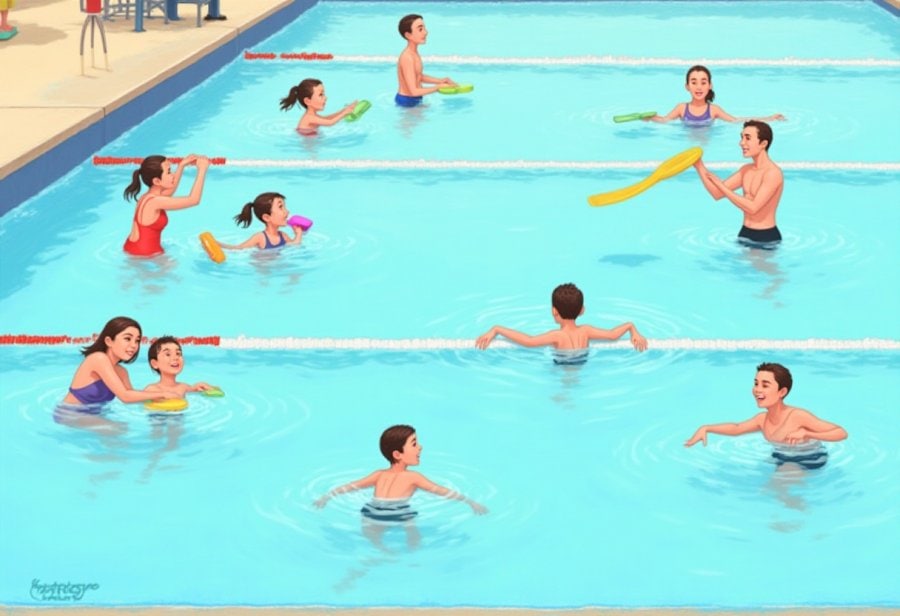
Embracing Modern Attitudes and Inclusive Practices in Adult Swimming
Today, attitudes toward adult swimming education have shifted dramatically, reflecting a broader recognition of swimming as a vital life skill rather than just a childhood leisure activity. More adults are now seeing water confidence as an achievable goal, thanks to increased awareness of water safety and the physical and mental benefits swimming offers at any age. Community centers, workplaces, and local organizations have responded by offering tailored classes designed specifically for adult learners, creating welcoming environments that respect individual fears and paces.
Modern teaching methods emphasize gentle, progressive steps that focus on comfort and confidence. Instructors often start with basic water acclimation techniques, such as breathing exercises and floating, helping adults feel at ease in the water. This approach aims to reduce anxiety by breaking skills into manageable milestones, contrasting with older, more rigid techniques that could overwhelm beginners. It recognizes that emotional barriers—like embarrassment or childhood fears—need patience and understanding to overcome.
Innovations like flotation aids, shallow zones, and adjustable pools have made initial water exposure less intimidating. Many programs incorporate mindfulness and relaxation practices to help adults manage anxiety, addressing emotional responses as much as physical skills. This holistic approach makes learning more approachable, turning water fears into opportunities for growth rather than sources of stress.
Safety remains a cornerstone of adult swimming lessons. Learners are encouraged to stay in shallow areas until they feel confident, and essential skills such as floating, treading water, and safe pool exits are prioritized. Using safety gear like fitted life jackets provides reassurance, allowing adults to focus on building trust in their abilities. These foundational skills foster a sense of security that transforms water from a source of fear into a space of empowerment.
Organizations like the American Red Cross and the Royal Life Saving Society have played a pivotal role in shaping current practices. They develop structured, inclusive programs that emphasize gradual progression and emotional support, making swimming accessible for all adults. Many local pools now host adult-specific classes that foster community and encouragement, helping to dispel myths that it’s too late to learn and inspiring more adults to start their water confidence journey.
Overall, the landscape of adult swimming education is more inclusive and supportive than ever. By embracing gentle techniques, innovative tools, and community-driven efforts, these programs help adults overcome fears and unlock the many benefits of water confidence. Learning to swim at any age is now recognized as a lifelong journey—one that can be approached with patience, optimism, and a sense of possibility.
Practical Benefits of Learning to Swim for Safety, Health, and Confidence
Learning to swim offers practical benefits that extend far beyond simply moving through water. One of the most immediate advantages is improved pool safety. When you know how to float, tread water, or respond calmly in an emergency, you’re less likely to panic and more capable of preventing accidents. These skills build confidence, making water environments feel less threatening and more manageable, whether at a pool, lake, or the ocean.
Beyond safety, swimming provides significant physical health benefits. It’s a low-impact activity that engages multiple muscle groups, making it ideal for adults recovering from injuries or dealing with joint issues. Regular swimming boosts cardiovascular health, flexibility, and overall strength. These improvements help foster a healthier, more active lifestyle, which in turn boosts your confidence and resilience in everyday life.
Mental well-being also benefits from developing water skills. As you improve, feelings of achievement and control grow stronger. Overcoming initial fears—like floating or swimming short distances—can lift your mood and reduce stress. Being comfortable in water often translates into greater confidence in daily situations, helping you feel more at ease in new environments or around water-related activities.
Swimming skills also make everyday experiences safer and more enjoyable. Whether heading to the beach, trying water sports, or simply relaxing in a pool with family, knowing how to swim adds a layer of security. It’s reassuring to recognize that you can handle unexpected situations, such as someone needing help or sudden changes in water conditions. These abilities open up opportunities for social activities and adventures that might have seemed intimidating before.
Each small success—like floating independently or swimming a short distance—strengthens your self-esteem. Seeing tangible progress confirms that learning to swim is possible at any age. This sense of achievement often motivates healthier habits and a more positive outlook, encouraging you to explore more challenging water environments and deepen your water confidence.
Mastering water skills cultivates a lifelong relationship with the water that evolves over time. It’s not just a one-time accomplishment but a foundation for ongoing growth and discovery. Whether teaching your children to swim, trying new water activities, or simply enjoying time in a pool, these abilities make water a safe and welcoming space. They help you navigate water with ease and assurance, transforming it from a source of fear into a space of joy and personal empowerment.
In the end, learning to swim turns water from a source of anxiety into a source of freedom. It’s about building safety, improving health, and boosting confidence—making water accessible and enjoyable at any stage of life. These skills become part of your personal toolkit, supporting a healthier, more adventurous, and more confident life, no matter your age.
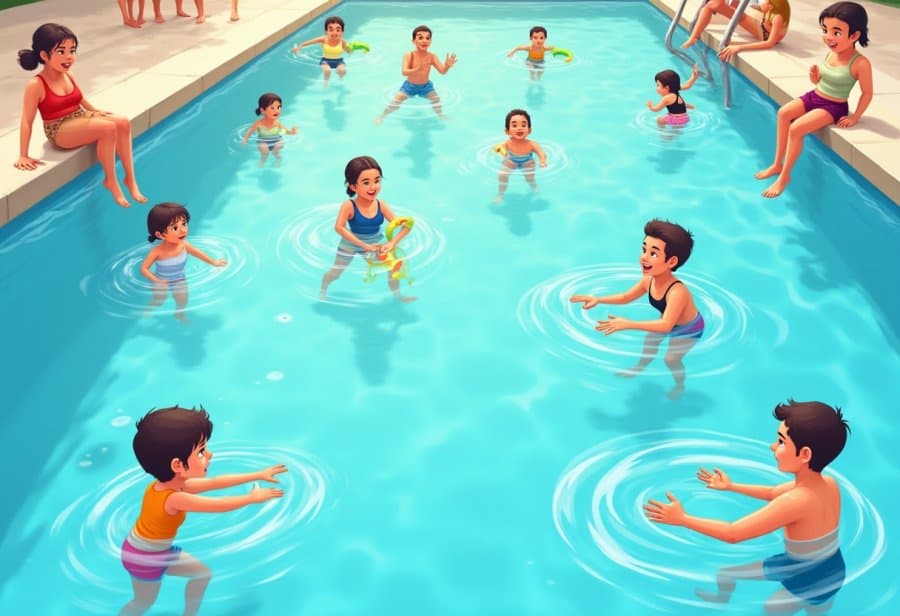
Exploring the Future: Innovations and the Growing Movement for Water Confidence
Looking ahead, the future of adult swimming promises to be more innovative and inclusive than ever before. Technology is playing a growing role, with virtual reality and artificial intelligence offering personalized coaching that helps learners overcome fears and build water confidence at their own pace. These tools make practicing from home or in accessible local pools easier, reducing barriers and making the journey less intimidating. As such innovations become more widespread, they’re set to transform how adults approach learning to swim, making it feel safer, more engaging, and tailored to individual needs.
Community programs and social swimming initiatives are also gaining momentum, creating spaces where adults can connect with others on similar water confidence journeys. These groups foster a sense of belonging, making the process more motivating and sustainable. Seeing peers make progress encourages others to take that first step and stay committed, turning water confidence from a fleeting goal into a lifelong pursuit rooted in shared support. The power of community can be a game-changer, helping adults push past lingering fears and celebrate successes together.
Meanwhile, the focus on mental health benefits continues to grow. More programs are integrating mindfulness, relaxation, and gentle movement techniques into their lessons, highlighting that overcoming water fears is as much an emotional journey as a physical one. This holistic approach opens doors for adults who have experienced trauma or anxiety around water, showing that confidence can be cultivated patiently and compassionately at any age. It underscores that water is not just a challenge but also a space for emotional healing and personal empowerment.
Progress in infrastructure also plays a crucial role. Shallow pools, adjustable depths, and beginner-friendly features are becoming standard in public spaces, inviting more adults to start their water confidence journey. Partnerships between health organizations, tech developers, and local authorities are fostering initiatives that focus on lifelong learning, ensuring that resources and access continue to grow. These improvements help create welcoming environments where adults can learn comfortably and confidently, regardless of their starting point.
As awareness of water safety’s importance expands globally, so does the recognition that swimming is a vital skill for everyone. Advances in technology, community outreach, and education are making it easier to learn and sustain water confidence at any age. The ongoing evolution of adult swimming programs reflects a broader shift toward inclusivity, emphasizing that it’s never too late to embrace water as a space of joy, strength, and resilience. The future holds the promise that more adults will see water not as a source of fear but as a lifelong source of growth and personal freedom.