Beyond her legendary beauty, Cleopatra VII emerges as a master strategist and learned ruler whose true legacy lies in her formidable intellect, diplomatic finesse, and cultural agility. Could a queen’s power truly stem from her mind rather than her charm? Her ability to speak multiple languages, her deep engagement with sciences and philosophy, and her skill in forging critical alliances with Rome’s most influential figures exemplify her strategic brilliance. Navigating a turbulent era of internal decline and external conquest, Cleopatra balanced Egyptian tradition with Hellenistic tactics, demonstrating resilience and adaptability that sustained her reign longer than many expected. Her leadership redefines notions of female authority, emphasizing resilience, continuous learning, and cultural intelligence as vital tools for influence. As modern leaders face complex global challenges, her story challenges us to consider: can mental agility and strategic patience forge a legacy that endures beyond time and conquest?
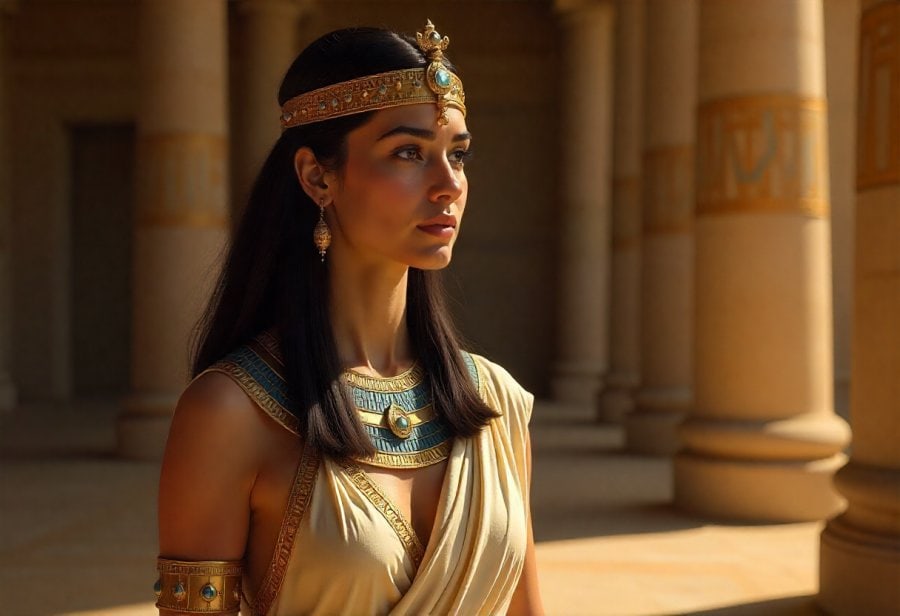
Cleopatra VII: Beyond Myth, A Strategist and Scholar
Cleopatra VII is often remembered through stories of beauty and romance, but her true significance goes far beyond mythic images. She was a highly skilled and strategic leader who understood the complexities of her world. As the last pharaoh of Egypt, her reign was marked by sharp political insight and a mastery of diplomacy that helped her navigate a turbulent era. Her ability to balance internal stability with external alliances kept Egypt independent longer than many expected, demonstrating her strength as a ruler rooted in intelligence and strategic vision.
Despite the romanticized tales, Cleopatra’s power was rooted in her intellect. She was multilingual, fluent in Egyptian, Greek, and Latin, which allowed her to communicate directly with diverse audiences and forge important diplomatic relationships. Her scholarly pursuits and deep understanding of sciences, philosophy, and literature positioned her as a learned ruler who valued knowledge as a tool for governance. Alexandria, her capital, was a hub of scholarship and innovation, reflecting her commitment to education and cultural exchange.
Her reputation as a seductress has overshadowed her true legacy as a master strategist. Cleopatra formed key alliances with Rome’s most influential figures, Julius Caesar and Mark Antony, not out of vanity but from a clear understanding of her kingdom’s geopolitical importance. She knew that her survival depended on her ability to negotiate, adapt, and build credibility across different cultures. Her diplomatic finesse often involved subtlety and patience—traits that allowed her to maintain Egypt’s independence amid the expanding Roman Empire.
At the core of her leadership was her ability to merge Egyptian tradition with Hellenistic political tactics. She understood both the spiritual and political dimensions of her role, presenting herself as a divine monarch while also engaging in pragmatic statecraft. Her intelligence was not limited to language or strategy; it extended to her understanding of her people’s needs and her ability to project authority with both charisma and wit. Cleopatra’s leadership was a testament to the power of the mind in shaping history, proving that true strength lies in resilience, adaptability, and strategic thinking.
Navigating a Turbulent World: Cleopatra’s Context of Power and Culture
During Cleopatra’s reign, Egypt was a vibrant crossroads where culture, politics, and commerce intertwined, creating a dynamic environment that demanded both diplomacy and resilience. Alexandria, her capital, stood as a beacon of learning and innovation, home to the legendary Library of Alexandria and a thriving community of scholars. This intellectual hub reflected Cleopatra’s deep commitment to knowledge, education, and cultural exchange, positioning her as a ruler who saw wisdom as a vital tool for maintaining stability and influence.
At the same time, Egypt faced significant internal challenges. The Hellenistic kingdom, once powerful and expansive, was in decline, weakened by economic difficulties and political instability. External pressures grew as Rome’s influence expanded across the Mediterranean, threatening Egypt’s independence. Cleopatra had to navigate this turbulent landscape with skill, forging strategic alliances and employing diplomacy to safeguard her realm from encroaching imperial forces.
The Ptolemaic dynasty, of Macedonian Greek origin, had ruled Egypt for nearly three centuries. Over time, their control became increasingly fragile amid external threats and internal unrest. Despite these vulnerabilities, Egypt remained a land of wealth, with Alexandria serving as a cultural and commercial hub. Cleopatra’s rise was shaped by this complex landscape—an environment where crisis and opportunity coexisted, demanding a leader adaptable enough to turn threats into advantages.
Her diplomatic mastery was evident in her direct dealings with powerful figures like Julius Caesar and Mark Antony. Her multilingual abilities and scholarly background helped her build credibility across diverse cultures, blending Egyptian traditions with Hellenistic political tactics. This cultural savvy was essential in maintaining Egypt’s sovereignty during a period when empire expansion seemed unstoppable, showcasing her capacity to negotiate and influence on the grandest stage.
Cleopatra’s leadership was also rooted in her ability to merge spiritual authority with pragmatic politics. She portrayed herself as a divine monarch, aligning with Egyptian gods to legitimize her rule, while simultaneously engaging in strategic negotiations that prioritized her kingdom’s survival. This dual approach demonstrated her understanding that effective governance required both faith in tradition and adaptability to changing circumstances. Her reign exemplified how intelligence, cultural insight, and resilience could forge a lasting legacy amid chaos and conquest.
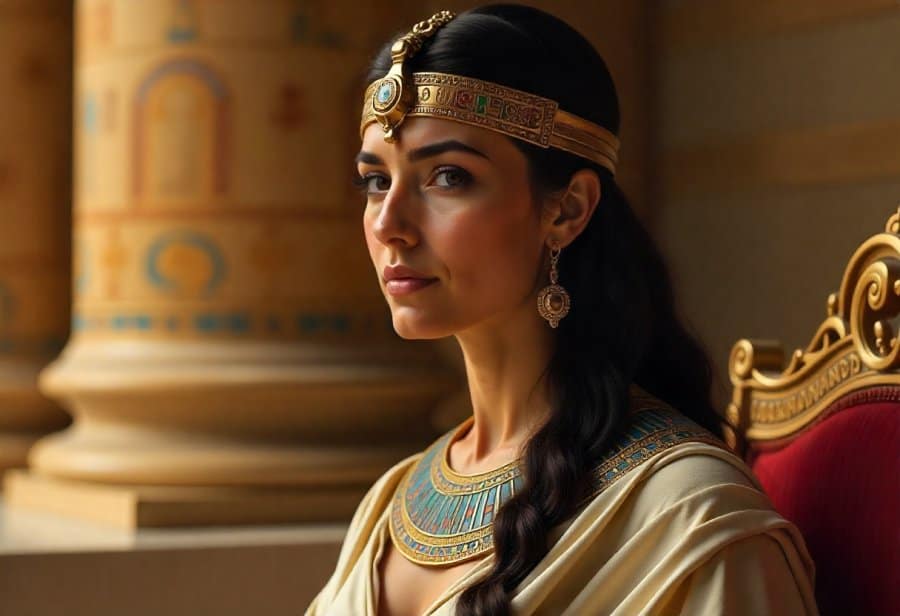
Legacy of Leadership: Lessons in Diplomacy, Resilience, and Innovation
Cleopatra’s leadership reshaped perceptions of female authority and continues to influence how we view effective governance today. She proved that intelligence, resilience, and cultural savvy are as vital as traditional notions of power. Her strategic alliances with Rome’s most influential figures, like Julius Caesar and Mark Antony, weren’t just personal relationships—they were carefully crafted diplomatic moves rooted in her sharp mind and understanding of complex politics. Cleopatra demonstrated that a woman’s influence can be wielded through wit, learning, and strategic thinking, challenging stereotypes and paving the way for future female leaders.
Her legacy also highlights the importance of adaptability in leadership. Cleopatra’s ability to forge alliances, navigate shifting political landscapes, and balance Egyptian tradition with Hellenistic tactics shows that flexibility and cultural intelligence are key to long-term influence. She understood the power of perception and timing, knowing when to assert herself and when to step back, which often determined her survival and success. This nuanced approach to diplomacy remains a vital lesson for leaders facing today’s unpredictable global environment.
Resilience stands out as a core trait Cleopatra exemplified. Despite internal unrest, external threats, and the eventual loss of her kingdom’s independence, she refused to give in. Instead, she turned crises into opportunities, demonstrating that perseverance and mental agility can transform setbacks into stepping stones. Her unwavering commitment to her goals and her ability to adapt her strategies in the face of adversity inspire leaders to stay resilient amid their own challenges, reminding us that persistence often defines legacy.
Continuous learning played a crucial role in her leadership style. Mastery of multiple languages, engagement with sciences, philosophy, and literature weren’t just personal pursuits—they were strategic tools that enhanced her credibility and decision-making. Cleopatra saw knowledge as a strategic resource, and her scholarly pursuits reinforced her authority across diverse cultures. Today’s leaders can draw from her example by valuing ongoing education and curiosity, fostering innovation and informed choices in a rapidly changing world.
Cultural intelligence, vividly demonstrated through her seamless navigation of Egyptian, Greek, and Roman worlds, remains essential for modern leadership. Cleopatra’s ability to respect and understand different perspectives helped her build trust and influence across borders. Her skill in adapting her message to various audiences underscores the power of cultural awareness in fostering collaboration and diplomacy. Leaders who develop this trait can strengthen international relationships and effectively manage diverse teams, much like Cleopatra did in her time.
Her story underscores that true influence stems from mastery of the mind—combining intelligence, resilience, cultural insight, and strategic patience. Cleopatra’s legacy reminds us that superficial attributes are less important than the qualities of adaptability and perseverance. As future leaders face complex challenges, looking to her example can inspire a mindset rooted in continuous learning, cultural understanding, and strategic resilience—traits that remain vital for shaping history and inspiring change.
Timeless Leadership Principles: Insights from Cleopatra’s Reign
Cleopatra’s leadership offers timeless lessons that remain highly relevant today, especially in a world characterized by rapid change and uncertainty. Her ability to adapt swiftly to shifting circumstances highlights the importance of flexibility. Modern leaders can learn from her example by staying open to new ideas and adjusting strategies as situations evolve, rather than rigidly sticking to plans that may no longer serve their goals. This mindset of agility can be the difference between thriving in chaos or falling behind.
Her diplomatic finesse also provides valuable insights. Cleopatra understood that influence hinges on understanding different perspectives and communicating effectively across cultures. Her talent for forging alliances with powerful Roman figures like Julius Caesar and Mark Antony was rooted in her keen insight into human nature and her multilingual skills. Today’s leaders can emulate this by developing cultural intelligence, practicing active listening, and building trust—elements that open doors otherwise closed and foster lasting relationships.
Resilience is another key trait she exemplified. Despite internal unrest, external invasions, and the eventual loss of her kingdom’s independence, Cleopatra refused to give in. Instead, she transformed crises into opportunities for renewal, demonstrating that perseverance and mental toughness often determine long-term success. Leaders facing today’s crises can draw strength from her example, understanding that setbacks are often stepping stones if approached with patience and strategic thinking.
Continuous learning played a crucial role in her ability to lead effectively. Her mastery of multiple languages and engagement with sciences, philosophy, and literature weren’t just personal pursuits—they were strategic tools that enhanced her credibility and decision-making. In an era of rapid technological and cultural shifts, ongoing education and curiosity are vital. Leaders who seek knowledge across disciplines and cultures can make more informed decisions, foster innovation, and adapt more readily to new challenges.
Finally, Cleopatra’s story underscores that true influence stems from mastery of the mind—combining intelligence, cultural insight, resilience, and strategic patience. Her ability to navigate complex political landscapes, build alliances, and maintain her authority through adaptability offers a powerful blueprint. Leaders today who embrace these qualities can not only survive turbulent times but leave a lasting legacy, proving that the most enduring leadership is rooted in mental agility and a willingness to evolve.
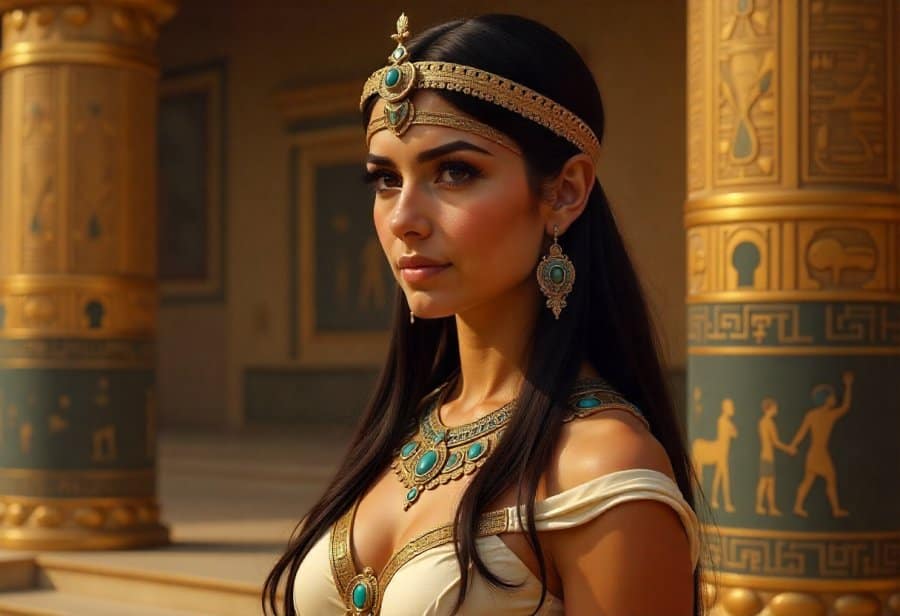
Future Inspiration: Enduring Lessons from Cleopatra’s Influence
Cleopatra’s influence extends far beyond her lifetime, offering a wealth of lessons for today’s leaders navigating a world of constant change and complexity. Her ability to adapt quickly to shifting circumstances highlights the importance of flexibility and mental agility. Leaders who remain open to new ideas and ready to pivot their strategies in response to evolving challenges are better positioned to thrive rather than falter amid uncertainty.
Cultural intelligence stands out as one of her most enduring legacies. Cleopatra mastered multiple languages and understood the nuances of different societies, enabling her to build trust and forge alliances across diverse cultures. In today’s interconnected world, this skill remains vital. Leaders who develop cultural awareness and actively listen can foster collaboration, break down barriers, and navigate international complexities with greater confidence—much like Cleopatra did in her time.
Her resilience in the face of setbacks offers another powerful lesson. Despite internal upheavals and external threats, she refused to give up. Instead, she turned crises into opportunities for renewal, demonstrating that perseverance and strategic patience can transform obstacles into stepping stones. Modern leaders can draw strength from her example, understanding that setbacks are often part of the journey toward lasting impact.
Continuous learning was central to Cleopatra’s effectiveness. Her mastery of languages, sciences, and philosophy wasn’t just personal curiosity; it was a strategic advantage. In a world where knowledge rapidly becomes outdated, a commitment to ongoing education and curiosity allows leaders to stay innovative and make better decisions. Her example encourages us to see learning as a lifelong pursuit that fuels influence and adaptability.
Cultural awareness, vividly demonstrated by Cleopatra, remains crucial today. Her ability to respect and understand different perspectives gave her an edge in diplomacy and influence. Leaders who cultivate this trait can build stronger cross-border relationships and foster inclusive environments. Recognizing the value of diverse viewpoints creates a foundation for collaboration and sustainable success across borders and communities.
Strategic timing and perceptiveness also defined her leadership. Cleopatra knew when to assert herself and when to step back, reading her environment with precision. This patience often determined her survival and influence. Modern leaders can learn that influence is as much about when and how they act as it is about the actions themselves—patience and insight often outweigh impulsiveness.
Her story reminds us that true leadership is rooted in mastery of the mind. Combining intelligence, resilience, cultural insight, and strategic patience, Cleopatra’s legacy shows that influence stems from mental agility rather than superficial attributes. Embracing these qualities enables leaders to leave a lasting mark and shape history, even amid chaos.
Looking ahead, Cleopatra’s example inspires a mindset focused on continuous growth, adaptability, and cultural understanding. In an era of rapid change, her lessons remind leaders to stay curious, remain resilient, and master the art of timing. These traits will remain essential for those aiming to lead with impact and integrity, shaping a future where influence is earned through mind and heart alike.