Imagine transforming daily walks with your dog into peaceful, shared moments of trust and connection. Mastering the art of calm leash walking isn’t just about obedience—it’s about building a bond rooted in mutual respect and understanding. This guide reveals how patience, consistency, and positive reinforcement can turn chaotic pulls and distractions into focused, relaxed walks. From choosing the right equipment to gradually introducing your dog to new environments, each step fosters confidence and calmness. But what about setbacks—pulling, nervousness, or overstimulation? With practical strategies and gentle persistence, these common challenges become opportunities to strengthen your relationship. Are you ready to unlock a more harmonious, enjoyable walking routine that deepens your bond and transforms everyday outings into moments of joy? This journey of calmness and trust promises not just better leash manners but a lifelong connection built on patience, understanding, and shared success.
Transform Your Daily Outings with Calm, Confident Dog Walking
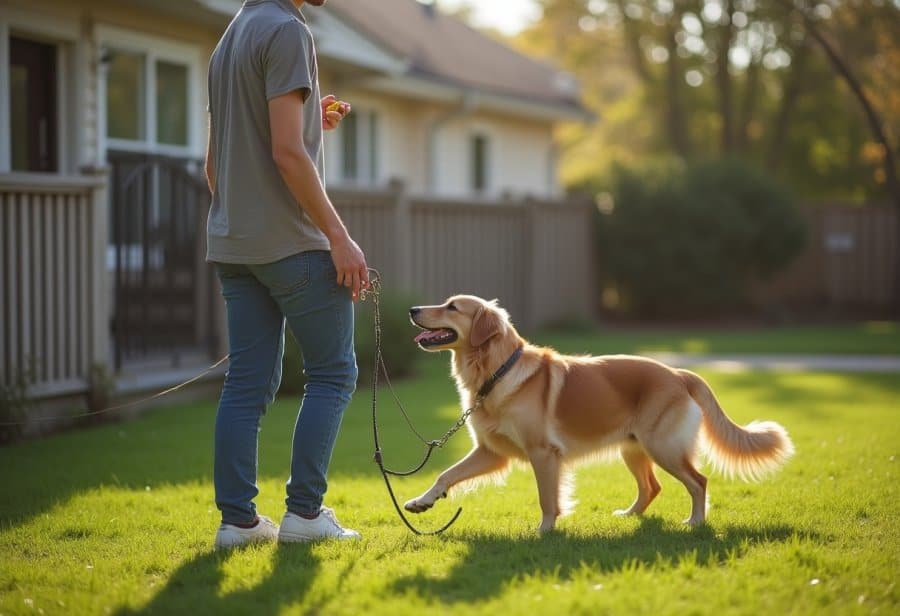
Taking a calm and confident approach to walking your dog can completely transform your daily outings. Instead of feeling frustrated or overwhelmed, you start to see walks as moments of connection and mutual trust. When your dog learns to walk calmly by your side, it’s about more than just obedience—it’s about building a relationship rooted in respect and understanding. These relaxed walks become shared experiences you both look forward to, rather than stressful chores.
Many owners find their walks turn chaotic because of pulling, distractions, or overexcitement. These common issues can make outings less enjoyable and even unsafe. The good news is that with patience and the right techniques, you can teach your dog to stay focused and relaxed. Small, consistent steps—like rewarding calm behavior—help your dog feel secure and attentive during walks, no matter their age or energy level.
This guide aims to show why calm leash walking matters and how you can develop it. Whether you’re working with a puppy or an adult dog, the principles remain the same. Creating routines that reinforce trust and calmness helps your dog associate walks with positive experiences rather than chaos. Over time, your efforts will strengthen your bond and turn daily walks into peaceful, shared moments of success.
Building calm leash manners isn’t about quick fixes; it’s about patience and persistence. When your dog feels safe and understands your cues, they’re more likely to stay relaxed and focused. The rewards are fewer stressors, better focus, and a deeper connection. With consistent practice, your walks can become calm, enjoyable times that deepen your relationship and make every outing a positive experience.
Master the Art of Trust and Understanding in Your Dog
Understanding dog behavior is key to mastering calm leash walking. Dogs are naturally social animals, but their energy levels, instincts, and past experiences shape how they respond during walks. Recognizing signs of excitement, nervousness, or distraction helps you adjust your approach. For example, a dog that pulls or lunges might be overwhelmed or eager, while one that freezes or cowers may be nervous. Paying attention to these cues allows you to tailor your training and build trust gradually.
Positive reinforcement remains the cornerstone of effective leash manners. Reward calm behavior with treats, praise, or play, so your dog associates peaceful walking with positive experiences. Consistent cues and clear body language make expectations easier to understand, helping your dog stay focused and relaxed. When you remain patient and predictable, your dog learns to mirror your calmness, creating a sense of safety and security.
Creating a calm environment for training is equally important. Start in quiet, familiar spaces free of distractions, giving your dog confidence before gradually introducing more stimuli. Building this foundation helps your dog feel secure and attentive, setting the stage for more advanced training. As confidence grows, you can slowly expose your dog to busier settings, always reinforcing calm and focus.
Training methods have shifted away from dominance-based corrections toward humane, trust-building techniques. Equipment like front-clip harnesses and clicker training support this approach, making training less stressful and more effective. Recognizing each dog’s temperament and customizing your methods ensures steady progress and deepens your bond.
Ultimately, calm leash walking is about nurturing confidence and communication. It’s a gradual process that requires patience, consistency, and understanding. When these elements come together, they lay the groundwork for a trusting, focused partnership—transforming daily walks from stressful routines into shared moments of connection and joy.
Build a Strong Foundation for Peaceful Leash Manners
Successful calm dog walking hinges on a combination of well-aligned factors that work together to create a smooth, controlled experience. First, effective training methods like positive reinforcement are essential; when dogs learn that calm walking earns treats, praise, or play, they start to see peaceful leash manners as rewarding rather than restrictive. This encourages voluntary focus and makes relaxed walking a desirable behavior.
Using the right equipment can also significantly improve the walk. Front-clip harnesses or head collars help reduce pulling without causing discomfort, giving you better control and your dog a sense of security. Pairing these tools with consistent routines reinforces the idea that staying focused and relaxed is the best way to get praise and rewards. The environment matters too—starting in quiet, familiar spaces helps your dog build confidence before gradually facing more stimulating settings.
Consistency is the backbone of good leash manners. Regular practice with the same cues, routines, and rewards helps your dog understand what’s expected. When good behavior is reinforced consistently, it becomes second nature. Your own calm demeanor influences your dog’s behavior—staying patient, clear, and relaxed encourages your dog to mirror that calmness, fostering a sense of safety.
Every element—training techniques, equipment choices, environment management, and your attitude—supports the development of a calm, focused walk. When these components align, they create a strong foundation for ongoing progress. The result isn’t just better leash manners but a deeper bond rooted in trust and mutual understanding. As you refine these practices, peaceful walks become a natural part of your daily routine, transforming both your experience and your dog’s.
Turn Training Techniques into Everyday Success
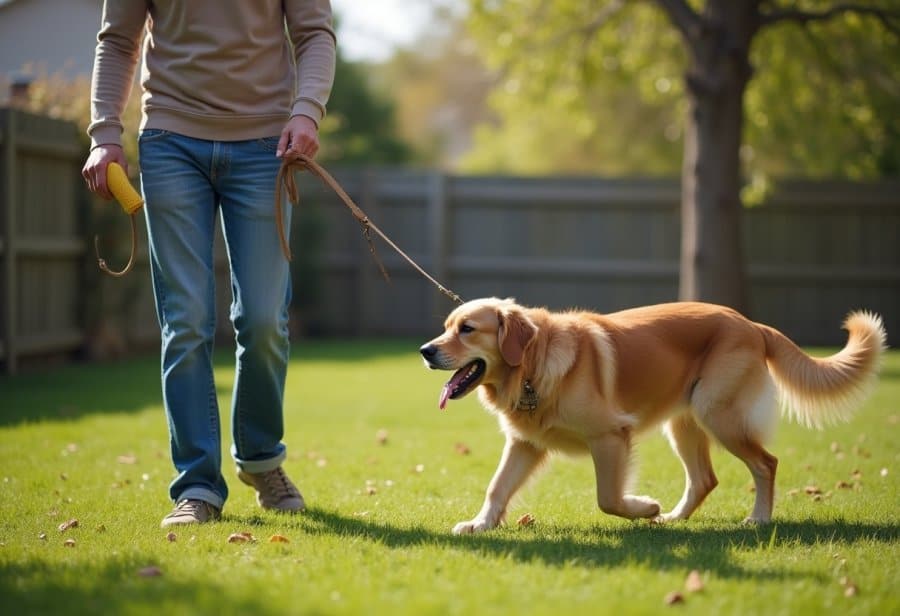
Implementing calm walking techniques into your daily routine starts with establishing a consistent and simple routine. Begin each walk in a familiar, quiet space where your dog can focus on you without too many distractions. Use a steady cue like “let’s go” and keep your posture relaxed. When your dog walks beside you without pulling or getting distracted, reward them immediately with treats or praise. This positive reinforcement helps your dog associate calm behavior with good things, encouraging them to repeat it.
Start with short sessions, around five to ten minutes, and gradually increase the duration as your dog gains confidence and focus. Practice regularly in the same environment so your dog becomes familiar with the routine. Once they respond reliably in a calm setting, slowly introduce mild distractions—perhaps a different route or a busier park—while continuing to reward calmness and attention. Your tone and body language should stay calm; your dog will mirror your energy, reinforcing the desired behaviors.
Using the right equipment, like a front-clip harness or a head collar, can make a big difference. These tools help reduce pulling and give you better control, making training smoother and more effective. When your dog pulls or gets distracted, gently redirect their attention with a cue or a quick pause, then reward them when they respond correctly. Consistency in this approach creates a predictable and secure environment for your dog.
As your dog’s skills improve, practice in different environments to reinforce their focus. Indoor spaces, quiet yards, and gradually busier streets help your dog learn to stay calm regardless of surroundings. Always reward their focus and calmness, and maintain a patient, confident attitude. These small, steady steps turn peaceful leash walking from a goal into a reliable daily habit.
Expect setbacks along the way—this is normal. When your dog pulls or gets distracted, calmly return to basics: shorter walks or less stimulating settings—to rebuild their confidence. Patience and consistency are your best tools. Over time, these routines will make peaceful leash walking an integral part of your bond, transforming daily walks into shared moments of success and connection.
Invest Wisely: Equipment, Classes, and Ongoing Support
Training a dog to walk calmly on a leash involves some financial considerations that pet owners should plan for early on. Basic equipment like harnesses, leashes, and treats are essential tools, and investing in quality gear can make a noticeable difference. A well-designed front-clip harness, for example, typically costs between $15 and $40 and helps reduce pulling while ensuring your dog’s comfort. Choosing the right equipment from the start can streamline training and make daily walks more manageable.
If you opt for professional guidance, enrolling in dog training classes or working with a trainer can add to your expenses. Prices vary depending on location and the trainer’s experience but generally range from $100 to $300 for a series of sessions. These classes provide personalized feedback and help you learn effective techniques to reinforce calm leash manners at home, accelerating your progress.
Additional tools like clickers or head collars are popular among owners aiming for gentle, effective training. These usually cost between $10 and $25 and can address specific issues like pulling or distraction. Incorporating these aids into your routine often makes training smoother and more enjoyable for both you and your dog. Treats, an ongoing expense, are vital for positive reinforcement and can range in cost depending on quality and quantity.
While the initial costs might seem significant, they are an investment in your dog’s behavior and your shared happiness. Proper equipment and professional support lay a strong foundation for peaceful leash routines, which can save you time, reduce stress, and prevent costly behavioral problems down the line. Budgeting for these expenses upfront ensures you’re prepared to support your dog’s training journey without surprises.
Seeing training as a worthwhile investment rather than just an expense can motivate you to make thoughtful choices. Small, strategic purchases—like a quality harness or a few training sessions—pay off by creating a calmer, more focused walking experience. With the right tools and guidance in place, achieving calm, confident leash walking becomes a realistic goal that enhances your bond and makes everyday outings more enjoyable.
Plan Your Path to Calm Leash Walking Step by Step
Starting your journey toward calm leash walking begins with setting a clear, realistic plan. Define specific goals—like walking without pulling for five minutes or maintaining focus amid mild distractions—and break them into manageable steps. This approach makes progress feel achievable and helps prevent frustration. Begin in familiar, quiet environments where your dog can learn routines without overwhelming stimuli, establishing a foundation of trust and confidence.
Tracking your progress is key to staying motivated. Use a training journal or app to note daily successes and setbacks, which allows you to adjust your methods and celebrate small wins. Consistency is crucial; practice at the same times and places to reinforce routines that your dog can rely on. Establishing predictable cues, rewards, and routines creates a sense of safety, helping your dog understand what’s expected during each walk.
As confidence grows, gradually introduce more challenging environments—busier streets, parks, or new routes—while maintaining your routine. Reward your dog for remaining calm and focused, reinforcing that good behavior is always appreciated. Remember, patience is essential; rushing this process can cause setbacks. Every dog learns at their own pace, so focus on steady progress rather than perfection.
Prepare for setbacks—they’re part of the process. When your dog pulls or becomes distracted, calmly redirect their attention and reinforce the desired behavior. Returning to earlier, simpler steps can help rebuild confidence and re-establish focus. Consistency, patience, and gentle persistence turn setbacks into opportunities for growth.
Consider seeking support from professional trainers or training groups if progress stalls. Expert guidance can offer tailored strategies to address specific challenges, making your training more effective. Their insights can turn moments of frustration into valuable learning experiences for both of you.
Developing a long-term plan involves flexibility. Adjust your goals based on your dog’s progress and comfort level, celebrating small victories along the way. Keep your routines enjoyable and avoid pressure—this fosters a positive attitude toward training. Over time, these routines become second nature, transforming peaceful leash walking into a daily habit that deepens your bond.
Stay committed, and remember that patience and consistency are your best tools. By taking steady, deliberate steps, you build a foundation of trust and calmness that can last a lifetime. Each walk becomes an opportunity to reinforce your connection, turning training into a shared journey of mutual respect and joy.
Overcome Common Challenges and Celebrate Progress
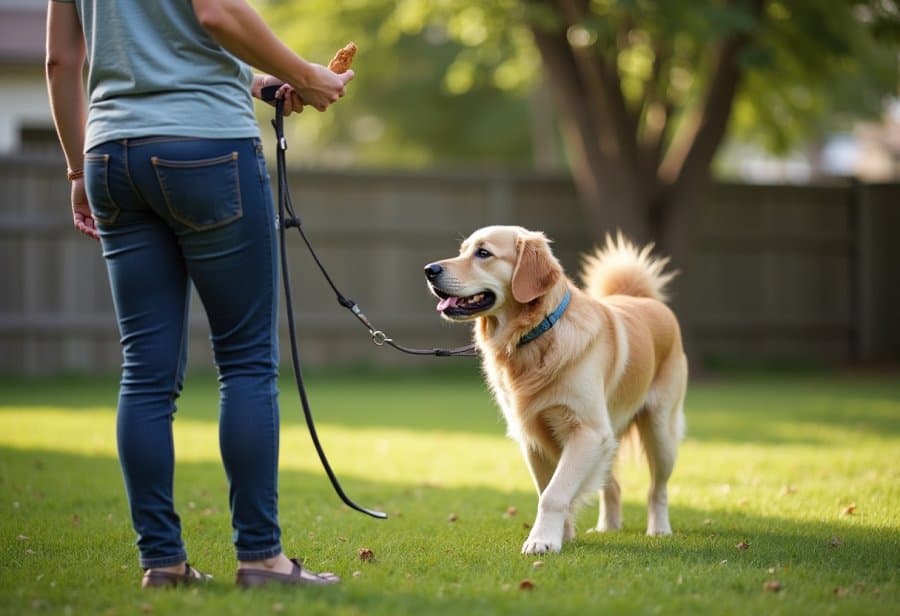
Training a dog to walk calmly on a leash can sometimes feel like a constant challenge, but knowing what issues are common and how to handle them makes a big difference. Pulling is one of the most frequent problems, often caused by excitement or a lack of training. When your dog pulls, walks become stressful and can even be unsafe. Using a front-clip harness or pausing briefly when pulling can help redirect their focus and teach that pulling doesn’t get them where they want to go.
Distractions like other dogs, people, or loud noises are natural but can easily throw your dog off course. The key is to expose your dog gradually to these stimuli in controlled settings, rewarding their focus and calmness each time. This slow exposure builds confidence, helping your dog learn to stay with you instead of rushing after every distraction. Patience is crucial; rushing into busy parks or streets too soon can overwhelm them and cause setbacks.
Anxiety and nervousness are common hurdles, especially in unfamiliar environments. Dogs that are anxious might freeze, cower, or tense up, making walks less enjoyable. Gentle exposure paired with lots of reassurance and positive reinforcement helps build their trust and confidence. If your dog becomes overwhelmed, take a step back to a quieter spot and reintroduce stimuli gradually.
Setbacks happen, and that’s normal. When progress stalls, reassess your approach and don’t get discouraged. Returning to basics—shorter walks or fewer distractions—can help rebuild your dog’s confidence. Consistency and calmness from you are your best tools for overcoming these hurdles. If challenges persist, seeking help from a professional trainer or behaviorist can provide tailored strategies to turn frustration into progress.
Every obstacle is an opportunity to strengthen your bond. With patience, flexibility, and steady effort, you can navigate setbacks and create a calmer, more focused walking routine. These moments of difficulty are part of the learning process, helping your dog develop trust and understanding. Over time, what once seemed like insurmountable issues become manageable steps toward peaceful, joyful walks.