Underground street racing is more than just a pursuit of speed; it’s a clandestine culture forged on loyalty, craftsmanship, and brotherhood. These secret gatherings in abandoned zones and quiet backstreets symbolize a rebellion against societal constraints, where racers bond over shared risks, custom cars, and unspoken codes of trust. The scene’s strength lies in its resilience—adapting to police crackdowns through encrypted communication and innovative technology—while maintaining its core values of loyalty and independence. As the future unfolds with eco-friendly modifications and digital advancements, the question arises: can this fiercely loyal community sustain its rebellious spirit amid increasing surveillance? Will the bonds of brotherhood and the thrill of high-stakes racing survive the shifting landscape of legality and safety? Despite these challenges, underground racing’s enduring allure promises a relentless pursuit of freedom and camaraderie that refuses to fade into the shadows.
Unearthing the Thriving Underground Racing Scene
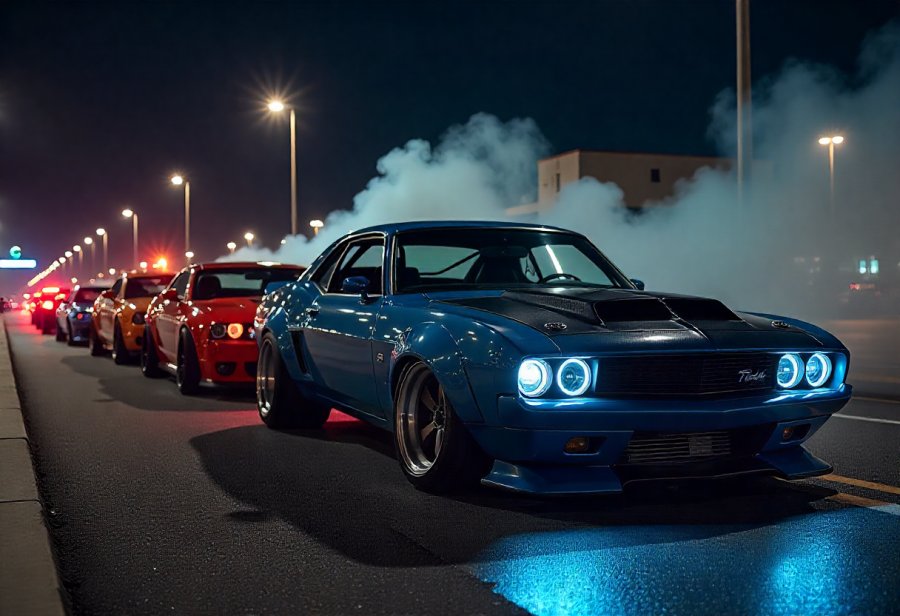
Underground street racing isn’t just about the thrill of high-speed runs; it’s a vibrant subculture built on rebellion, craftsmanship, and a shared sense of identity. These clandestine meets take place in hidden locations—abandoned lots, quiet backstreets, and forgotten industrial zones—far from the watchful eyes of authorities. Racers gather here to push their cars to the limit, fueled by adrenaline and a desire to escape societal norms. Over time, this scene has grown beyond individual meets into a global network of enthusiasts who speak a common language of modified cars, secret meeting spots, and unspoken codes of loyalty.
The roots of street racing trace back to the late 20th century, when urban car culture expanded rapidly. Young drivers eager to test their skills outside legal boundaries began organizing spontaneous races, often driven by muscle cars, tuners, and a need for self-expression. These early gatherings thrived on adrenaline and defiance, creating a tight-knit community that shared tips, tricks, and stories—bonding over more than just speed. It became a way for participants to carve out their own space, free from societal oversight, where craftsmanship and daring took center stage.
At its core, underground racing is about more than winning; it’s about forging a sense of belonging and independence. Racers see their cars as extensions of themselves—symbols of dedication, creativity, and loyalty. The scene fosters a brotherhood rooted in trust, where loyalty and discretion are paramount. Sharing secrets about meeting spots, modifications, and race tactics helps maintain the tight bonds that keep the community thriving despite constant threats of police crackdowns and societal disapproval.
This social dynamic extends beyond just the races. It’s woven into the daily lives of participants, who rely on each other for safety, advice, and support. Late-night meets become rituals, where strangers turn into brothers through shared stories and collective effort. Whether tuning cars together or exchanging parts, these moments of collaboration deepen friendships and reinforce a collective identity. Cars become more than vehicles; they’re symbols of loyalty and craftsmanship, representing the commitment of everyone involved.
Loyalty and trust are the foundation of this underground scene. Racers depend on each other’s discretion, knowing that a single breach could mean exposure or worse. Crews operate like families, supporting members through personal struggles and celebrating each other’s successes. This sense of kinship ensures that, despite the risks, the culture remains resilient. The bonds formed behind the wheel aren’t fleeting—they’re lifelong, built on shared risks, adrenaline, and mutual respect.
Despite its illegal status, underground racing continues to thrive because of its powerful allure—freedom, adrenaline, and a sense of belonging. Racers adapt quickly, using encrypted communication and discreet locations to stay ahead of law enforcement. The scene’s resilience lies in its ability to evolve, embracing new technology and strategies while holding onto its core values. It’s a culture that refuses to fade, driven by the unbreakable bonds of brotherhood and a relentless passion for speed.
The Brotherhood Forged Behind the Wheel
Underground street racing isn’t just about the rush of speed; it’s about the deep bonds that develop behind the wheel. Racers often form relationships rooted in trust, loyalty, and shared experience—connections that grow stronger with every late-night meet, close call, and adrenaline-fueled victory. These relationships become a kind of family, where knowing each other’s skills, character, and intentions is just as important as how fast they can go. In this world, brotherhood isn’t just a metaphor; it’s a core value that binds everyone together.
Loyalty and trust are the backbone of the scene. Racers depend on each other’s discretion—keeping secrets about meeting spots, modifications, and race tactics—to avoid exposing themselves to legal trouble or danger. Within crews, members watch out for one another, offering safety, advice, and support beyond the races. This mutual reliance creates a sense of security amid the risks of illegal street racing, making the bonds more resilient than most realize. When engines roar and lights flash, it’s this unspoken trust that keeps the entire community united.
Late-night meets are more than just races—they’re rituals that reinforce these connections. As the city falls silent, racers gather in hidden spots, sharing stories, techniques, and encouragement. These moments of camaraderie turn strangers into brothers and sisters, trusting each other with their lives and their rides. The darkness amplifies the sense of kinship, with every narrow escape and hard-won victory adding to a shared history that’s built on adrenaline, respect, and loyalty. It’s in these moments that the true strength of the brotherhood shows itself.
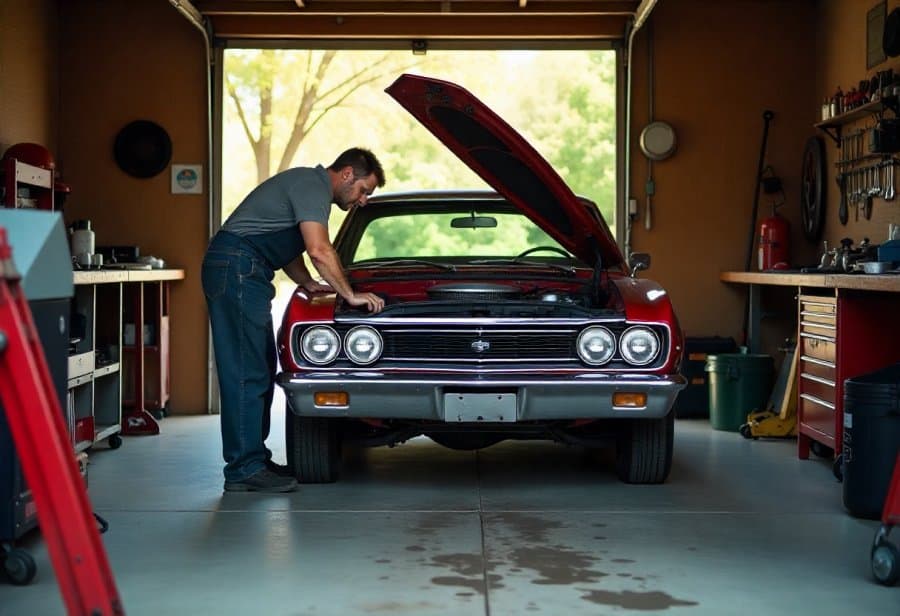
Car culture plays a vital role in cementing these relationships. Hours are spent tuning, customizing, and upgrading vehicles—acts of dedication that symbolize loyalty and identity. Sharing tips, swapping parts, and troubleshooting problems aren’t just about performance; they’re acts of commitment that deepen friendships. Building a modified car becomes a badge of honor, a symbol of belonging that ties friends and crews together through a shared love of speed and craftsmanship.
The trust cultivated through these shared efforts extends beyond the garage. Drivers learn to rely on each other’s instincts and skills, knowing everyone is pushing their limits for the scene’s integrity. Whether it’s a close call or a hard-fought win, these experiences foster a sense of loyalty rooted in high-octane brotherhood. Over time, rivalries often evolve into lifelong bonds, all driven by a mutual respect that underpins the entire culture.
At its core, underground racing is about more than just speed—it’s about forging genuine relationships based on loyalty, respect, and shared risks. These bonds are the engine that keeps the scene alive, resilient, and fiercely loyal to its roots. Even in the shadows, the brotherhood persists, fueled by a collective passion that turns fleeting moments into lifelong connections.
Living the Culture in Action
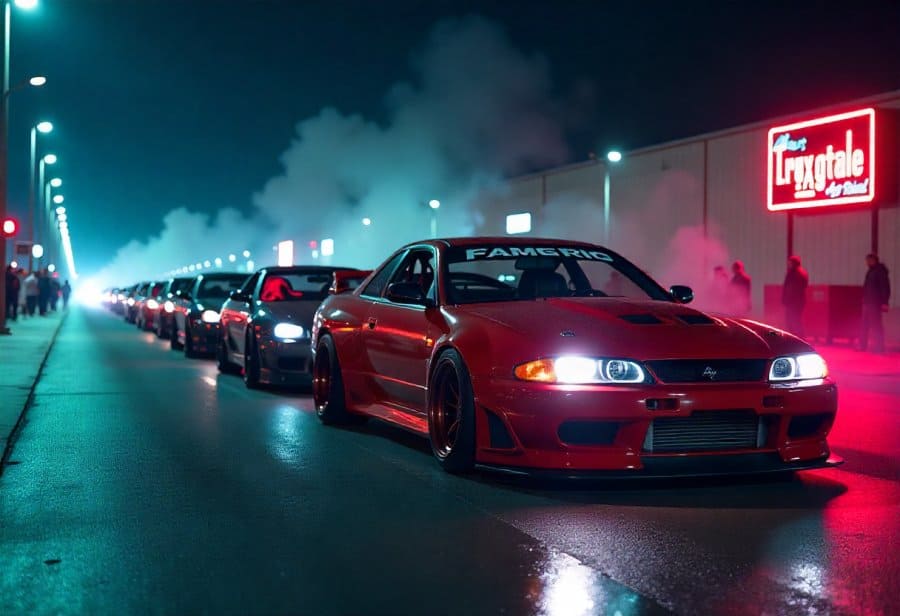
Underground street racing operates mostly behind closed doors, built on a foundation of trust and secrecy. Racers rely heavily on online forums, encrypted messaging apps, and word-of-mouth to organize their meets, carefully selecting locations that offer long stretches of deserted roads or abandoned lots. These spots—often industrial zones or quiet backstreets—are chosen for their minimal surveillance and the freedom they provide for quick, spontaneous races. This careful planning helps keep the scene hidden from law enforcement while maintaining the adrenaline-fueled thrill of the race.
Trust and discretion are at the core of how these races happen day-to-day. Racers share intelligence about the best times, safe routes, and discreet meeting points, forming a tight-knit network that’s difficult for outsiders to penetrate. Protecting these secrets isn’t just about avoiding legal trouble; it’s about preserving the integrity of the brotherhood. Disclosing too much or careless online chatter can jeopardize entire crews, so loyalty and caution are woven into every interaction, ensuring the scene’s survival amid police crackdowns and societal disapproval.
Despite its illegal nature, underground racing fosters a strong sense of community. Many see these clandestine meets as rituals that reinforce bonds and shared values. Hours are spent tuning and customizing cars—collective acts of loyalty that turn modifications into symbols of identity. Sharing tips, swapping parts, and collaborating on builds deepen friendships and create a sense of collective pride. These moments of teamwork and dedication transform vehicles into badges of commitment, strengthening the ties that hold the scene together.
Races themselves are quick and intense, often organized with little warning to stay ahead of law enforcement. Drivers line up at the starting line, engines revving in anticipation, while crews and spectators watch from a safe distance. These sprints usually last just seconds, with cars exploding into the night, leaving behind a blur of speed and smoke. The real connection, however, happens in the moments before and after the race—where stories are shared, strategies discussed, and camaraderie built amid the thrill of danger and adrenaline.
Safety takes a backseat to secrecy and excitement. Participants might wear helmets or safety gear when possible, but the risks—imperfect roads, unpredictable drivers, and the constant threat of police—are ever-present. To stay ahead, racers develop new strategies, relocate meets, and adapt quickly to shifting circumstances. This resilience and adaptability are what keep the scene alive, even as crackdowns tighten and the authorities crack down harder. The culture’s survival depends on its ability to innovate while holding onto the core values of loyalty, brotherhood, and passion for speed.
Beyond the races, the scene impacts local communities in complex ways. On one hand, it drives small economic activity—supporting auto shops, aftermarket parts retailers, and custom garages. On the other, neighbors often complain about noise, reckless driving, and disorder, creating tension with authorities. Still, the passion for racing persists because it offers a sense of control, pride, and belonging that many can’t find elsewhere. As long as streets remain accessible and cars are customizable, underground racing will adapt and endure—driven by the unbreakable bonds and rebellious spirit that define its very essence.
Voices from Participants and Observers
Participants in underground street racing describe it as more than just a adrenaline rush; for many, it’s a second family. They speak of late-night meets where trust and loyalty form the foundation of everything. These moments of shared risk and triumph forge bonds that feel nearly unbreakable, rooted in understanding and mutual respect. Drivers often recount feeling a profound sense of belonging among people who truly get the thrill of pushing limits and the sacrifices involved. It’s a community built on shared passion, where every member’s skill and dedication are recognized and valued.
Observers often highlight the surprising respect that exists among racers, despite the illegal nature of their activities. Many note that racers see each other not just as rivals but as part of a brotherhood that depends on unwavering trust. Betrayal can threaten the entire scene, so loyalty is tightly upheld, and discretion is second nature. This mutual reliance creates a resilient network where safety, advice, and support extend beyond the racing itself, reinforcing the bonds that keep the culture alive amid constant external pressures.
For those involved, underground racing provides more than excitement; it offers a sense of control and purpose that’s often missing from daily life. Stories of pride in their skills and their rides are common, with sharing tips and exchanging parts acting as acts of loyalty. These collaborative efforts turn cars into symbols of identity and allegiance, transforming individual builds into collective achievements. Friendships formed through these shared endeavors often last a lifetime, cemented by a common love for speed, craftsmanship, and the unspoken codes of loyalty.
Trust is the cornerstone of these relationships. Disclosing meeting spots or race plans to outsiders can threaten safety and community integrity, so secrecy is essential. Racers develop a culture of discretion, where protecting each other’s secrets ensures their continued freedom to race. This shared understanding fosters a sense of security and belonging, making the brotherhood stronger and more enduring, even as law enforcement intensifies its crackdown.
The adrenaline-fueled moments behind the wheel turn competitors into a close-knit family. Drivers learn to rely on each other’s instincts and skills, knowing everyone is pushing their limits for the scene’s survival. Whether narrowly escaping police or celebrating a hard-fought victory, these shared experiences deepen bonds rooted in loyalty and high-octane brotherhood. Over time, rivalries often evolve into lifelong friendships, driven by mutual respect and a collective passion that keeps the scene vibrant.
Car culture plays a vital role in cementing these relationships. Hours spent tuning, customizing, and upgrading vehicles aren’t just about performance—they’re acts of dedication and loyalty. Sharing knowledge, swapping parts, and troubleshooting problems strengthen friendships, turning cars into symbols of belonging. Building a modified vehicle becomes a badge of honor, a testament to commitment that binds friends and crews through a shared pursuit.
All these elements show that underground street racing is about more than speed; it’s about building genuine relationships based on loyalty, respect, and shared risks. These bonds form the engine of the scene’s resilience, ensuring it persists despite legal threats. In the shadows, the brotherhood remains strong, fueled by a collective passion and unbreakable trust that keeps the culture thriving.
The Shaping Future of Underground Street Racing
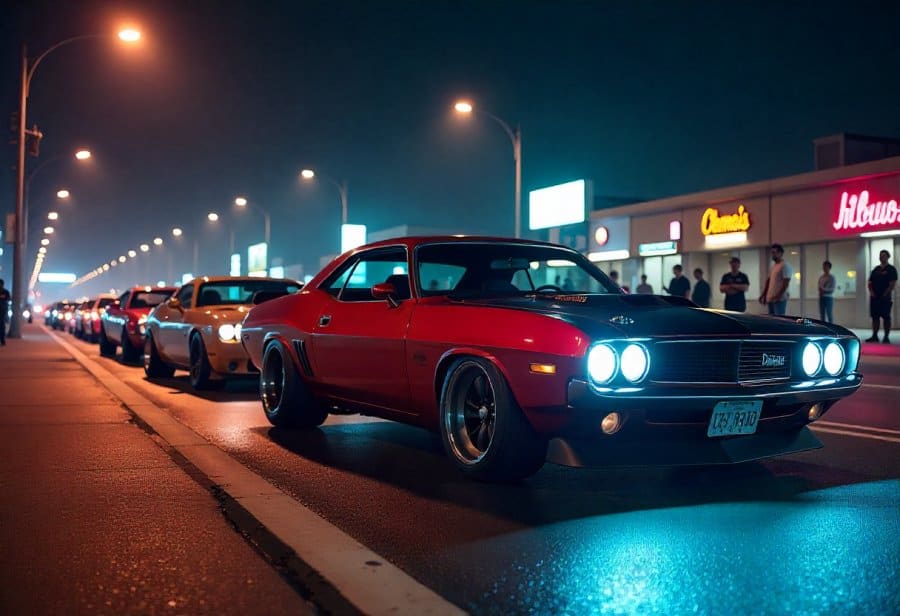
The future of underground street racing is set to be shaped by rapid technological advances that both challenge and strengthen the scene. As digital tools become more sophisticated, racers are finding new ways to organize, communicate, and stay hidden, often using encrypted messaging apps, GPS masking, and burner devices. This push toward greater secrecy makes clandestine meets more elusive but also drives innovation, encouraging racers to develop smarter, more discreet methods to evade law enforcement.
Simultaneously, the scene is beginning to evolve with environmental consciousness. Electric vehicles and eco-friendly modifications are gaining traction, blending the raw adrenaline of street racing with sustainability efforts. Electric cars, with their instant torque and silent acceleration, offer new styles of racing that appeal to a broader audience while maintaining the thrill of high performance. This shift not only broadens participation but also signals a potential for the scene to adapt without losing its rebellious spirit.
Despite these changes, the core values remain intact. Brotherhood, loyalty, and a shared passion for speed continue to define the culture. Many enthusiasts see technological innovations as a way to safeguard the scene’s longevity, ensuring that it evolves while holding onto its traditional bonds. However, increased surveillance and stricter crackdowns mean racers must be even more resourceful, often relocating meets and developing new strategies to stay ahead of authorities. This ongoing cat-and-mouse game keeps the scene unpredictable and dynamic.
There’s also a growing interest in creating safer spaces for racing. Some communities are exploring designated racing zones or legal events that mimic the underground vibe but offer controlled environments. Law enforcement and local authorities are starting to recognize the cultural importance of the scene and are looking for ways to engage positively, promoting responsible driving and community outreach. These initiatives could help redirect some of the passion into safer outlets, helping to preserve the community while reducing risks.
As street racing continues to adapt, its resilience depends on balancing tradition with innovation. The scene’s ability to incorporate new technology, embrace changing societal norms, and develop legal alternatives will determine its longevity. The unbreakable bonds of brotherhood and shared loyalty will remain at the heart of this evolution, fueling its persistence in the face of external pressures.
Even as the physical streets become harder to access or more heavily surveilled, the spirit of underground racing is unlikely to fade completely. Instead, it will morph into new forms—whether through virtual meetups, sanctioned events, or underground circuits that push the limits of legality and safety. The culture’s strength lies in its adaptability, ensuring that the sense of kinship and rebellion endures beyond the shadows.
What’s clear is that underground street racing will continue to be a symbol of independence and craftsmanship, even as it evolves. The scene’s future hinges on innovation, discretion, and a shared love of speed. As long as cars and streets exist, the bonds forged through high-octane brotherhood will persist, fueling a culture that refuses to be extinguished. It’s a testament to the enduring power of loyalty, community, and the relentless pursuit of adrenaline-fueled freedom.